
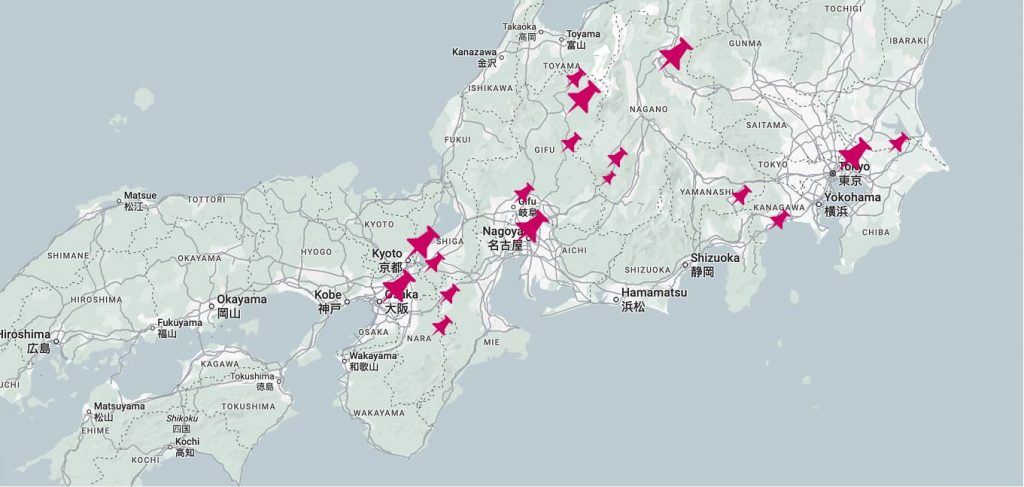
In this post we cover: Tokyo, Odawara, Hakone, Nagano, Takayama, Hida, Gero, Gifu, Magome, Nagoya, Kyoto, Uji, Nara, Koya, Osaka.
I arrived in Japan in November, a quiet season with no tourists around but only life unfolding as usual and where the country gets ready for the cold winter but the colours of autumns are still all around you.
I want to share what I learnt with you reader as I travelled slowly across this part of Japan starting from Tokyo southwest and inland through the Japan Alps before descending to the ancient capitals of Kyoto, Nara and departing from Osaka. I came back with a refreshed sense of what architecture means, how it reflects the relationship between space and time, between material and spirit, between the building and the landscapes it inhabits. And with a deep gratitude for Japan and its inhabitants.
Starting out in TOKYO
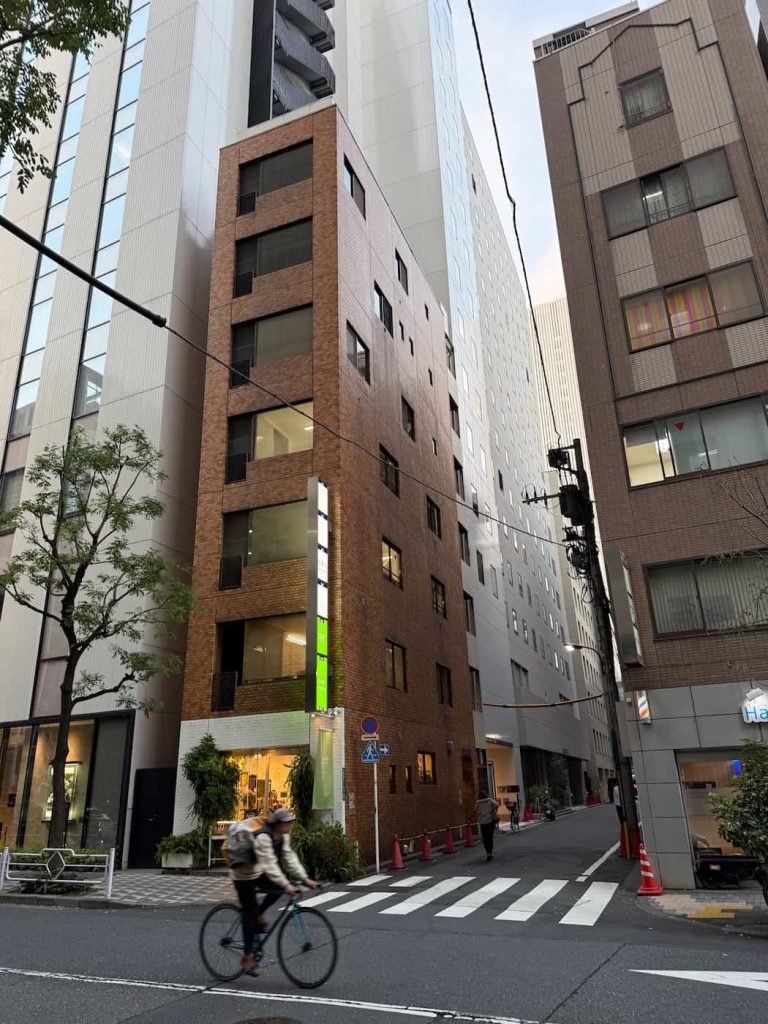
Tokyo is not a historic city in the European sense, it has been rebuilt so many times by earthquake, fire, and firebombing, that its surviving traditional fabric is scattered rather than concentrated. But that is precisely what makes it architecturally fascinating: it is a city in permanent dialogue between old and new, between tradition and invention, between intimacy and scale. The population of 37 million inhabits a metropolitan area that functions simultaneously as a global city and as a collection of distinct village-scale neighbourhoods, each with its own character, shrine, and shopping street.
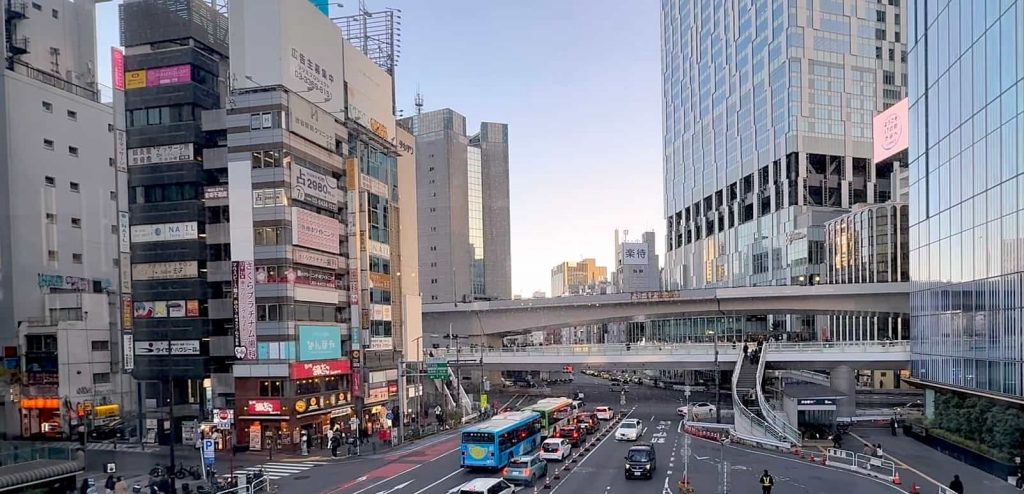
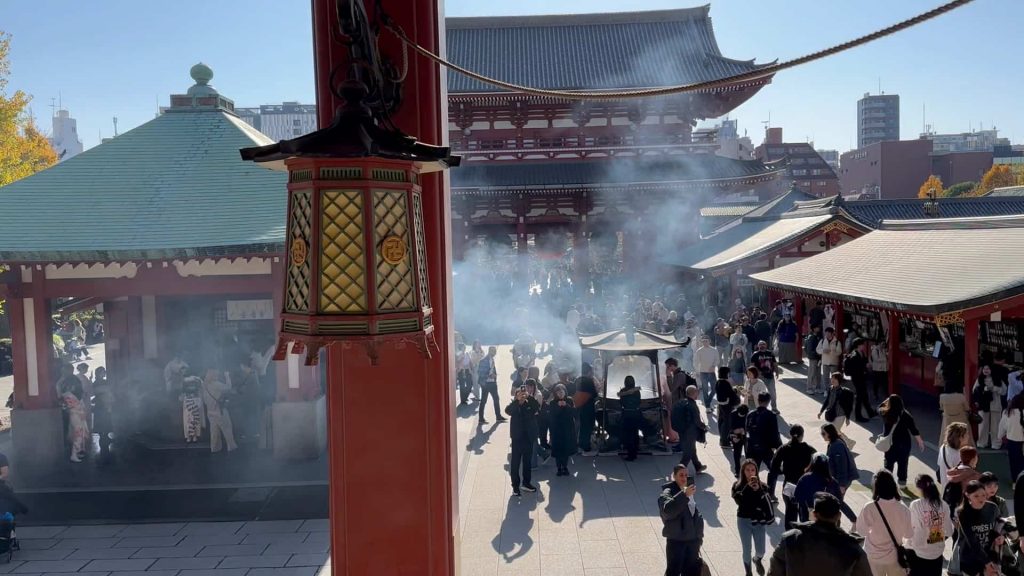
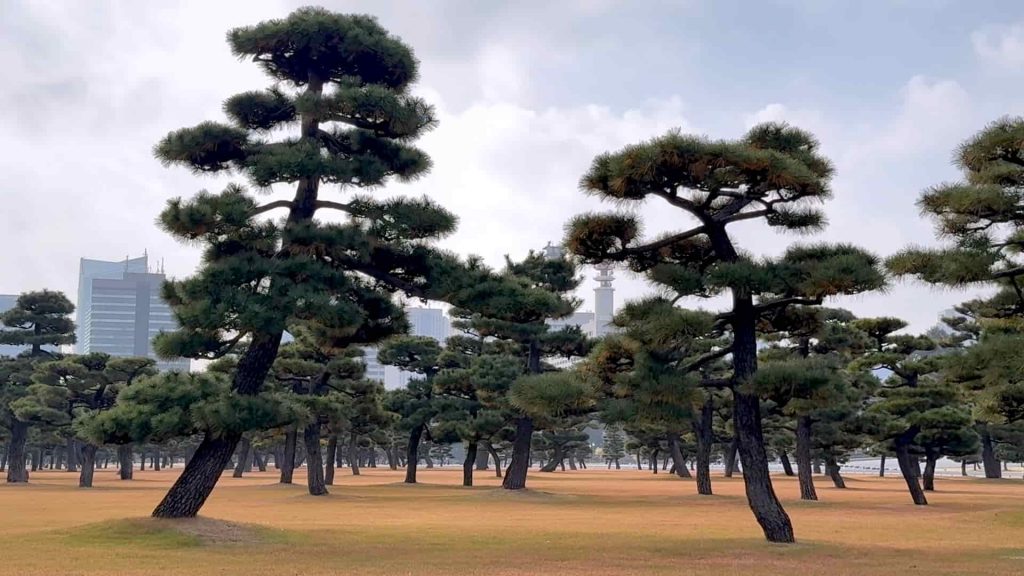
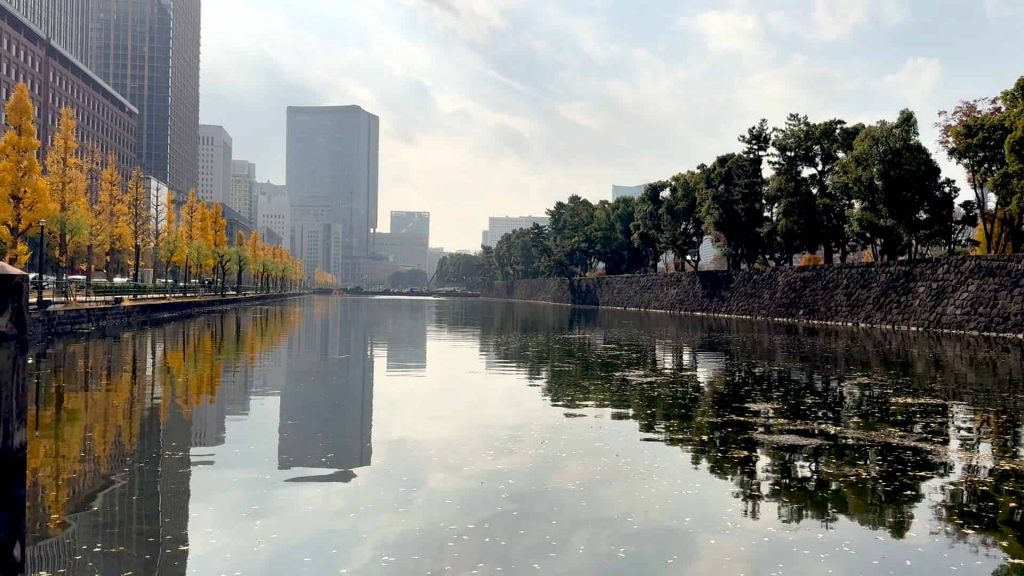
Tokyo’s most significant traditional architecture is found in its shrines and temples rather than its domestic fabric. The great compound of Senso-ji in Asakusa, founded in the 7th century, is one of the most visited Buddhist temples in the world. Its Nakamise-dōri lined up with market stalls, its Kaminarimon (Thunder Gate) hung with an enormous red lantern, its main hall rebuilt after wartime bombing in reinforced concrete but retaining all the formal qualities of Edo period Buddhist architecture.
Less spectacular but arguably more atmospheric is the neighbourhood fabric of Yanaka, one of the few areas of Tokyo that escaped the firebombing, where a dense network of old temples, wooden houses, and traditional shops gives a sense of what much of the city must once have looked like. The Meiji Jingū shrine in Harajuku is perhaps the finest Shinto architectural space in Tokyo: a vast cedar forest precinct of almost primordial quality, with a massive wooden torii of extraordinary scale. The approach through the forest, a 10-minute walk of gradually increasing enclosure and silence, is one of the best examples of Shinto spatial choreography.
Suggested
Walk from Harajuku to Asakusa and notice the grain of the city changing as you go. Hire a bicycle and ride through Yanaka in the early morning. Visit the Edo-Tokyo Open Air Architectural Museum in Koganei Park, an open-air museum of transplanted historical buildings from across Tokyo and Japan, including a beautiful Meiji-period bathhouse, merchant houses, and vernacular structures. See Senso-ji at dawn, before the crowds arrive.
For contemporary architecture, spend an afternoon in Omotesandō viewing Herzog & de Meuron’s Prada store, Dior flagship store in Omotesandō by SANAA’s buildings, Kengo Kuma and Tadao Andō’s works along the boulevard.
ODAWARA The gateway castle
Odawara sits at the southwestern edge of Greater Tokyo, an hour from Shinjuku by Odakyū express, at the foot of the Hakone mountains on the Tōkaidō, the old coastal highway connecting Edo to Kyoto. It was strategically critical for centuries, whoever held Odawara held the gateway to the Kantō plain and its castle reflects that importance.
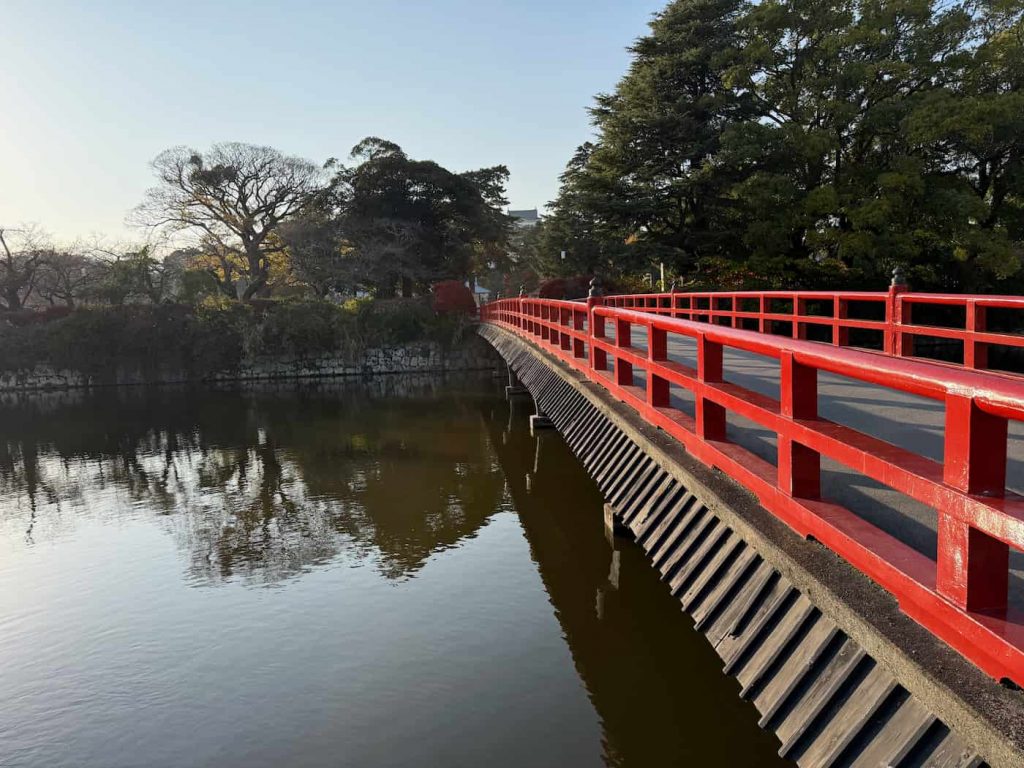
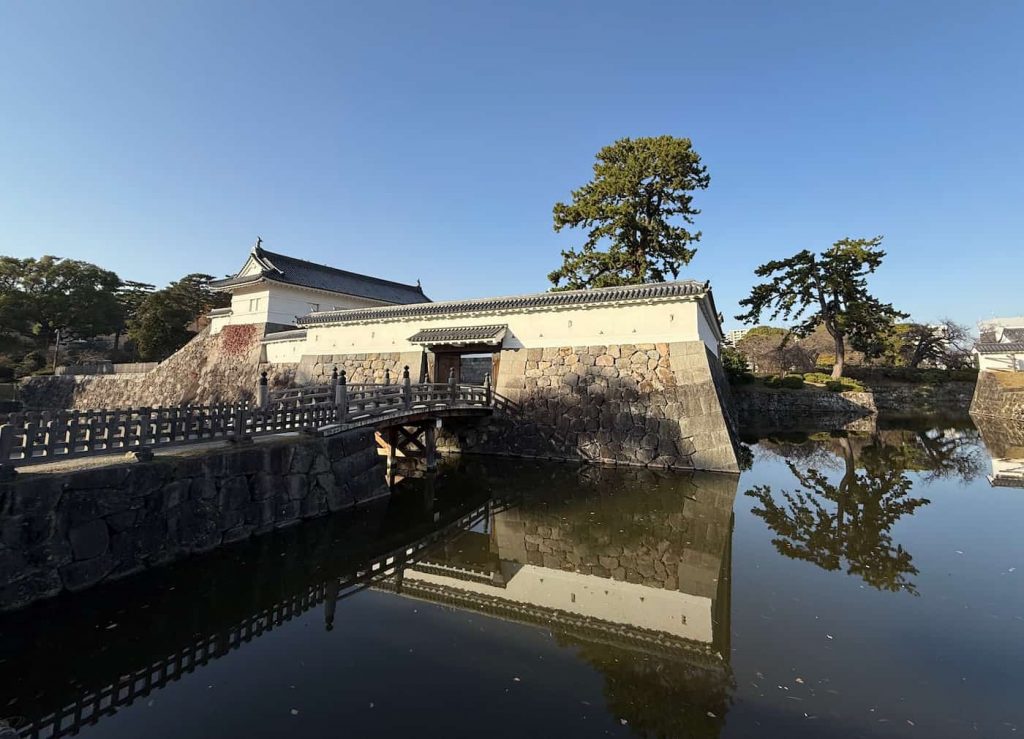
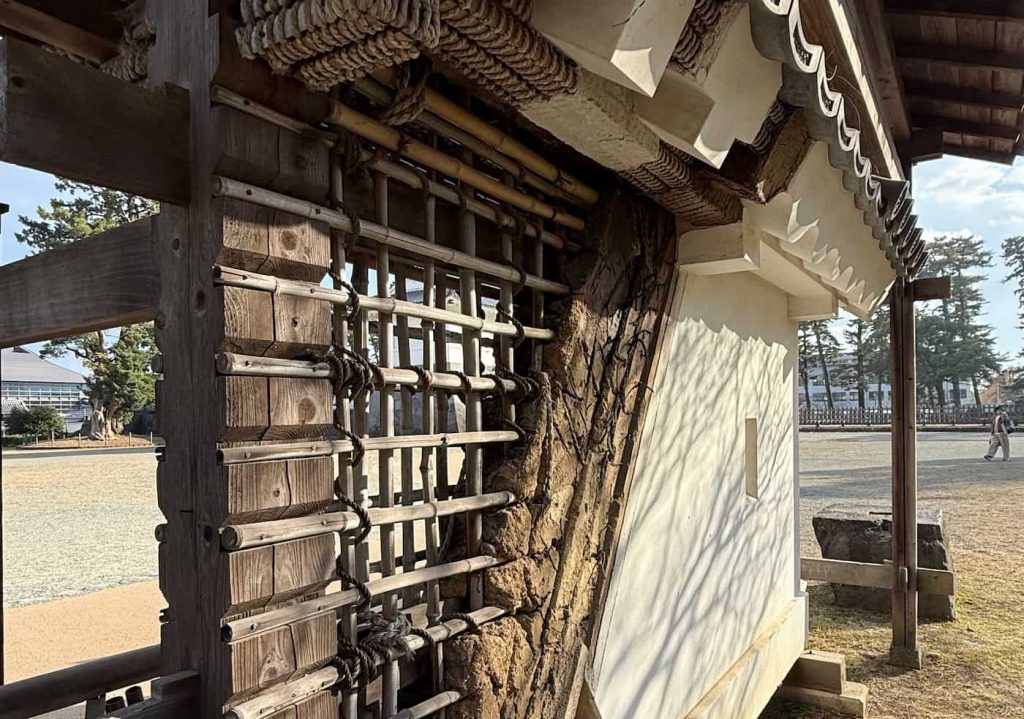
Odawara Castle was originally built in the mid 15th century and soon fell into the hands of the Hojo Clan. Post-earthquake reconstruction efforts brought back not only the main castle tower but the corner tower (Sumi-yagura), Tokiwagi-mon, Akagane-mon and Umadashi-mon gates. The exterior design of the reconstructed main tower was based on a reduced-scale prototype and plans created during the Edo Period.
What is more interesting architecturally is the system of gates, the Tokiwagi-mon, Akagane-mon, and Umadashi-mon, which give a clear sense of the defensive layering of a major castle precinct. The approach sequence through multiple gates, across bridges, and up stone-paved ramps is the castle’s primary spatial experience, and it functions like a series of thresholds that progressively concentrate and direct the visitor.
Suggested
Spend a morning at the castle, focusing on the gates and the stone walls. Then walk to the beach to feel the openness of the coastline and the presence of the sea against the defensive landscape, then move north of town along the Sakawa River to find local sake breweries and the traditional townhouse fabric of central Odawara. This is a half-day stop on the way to Hakone, don’t spend more than half day here.
HAKONE Sacred mountain
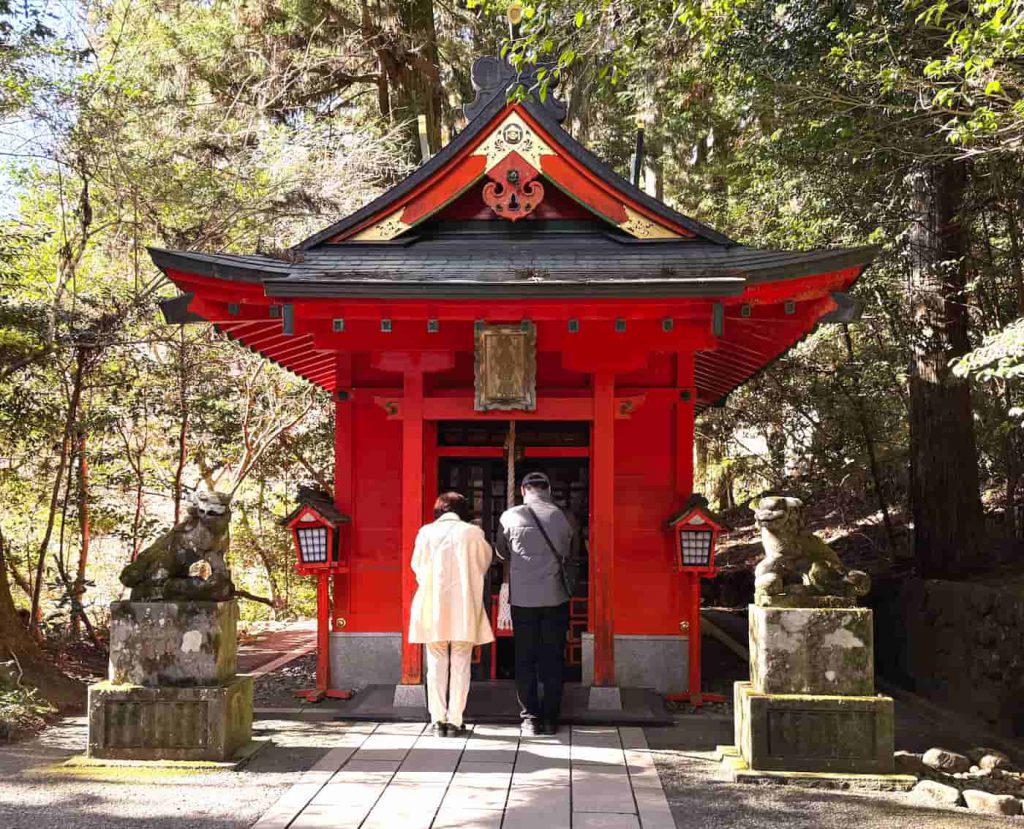
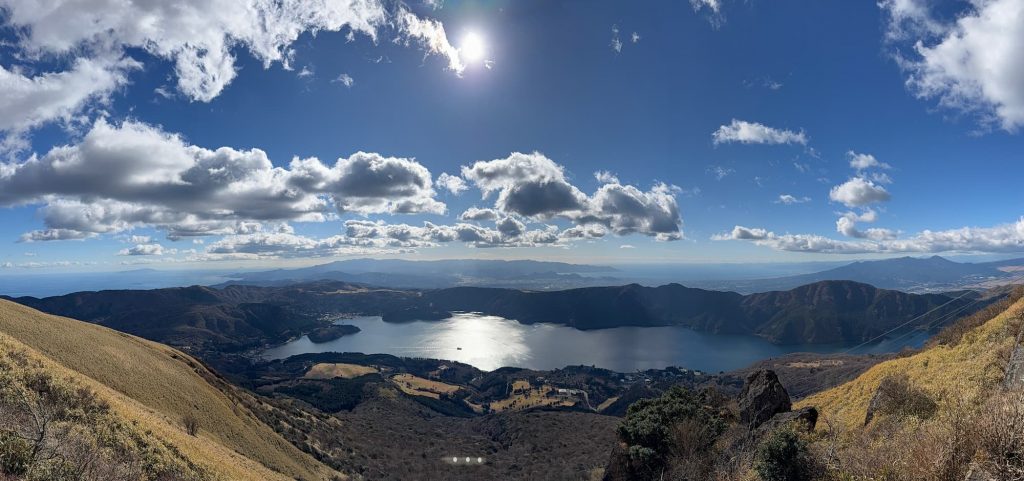
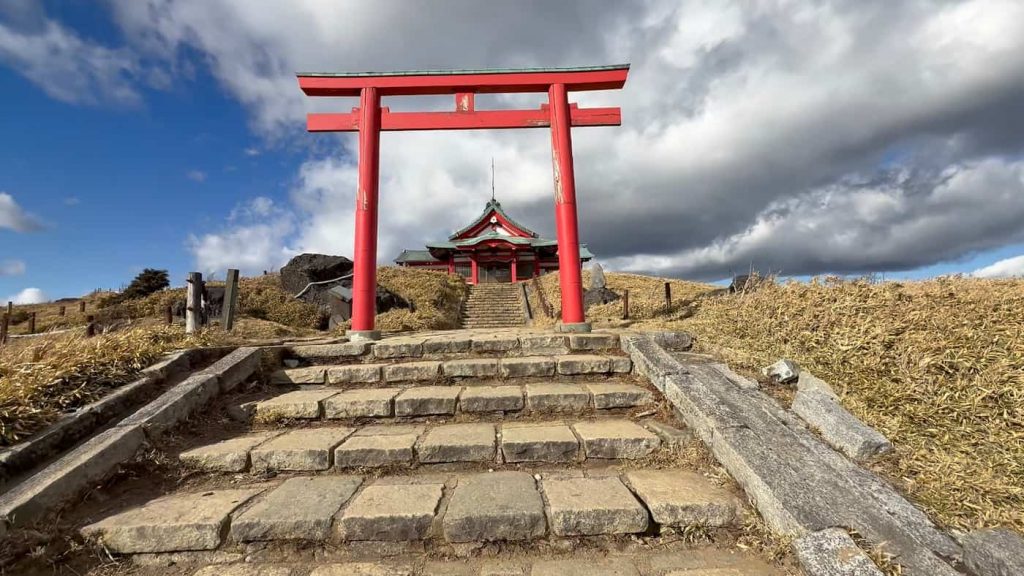
Hakone is a volcanic mountain region of extraordinary natural drama: Mt Fuji is visible on clear days, Lake Ashi in a collapsed volcanic crater, active sulphur vents at Ōwakudani. Hakone Shrine on the shore of Lake Ashi is a powerfully sited Shinto complex, with its famous red torii standing in the lake, a deliberate echo of Itsukushima on Miyajima, the iconic image of a gate rising from water.
Suggested
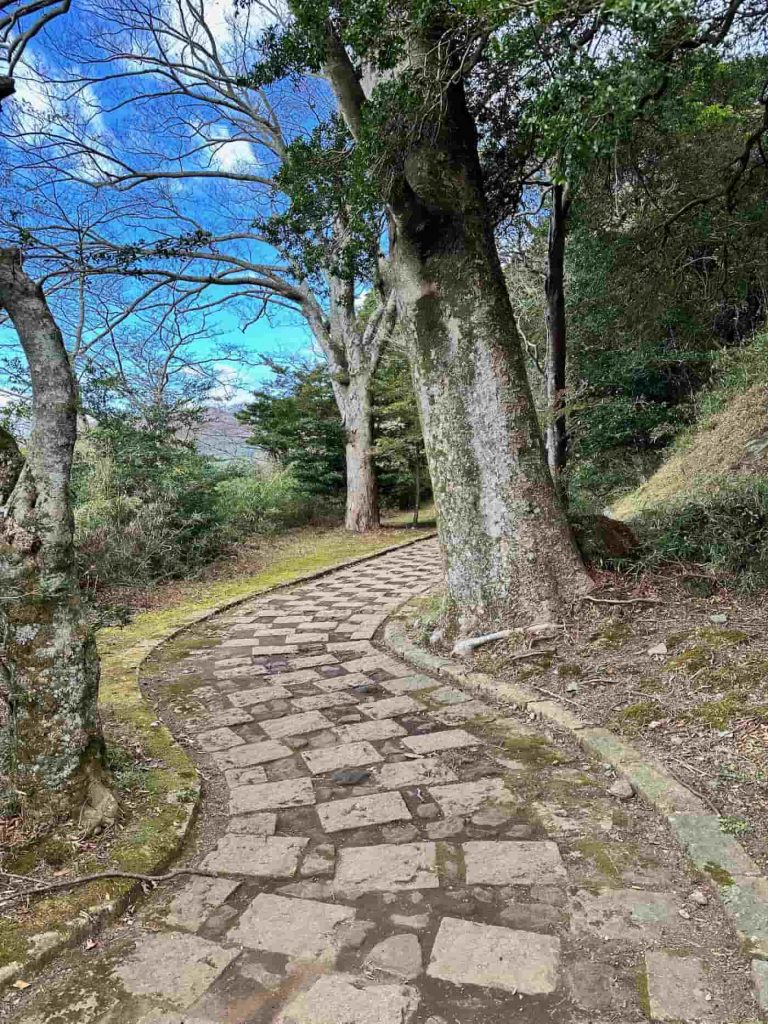
I particularly recommend to take the walking path through the cedar forest from the lake shore up to the temple complex. Then spend the night at a traditional ryokan and the following day climb to the Hakone Mototsumiya Shrine for a wide view over the lake and the bay with Mount Fuji on the backdrop, before going to the Hakone Open-Air-Museum with its contemporary sculptures and move on to the Pola Museum of Modern Art designed by Nikken Sekkei, great example of sustainable design within nature.
NAGANO The temple town in the Alps
Nagano city sits in a mountain basin ringed by the Japanese Alps at around 370 metres elevation. Zenkoji Temple in Nagano is one of Japan’s most important and oldest Buddhist temples, founded in the 7th century it predates the split of Japanese Buddhism into different sects, making it nonsectarian and welcoming to all visitors regardless of religious background.
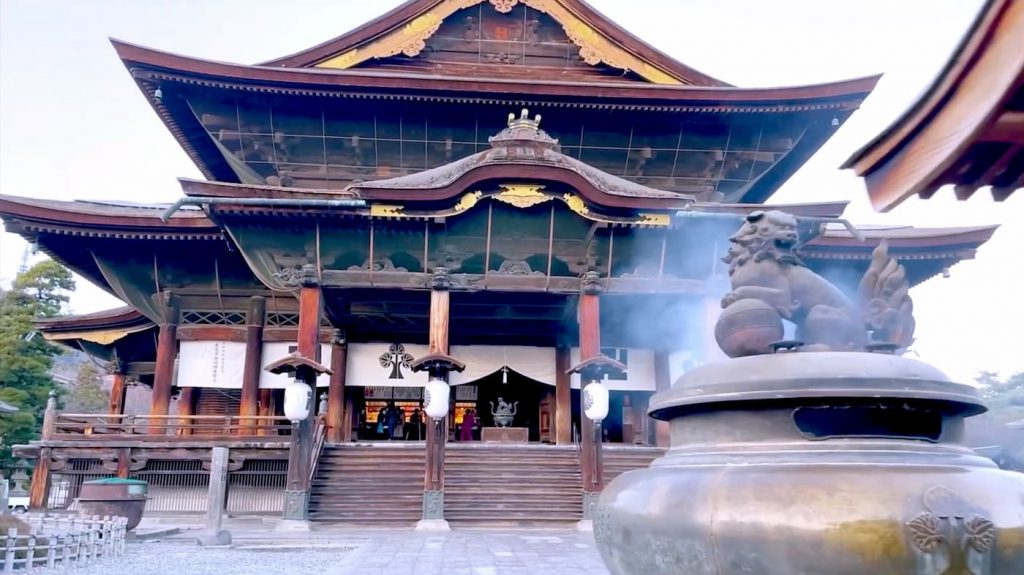
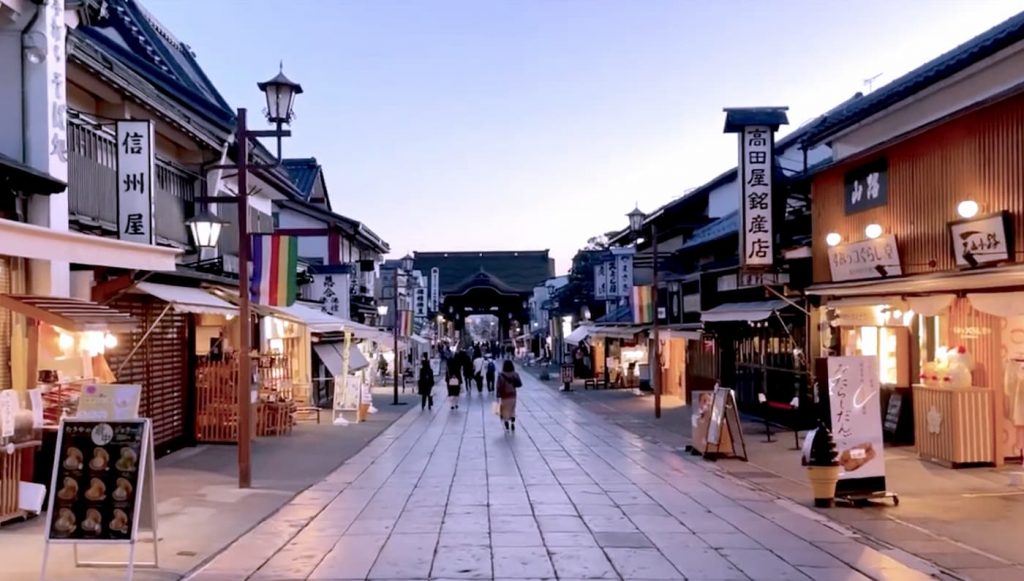
The majestic Sanmon gates serve as an observation area offering views of the temple grounds and main hall. The Hondō (main hall) is designated a National Treasure, it is a large, complex Wayō-style structure, its interior smoky with incense and warm with the presence of thousands of years of pilgrimage. The access from Nagano Station is a long shopping street lined with traditional buildings and conceived as a preparatory journey. One of the most unique features of Zenkōji Temple is the Okaidan Meguri, a completely dark underground tunnel beneath the main hall. where visitors can walk through in total darkness, searching by hand for the “key to paradise” mounted on the wall. This symbolic journey represents moving towards enlightenment.
Suggested
Arrive at Zenkōji Temple at dawn for the O-Asaji ceremony (daily morning prayer service), walk the entire temple precinct with 39 temple lodgings (shukubō) surrounding the main compound. Then spend the afternoon to walk the Zenkōji Kaidō, the old pilgrimage road through the town’s preserved traditional neighbourhoods.
TAKAYAMA The mountains city
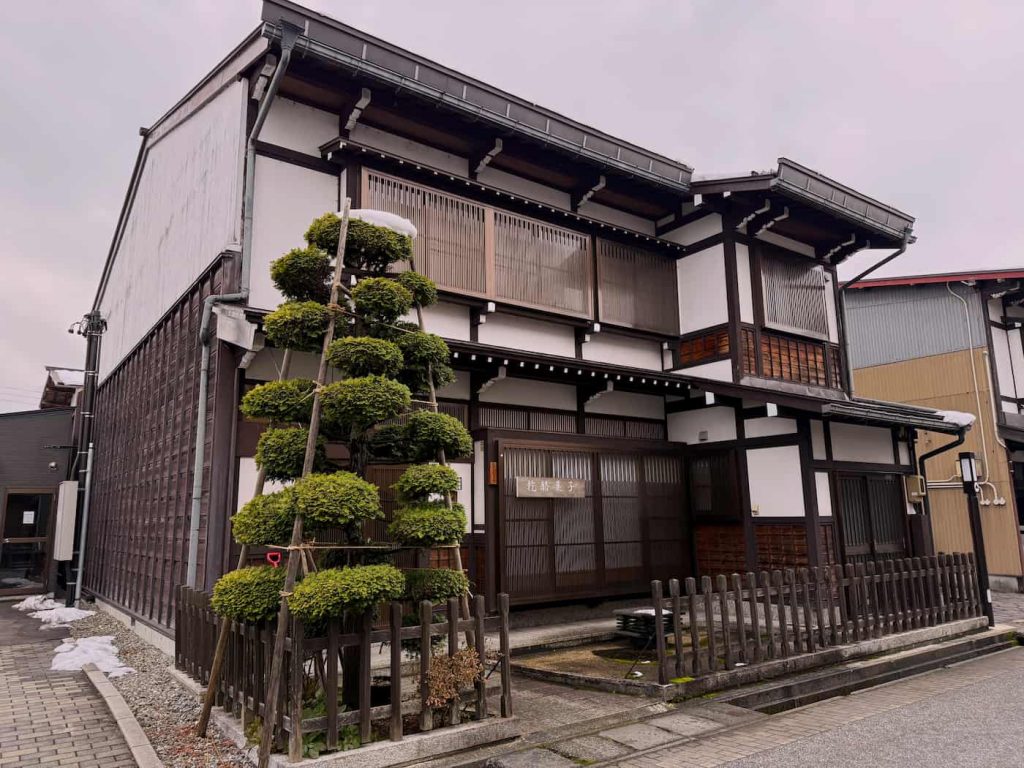
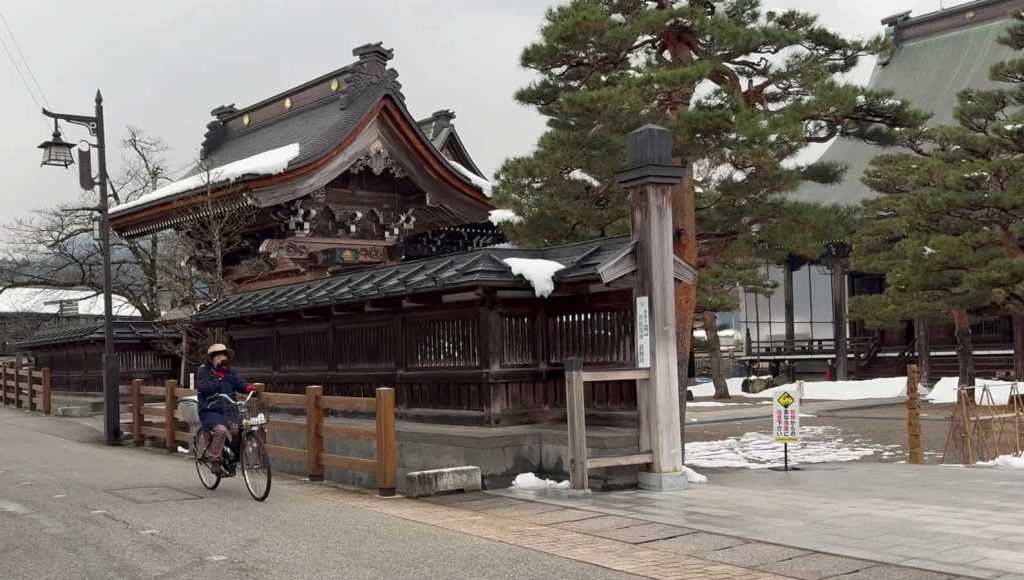
Takayama is a well preserved traditional city situated in the Hida region of Gifu Prefecture in the heart of the Japan Alps. It was sufficiently remote during the Edo period to develop in relative isolation, and its merchant quarter, Sanmachi Suji, survives intact. It feels like walking in a different era: three parallel streets of traditional machiya and merchant houses, especially sake breweries and miso shops, their facades and interiors feel authentic and a textbook of vernacular urban architecture.
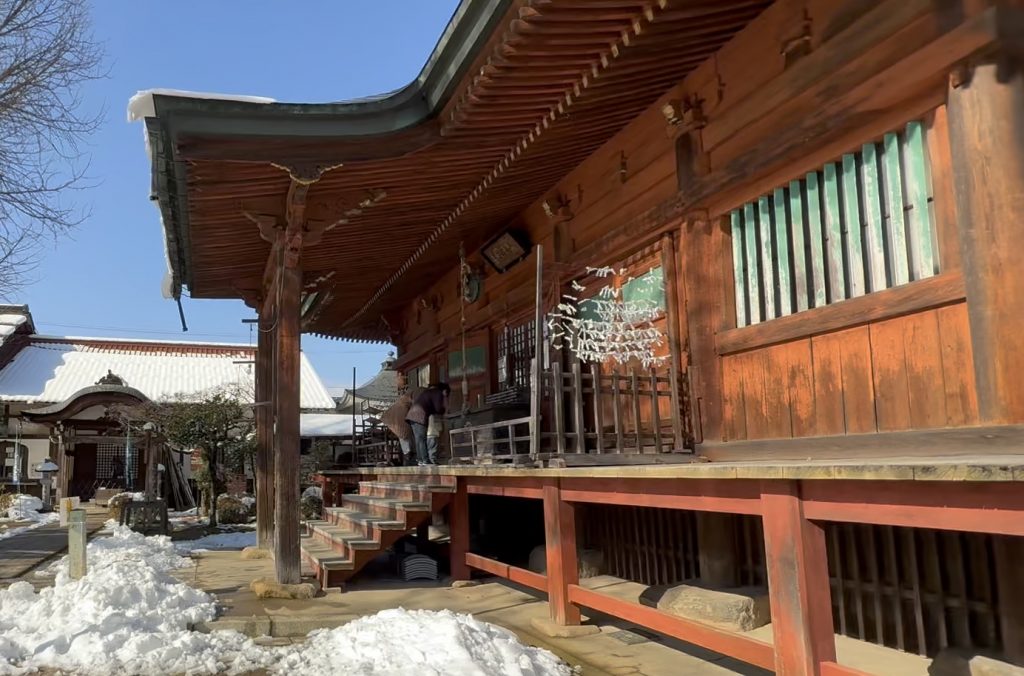
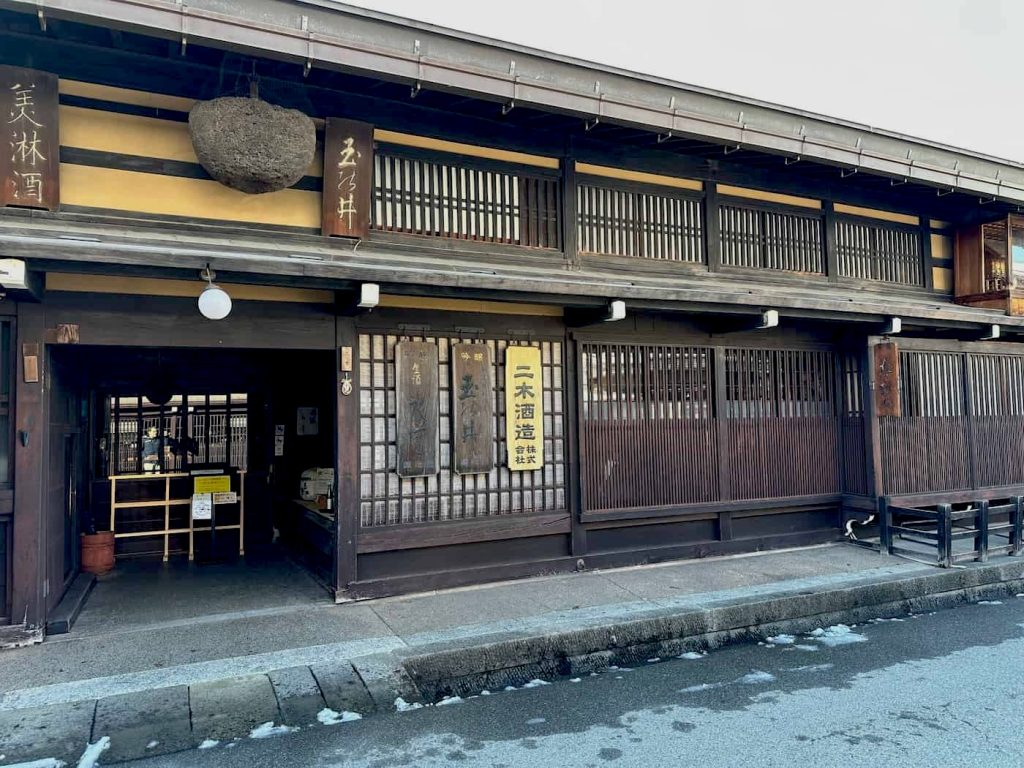
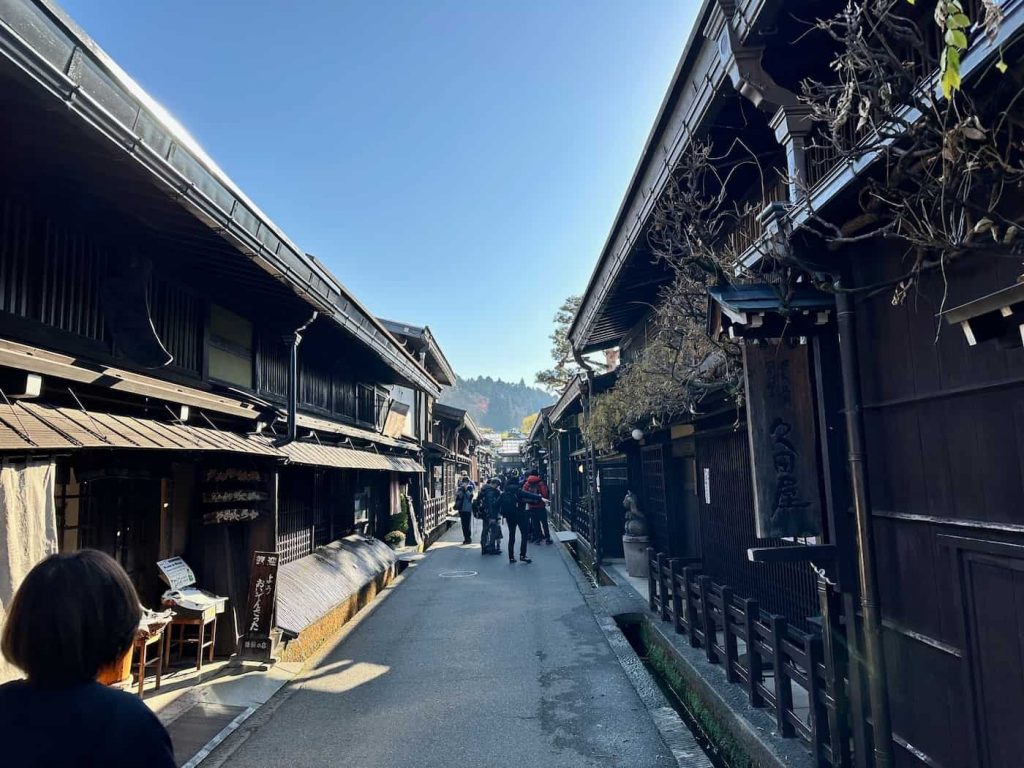
Takayama has preserved historic districts with traditional architecture made from the artisanal carpentry skills of the Hida master craftsmen which gives the city the look and feel of a time from centuries ago. The Hida region was well known for its carpenters, who were so skilled that the Tokugawa shogunate required them to serve in lieu of tax as construction workers on major projects in Edo and Kyoto. The woodworking quality in Takayama’s traditional buildings, the precise joinery of the eaves, the refined detail of the lattice windows (mushiko-mado), the deep-black of the preserved timbers, all reflect this exceptional craft heritage. Takayama Jinya is the only surviving original governmental building of a local Edo period administration in Japan. Its complex of administrative, residential, and storage buildings, arranged around a series of courts, gives a complete picture of how a mid-level administrative centre was architecturally organised.
Suggested
Walk the Sanmachi Suji early in the morning and late in the afternoon to avoid tour groups. Visit the Kusakabe and Yoshijima private merchant houses, two extraordinary examples of Edo period machiya of the wealthiest merchant class, with their soaring double-height central spaces and elaborate structural ceiling frames.
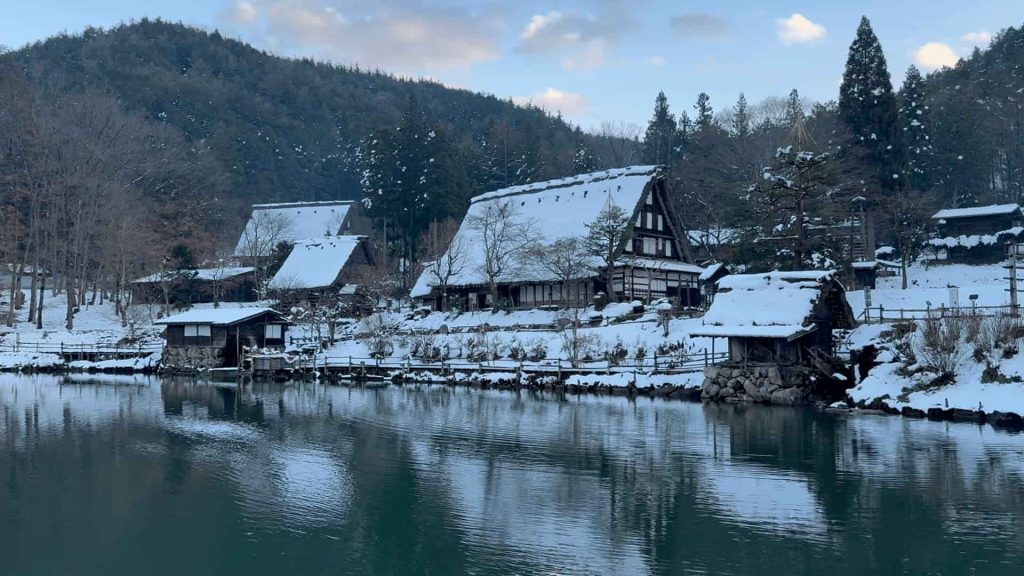
The following day visit Hida Folk Village, where over 30 traditional buildings of different typologies have been relocated and preserved as a living open-air museum. In winter, with snow on the thatched roofs, it was exceptionally beautiful. Hida Folk Village’s main feature is the gassho-zukuri houses, which are symbols of the area. Their steeply sloped thatched roofs allow heavy snow to slide right off. The structural logic of these houses is extraordinary. The steep roof often pitched at 60 degrees creates a vast internal attic space (sometimes four or five storeys of loft through narrow displaced stairs) that was used for silkworm cultivation. The entire structural frame of the roof is assembled without metal hardware, using timber mortise-and-tenon joinery and bound with rope of twisted straw. The whole structure is designed to be disassembled and rebuilt periodically. Traditionally the community would gather in a practice called yui to re-thatch a house together, a communal act of architectural maintenance that expressed the social structure of the village.
HIDA
Not far from Takayama for a day trip, the Hida region and specifically the Shirakawa-go and Gokayama valleys are home to the most spectacular concentration of gassho-zukuri farmhouses in Japan, declared a UNESCO World Heritage Site in 1995. In winter, with deep snow on the steep thatched roofs, these villages achieve a quality of landscape beauty that is almost surreal.
The village of Ogimachi in Shirakawa-go is the largest surviving settlement with over 100 gassho-zukuri buildings. Walk through it in the early morning, when the tour groups have not yet arrived and the smoke from the irori is rising through the thatched eaves into the cold air.
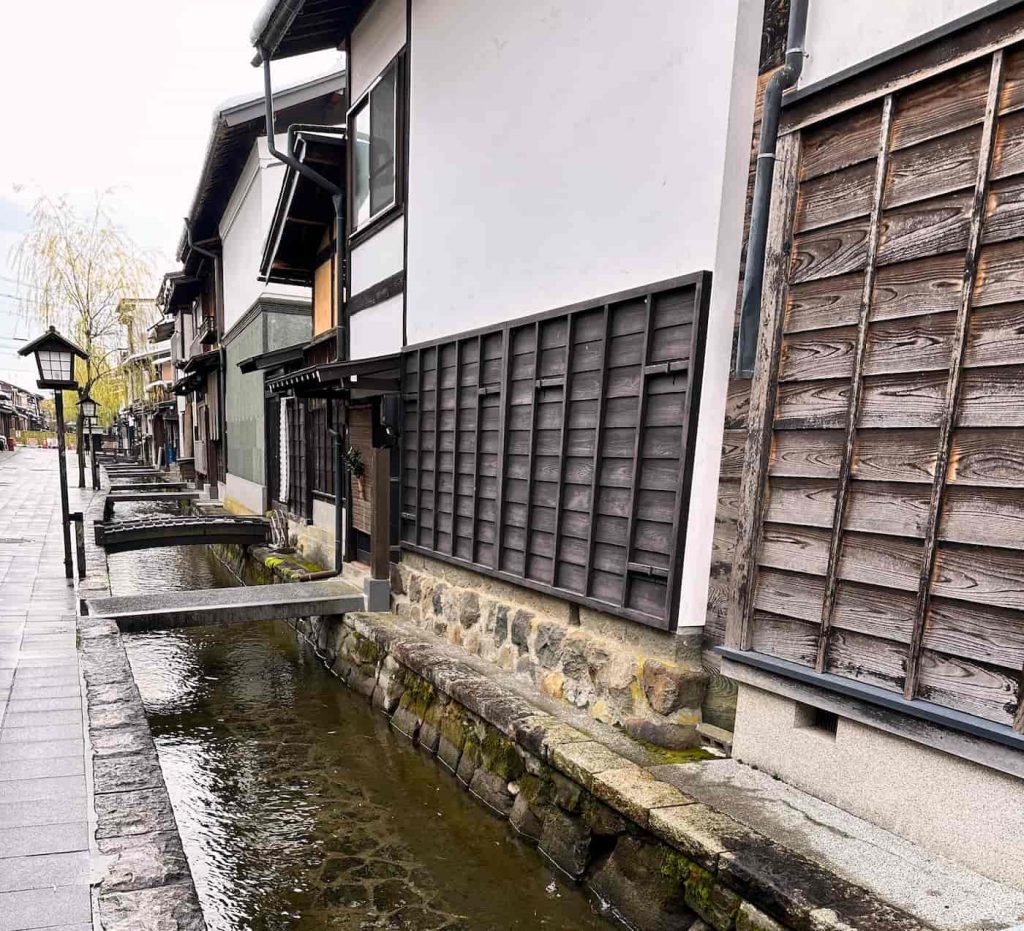
Furukawa sits just fifteen minutes north of Takayama preserves a genuine feeling of a quiet mountain village with rows of whitewalled kura storehouses and timber machiya facing a willow-lined canals.
Suggested
Stay overnight in a gassho-zukuri farmhouse. Fires are lit in the irori each morning, which provides a pleasant aroma as well as helping to keep the houses in good condition. Being inside one of these buildings at night, with the structural frame above you and the fire below, is a fantastic experience.
GERO Hot springs
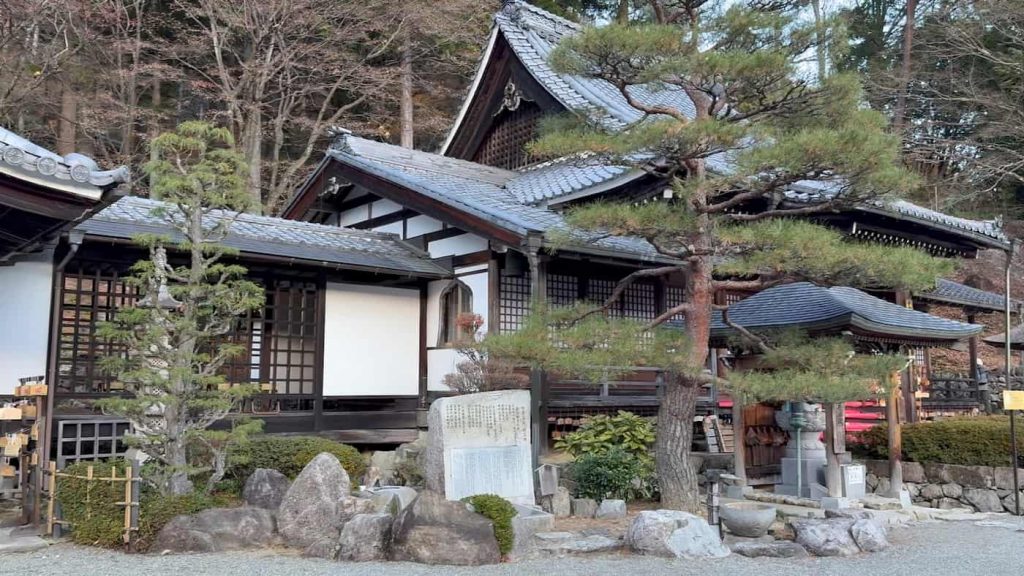
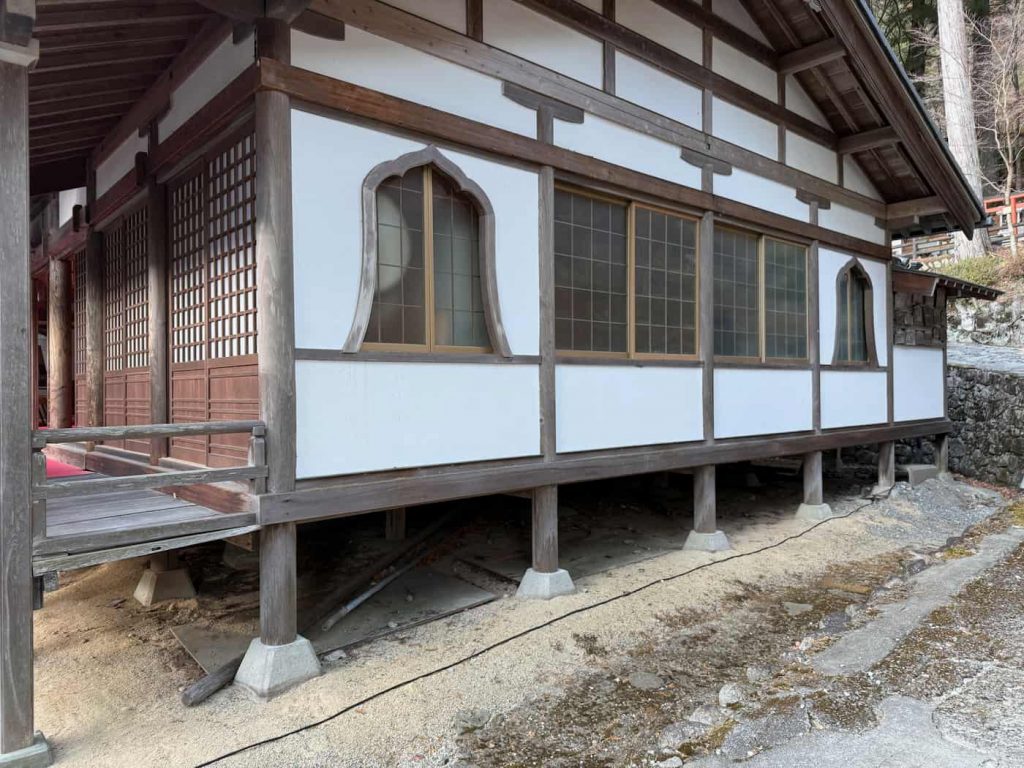
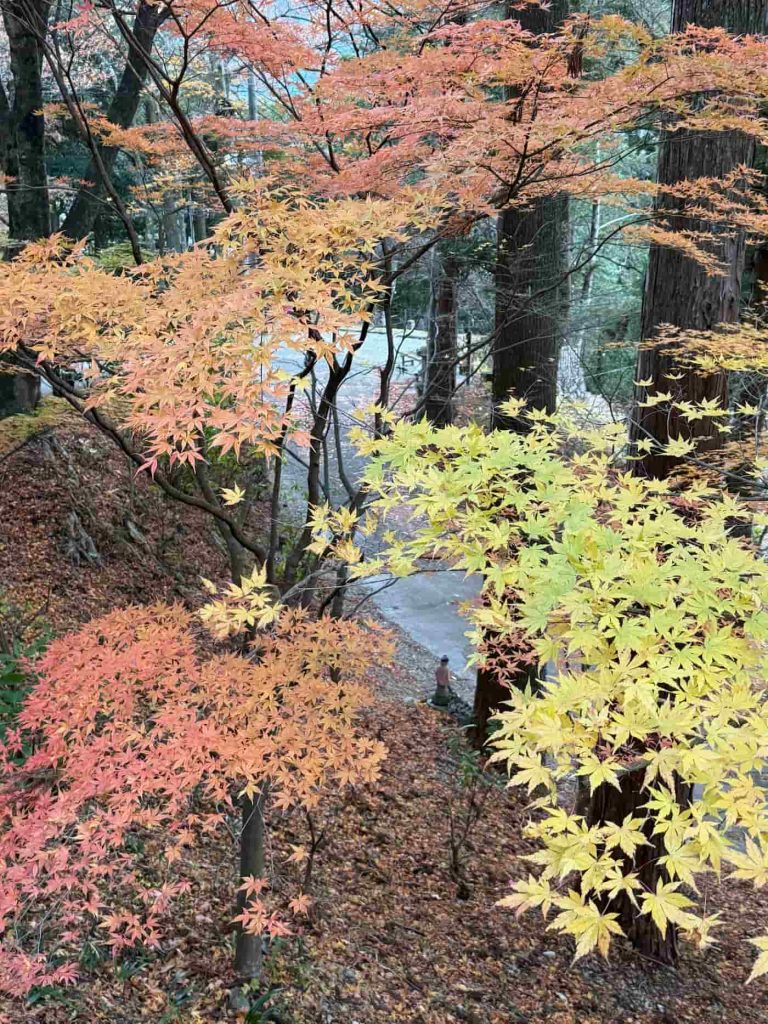
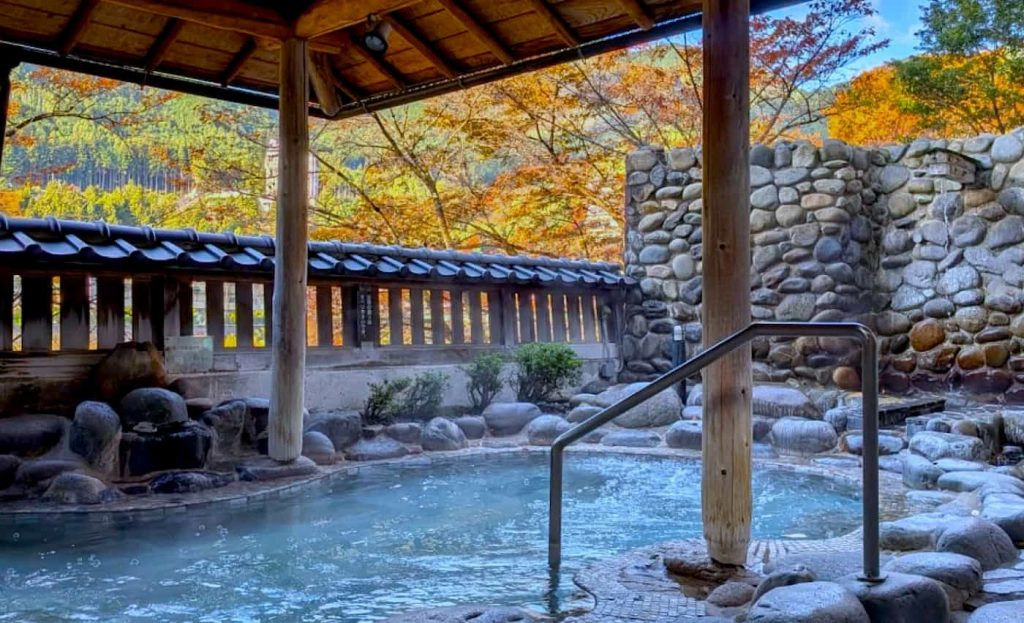
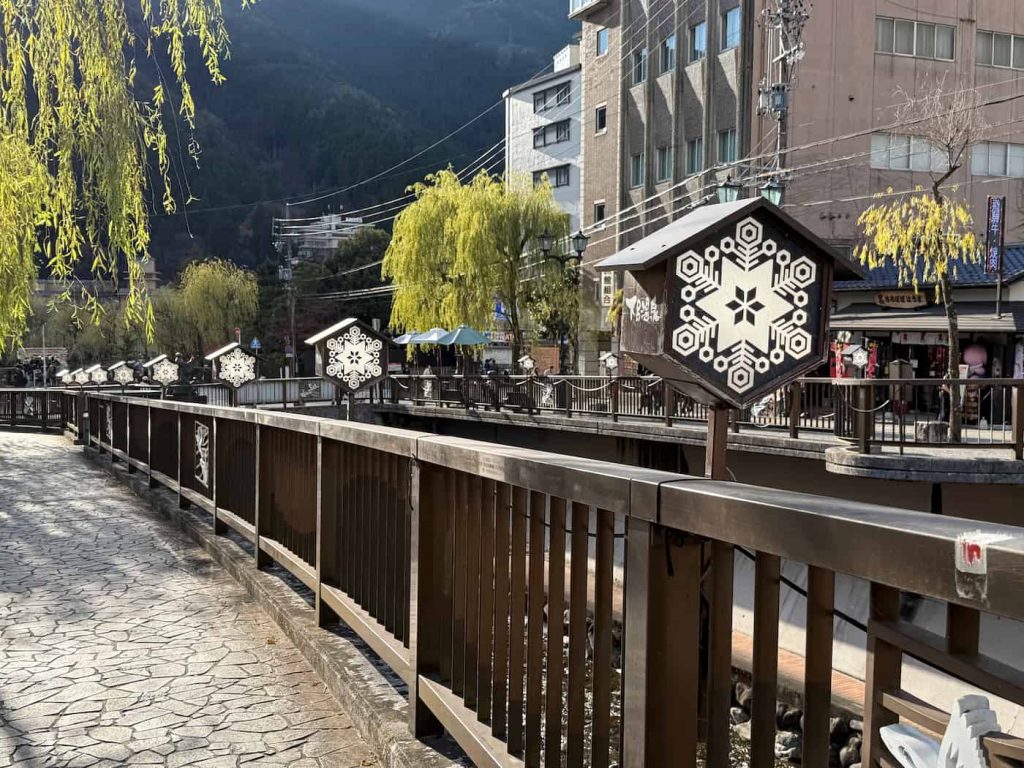
An hour south of Takayama, or two hours north of Nagoya, Gero Onsen is a small hot spring city with many traditional family run ryokan. The traditional ryokan with its central reception court (genkan), its tatami room suites with garden views, its communal baths and its elaborate kaiseki dinner service is the most complete expression of Japanese domestic design in a hospitality context. The spatial sequence from arrival to bath to dinner to bed orchestrates every element of the Japanese house tradition.
Suggested
This is primarily a ryokan destination and winter is the perfect time to enjoy it with the locals. Stay at least one night in a traditional inn, walk along the Hida River in the early morning, experience the open air communal baths, visit the small Gassho Village museum.
GIFU
Gifu is a mid-sized city on the Nagara River at the southern edge of the Hida mountains, historically significant as the base of Oda Nobunaga, the first of the three great unifiers of Japan. Its castle, perched dramatically on the summit of Mt Kinkazan above the city, is one of the most strikingly sited mountain castles in Japan.
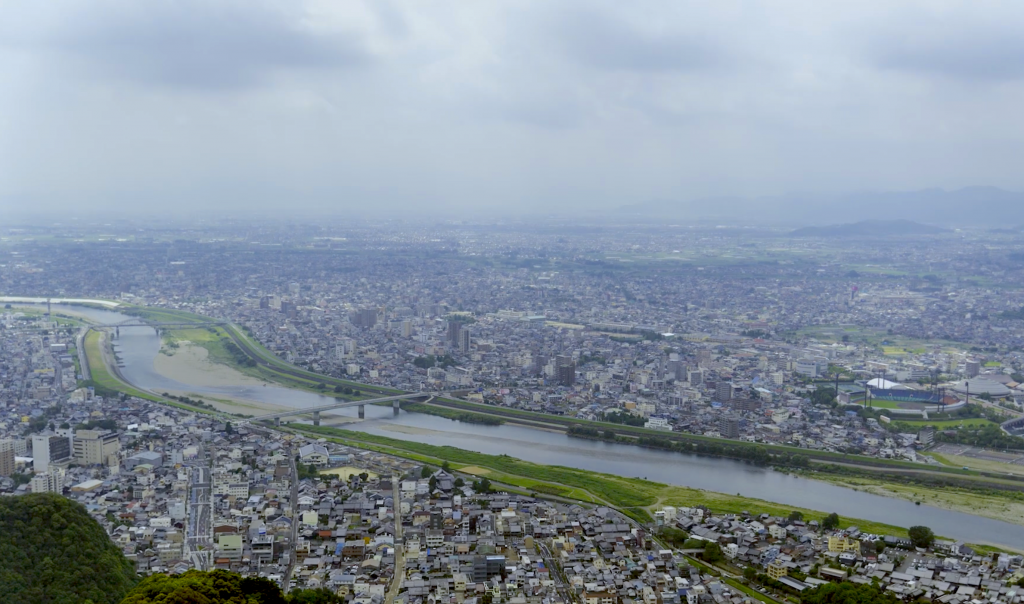
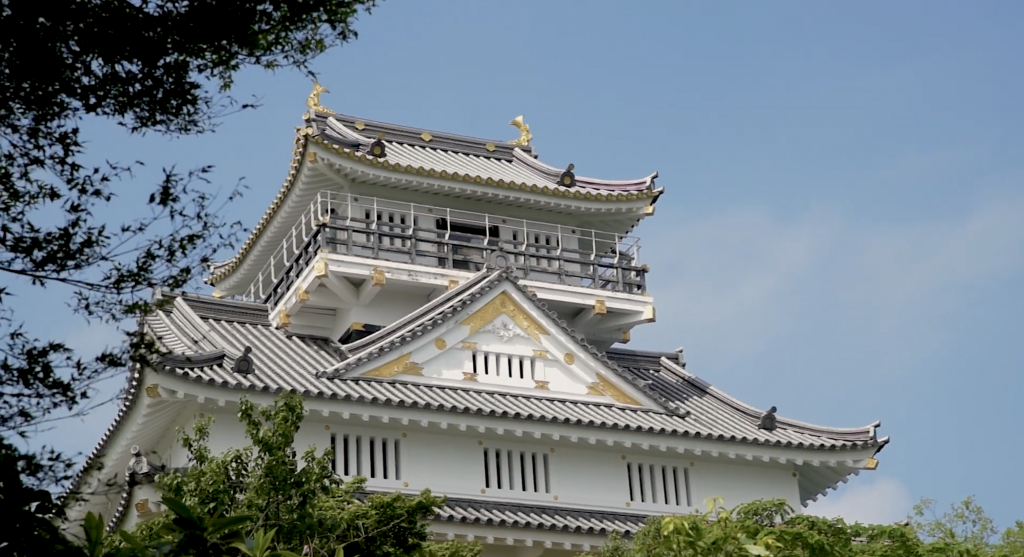
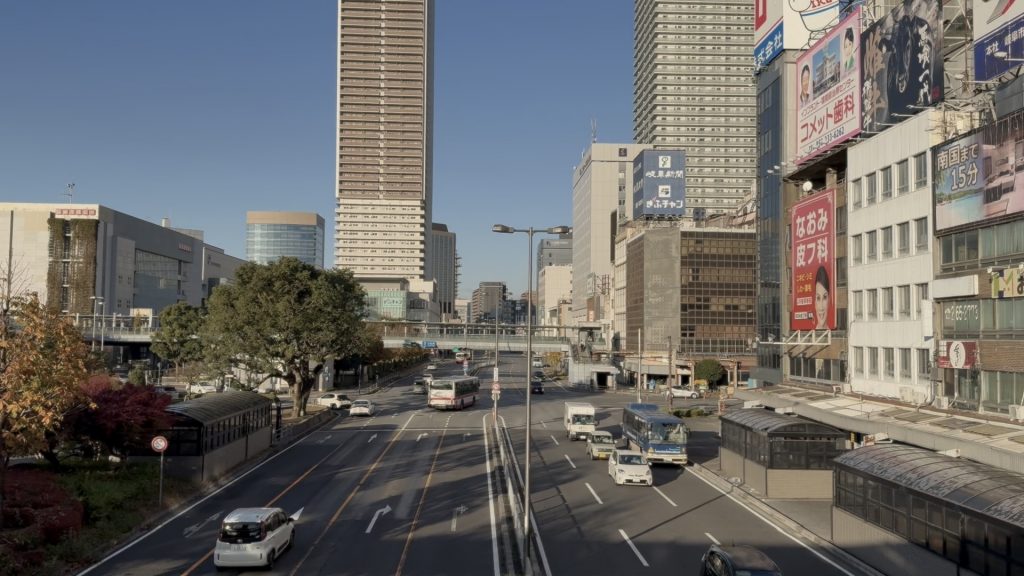
Gifu Castle is located on Mount Kinkazan to the northeast of central Gifu, facing the Nagara River. The first Gifu Castle was first built by the Nikaidō clan between 1201 and 1204. Oda Nobunaga renovated the castle into a far more impressive and grandiose structure, constructing a tenshu on the top of the mountain and bringing in many huge stones to bolster its ramparts.
The current tenshu is a concrete reconstruction of 1956, but its position, accessible by ropeway from below, or by a steep hiking path is genuinely extraordinary. Inside the reconstructed keep is a museum with three floors containing exhibits representing the castle’s past. On the top floor, an observation deck with a 360-degree panoramic view includes the Nagara River and Nagoya in the distance.
The Nagara River below, famous for its cormorant fishing (ukai) tradition performed in traditional wooden boats by fishermen in Edo period costume adds a layer of living cultural heritage.
Suggested
Take the ropeway to the castle early in the morning for the clearest views. Spend the afternoon in Gifu’s traditional districts along the Nagara River. If visiting between May and October, book a ukai (cormorant fishing) boat experience at dusk one of the most atmospheric traditional cultural performances in Japan, watched from wooden boats on the dark river.
Magome to Tsumago-Juku
Set along the historic Nakasendo route, the small villages of Magome and Tsumago are beautiful fragments of an infrastructural landscape that once connected Kyoto to Edo. They sit within a narrow mountain valley, where topography compresses movement into a single path, and architecture aligns itself accordingly. These were post towns, places of rest and exchange along the route, and their form reflects that role with remarkable clarity and conserve the charm of traditional wooden constructions along a main road.
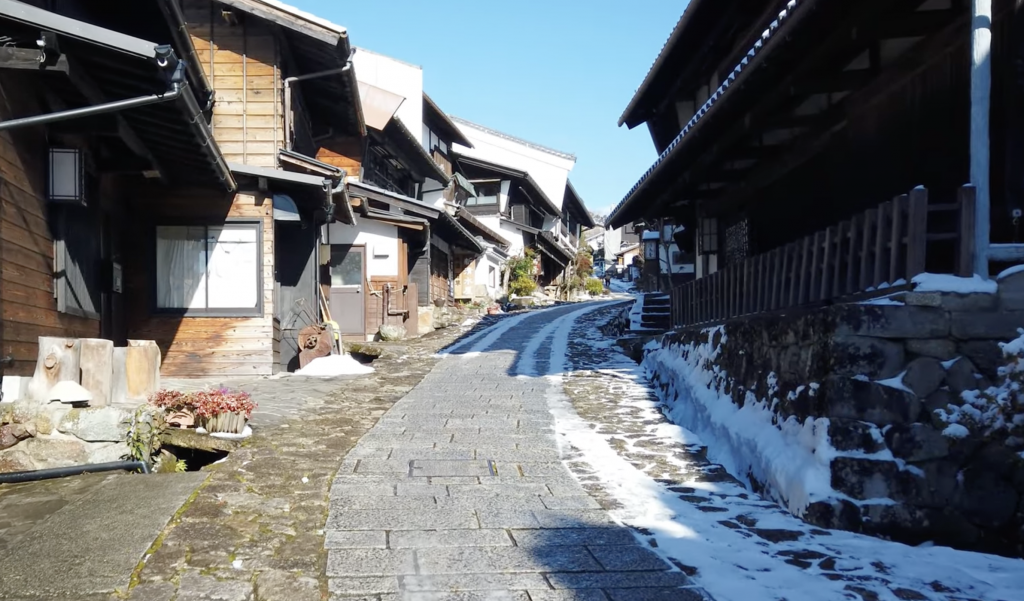
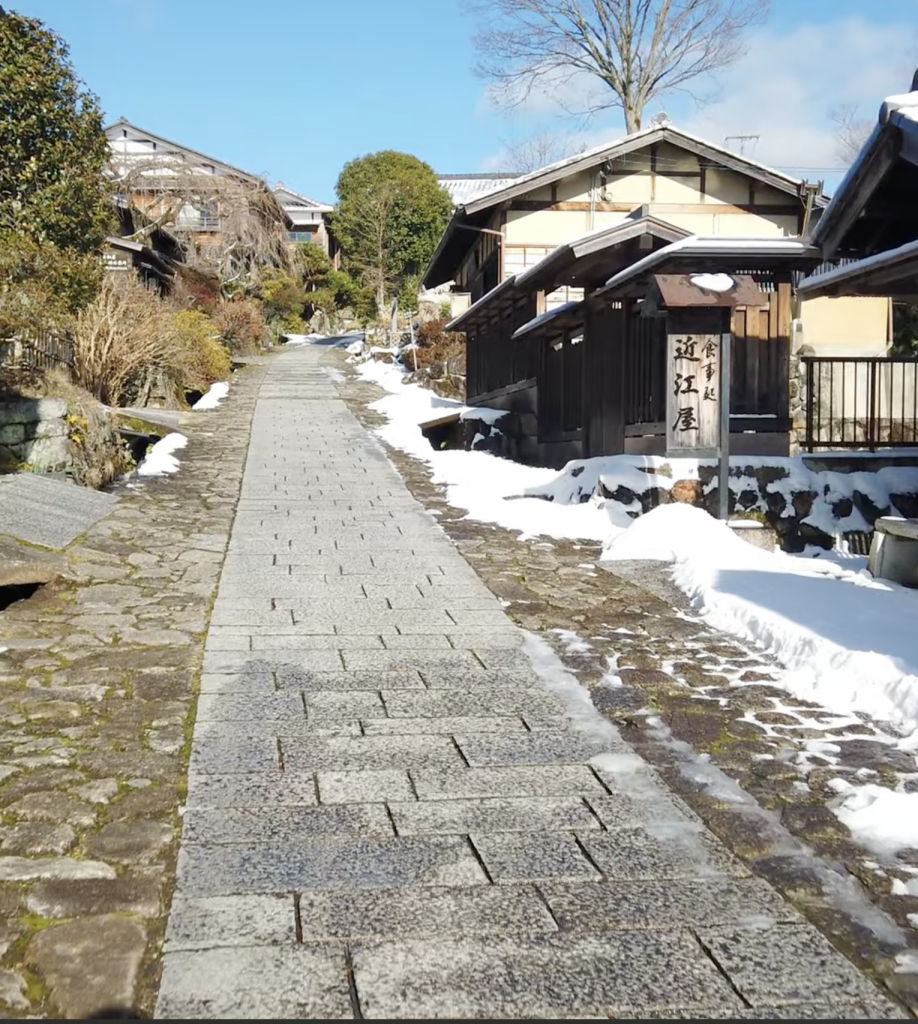
Magome rises along a steep slope, its main street articulated as a paved spine lined with timber houses that step with the terrain. The buildings are narrow, deep, and front-facing, their façades composed of wooden lattice, sliding panels, and low eaves that compress the street space. Water channels run alongside the path, both functional and acoustic, reinforcing the linear movement upward through the village.
Tsumago, by contrast, sits more gently within the valley floor. Its layout is more horizontal, more composed, with a continuous sequence of preserved townhouses forming a unified streetscape. What is striking here is the level of control: no visible modern intervention, no overhead lines, no visual noise. The entire settlement reads as a single, continuous architectural artifact.
Suggested
The trail between Magma and Tsumago is roughly eight kilometres and is a nice path that can be done easily if there is no ice. The path moves through forest, past small shrines, over ridgelines, and alongside streams, constantly shifting between enclosure and openness. It is not designed as a scenic trail in the contemporary sense but more as a route of necessity that has become, over time, a calibrated sequence of experiences. Stone markers, rest points, and subtle changes in paving register progression. Walking it in winter, with bare trees and muted tones, reinforces the continuity between landscape and construction with timber, earth, stone all belonging to the same system.
NAGOYA The industrial capital
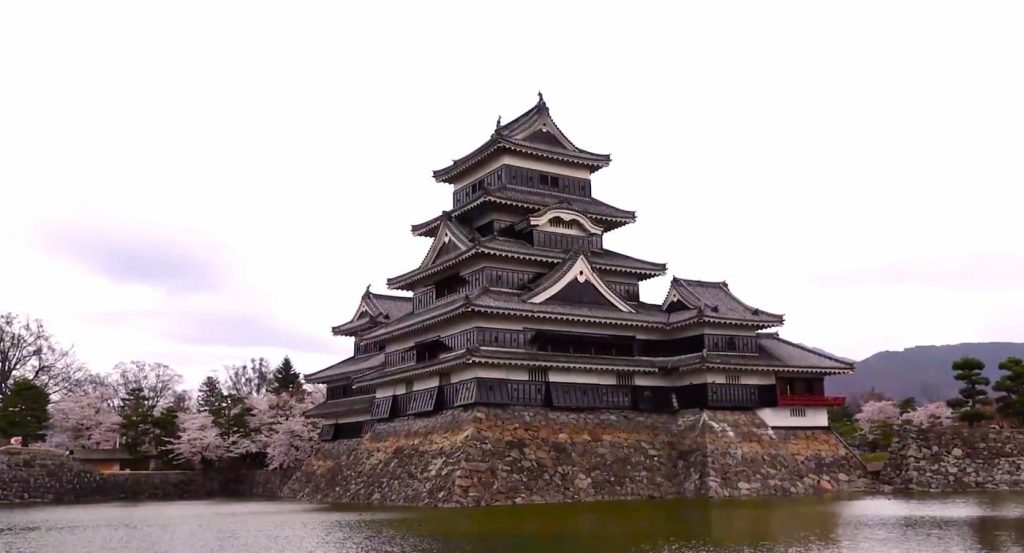
Nagoya is a modern town leading in automobile manufacturing (Toyota), aerospace, and high-tech machinery. It has a magnificent Castle with its samurai residential architecture reconstructed in 2009 using traditional Japanese artists and craftsmen, techniques and materials. The Honmaru Goten Palace, completed in 2018, is one of the most significant achievements in Japanese architectural heritage reconstruction. It is entirely built in traditional materials and methods such as hinoki cypress, hand-painted fusuma, traditional clay plaster and joinery without metal hardware, and represents the most complete surviving example of the shoin-zukuri residential style in its castle variant. Only the lord of the castle, the Shogun, the nobility and the elite could enter this world.
A short day trip north of Nagoya brings you to Inuyama and its castle, one of only twelve original Japanese castles still standing, with its present keep constructed in 1537, an outstanding example of Momoyama Period defensive architecture. The castle sits on a small hill above the Kiso River, and the approach through the castle town’s traditional streets (Honmachi-dori) is one of the finest castle-town promenades in Japan.
Suggested
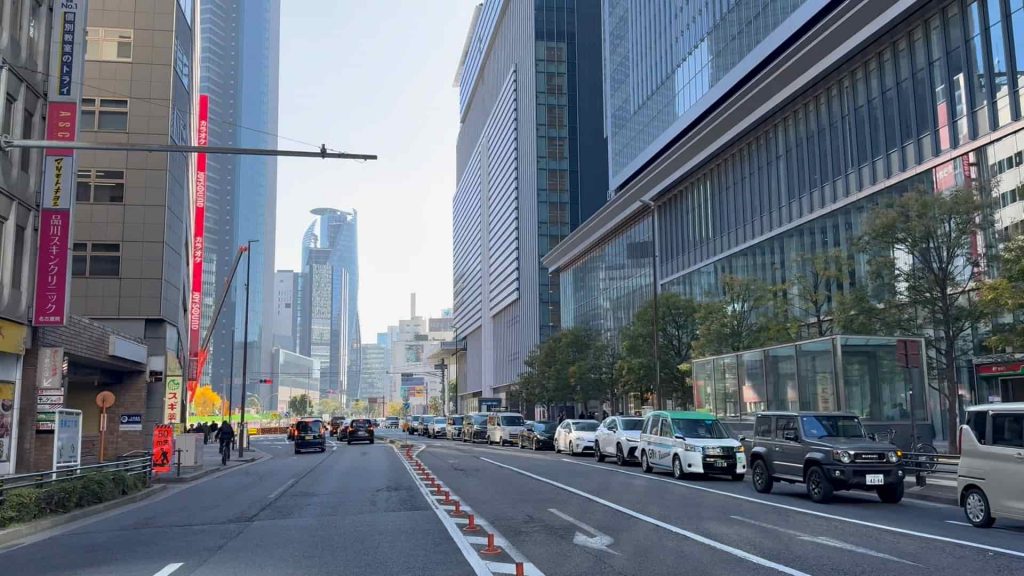
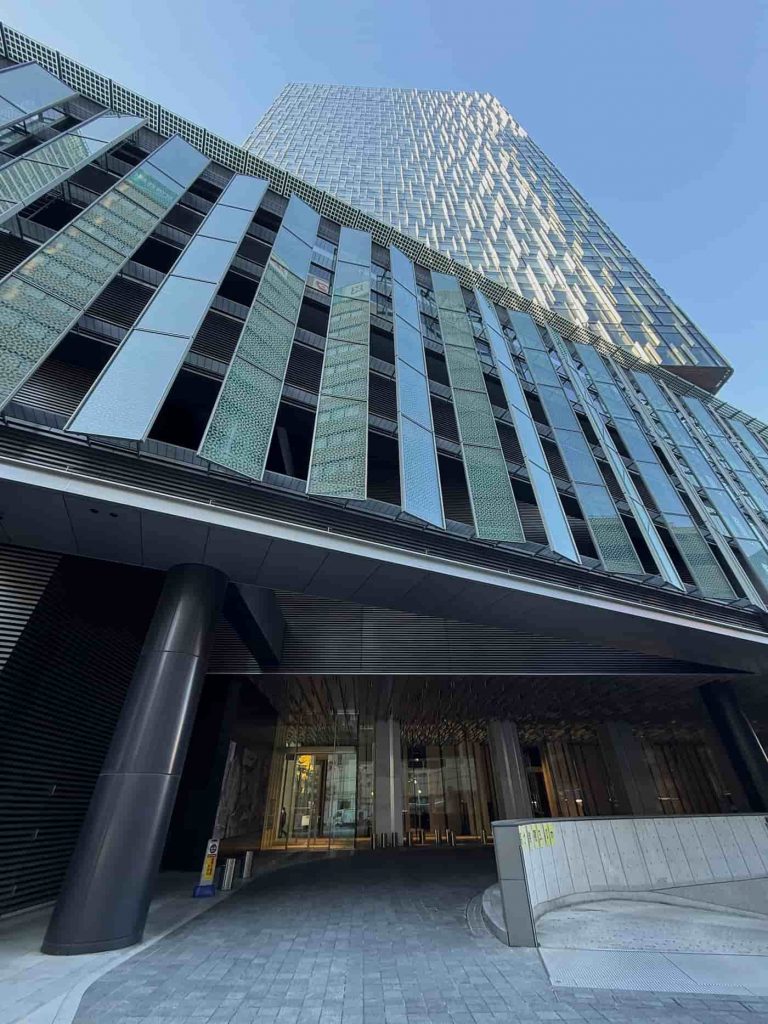
Spend half day at Nagoya Castle, focusing primarily on the Honmaru Goten Palace then take the day trip to Inuyama for the original tenshu. In the evening head to Nagoya Station precinct and the Sakae district showing mid-20th century Japanese urban planning and contemporary commercial architecture.
KYOTO The coherent whole
Kyoto is unmissable not simply because it is absolutely beautiful and inspiring, but because it allows you to understand Japan in its most complete form. After moving through all the other cities, this is where everything beginned to make sense for me: most Japanese cities are read in fragments; Kyoto is read as a whole. The city was largely spared from bombing, its cultural importance so immense that its historical sites were even spared during the war, in recognition of its unique status as the cultural centre of Japan for twelve centuries. I dedicated a separate section to Kyoto, read the post about Kyoto here.
UJI The matcha capital
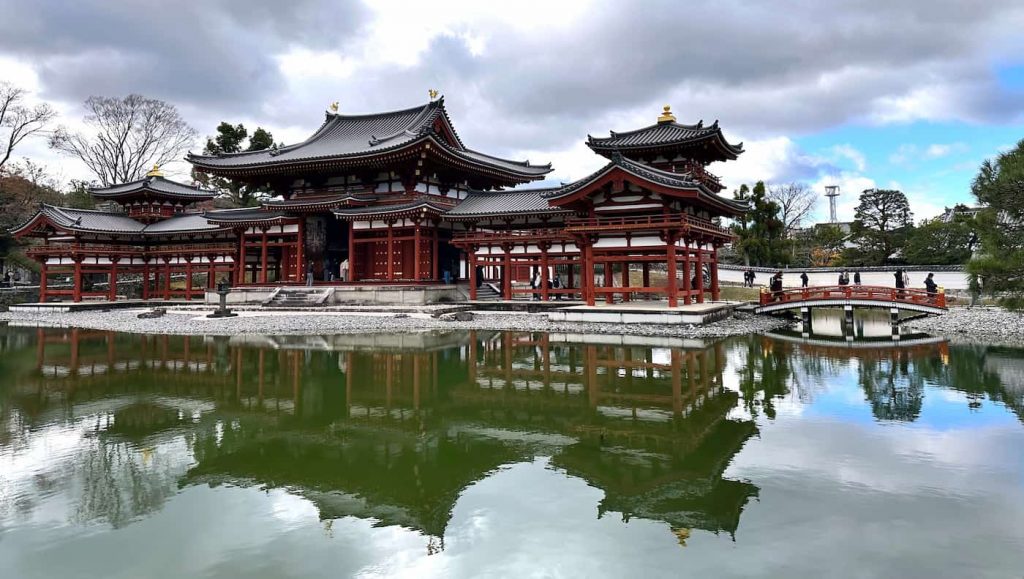
Uji is a small walkable city ten kilometres south of Kyoto along the Uji River, reachable in fifteen minutes by local train from Kyoto Station and contains are two architectural gems: the Buddhist Byōdō-in temple and the Shinto Ujigami Shrine.
Byōdō-in wasn’t built as a temple but began as a riverside villa, passing through aristocratic hands until in 1052 Fujiwara no Yorimichi converted it into a temple. The Fenix building he built stands across a pond and can be seen at a distance as a whole before approaching the interior. The spatial organisation of the complex is intentionally designed to give you the image before the experience, so that you formed a complete visual idea of the building before even crossing the bridge. The interior is very dark with only the gilded Amida and the cloud-borne bodhisattva figures emerging from the darkness. The entire structure is reflected in the pond, so that the building and its mirror image together form a complete composition, a symmetrical, almost weightless architectural object floating between water and sky.
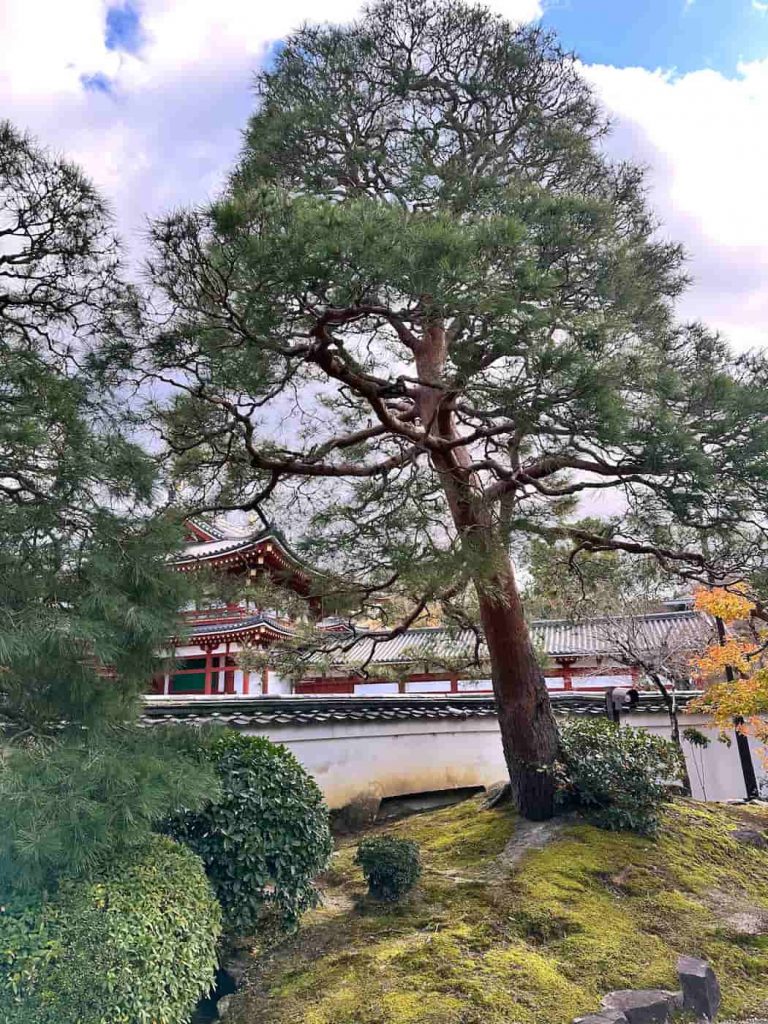
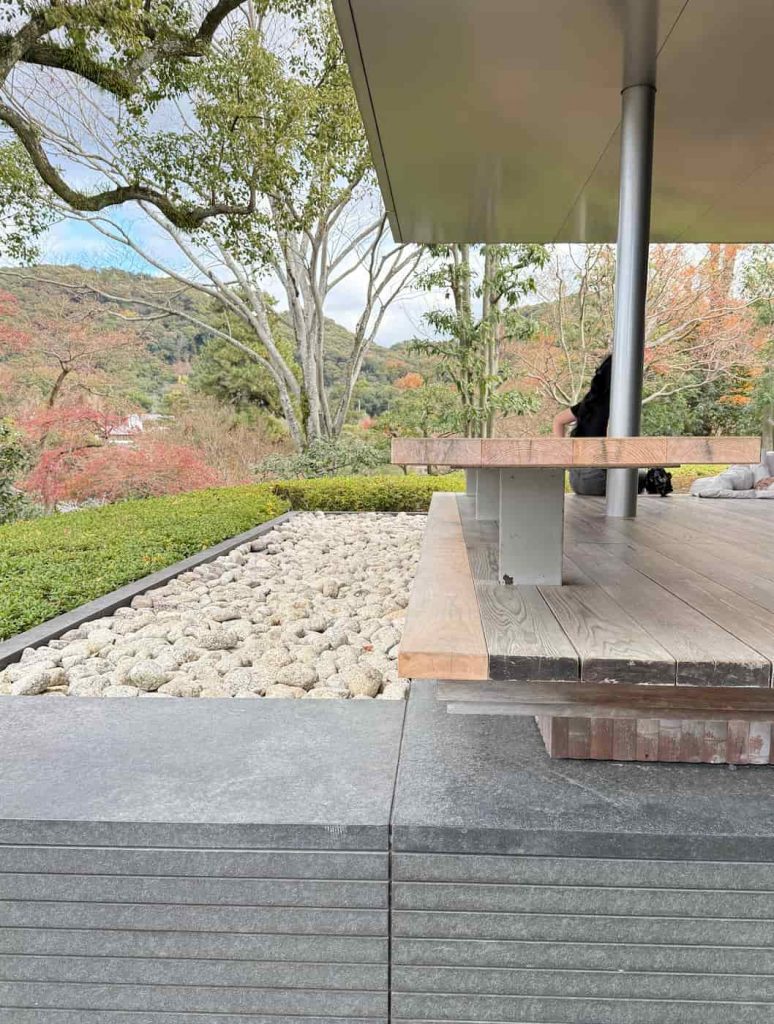
Ten minutes on foot across the river, up a gentle slope through a grove of trees, is Ujigami Shrine, and this is where the scale changes entirely. The honden of Ujigami Shrine is known as the oldest example of nagare-zukuri style of shrine architecture in Japan, dated by timber analysis to approximately 1060 making it the oldest existing shrine building in the country. It is a small building, with three inner shrine chambers arranged side by side under a single encompassing roof, with the characteristically asymmetrical gabled roof sweeping down long and low over the entrance face to create a sheltering porch for worshippers.
Suggested
Visit on a weekday, when the day-trippers from Kyoto and Nara are fewer. Begin at Byōdō-in as early as possible, 8:30 AM opening, and the pond reflection is most still in the early morning. Cross the river via the old bridge and walk to Ujigami Shrine. Return along the opposite riverbank and stop for matcha at one of the traditional tea shops on the main approach street. If you have time, walk then south along the river to Kōshō-ji where lies a Sōtō Zen temple set in a cedar and bamboo forest reached walking a straight avenue of Japanese cypress.
NARA Refinement and balance
Nara was Japan’s first permanent capital, from 710 to 784, and high in density of architectural heritage. The component parts of its UNESCO World Heritage designation include an archaeological site with the Nara Palace Site, five Buddhist temples (Tōdai-ji, Kōfuku-ji, Yakushi-ji, Gangō-ji, and Tōshōdai-ji), a Shinto shrine Kasuga Taisha. Together, these places provide a vivid and comprehensive picture of religion and life in the Japanese capital in the 8th century.
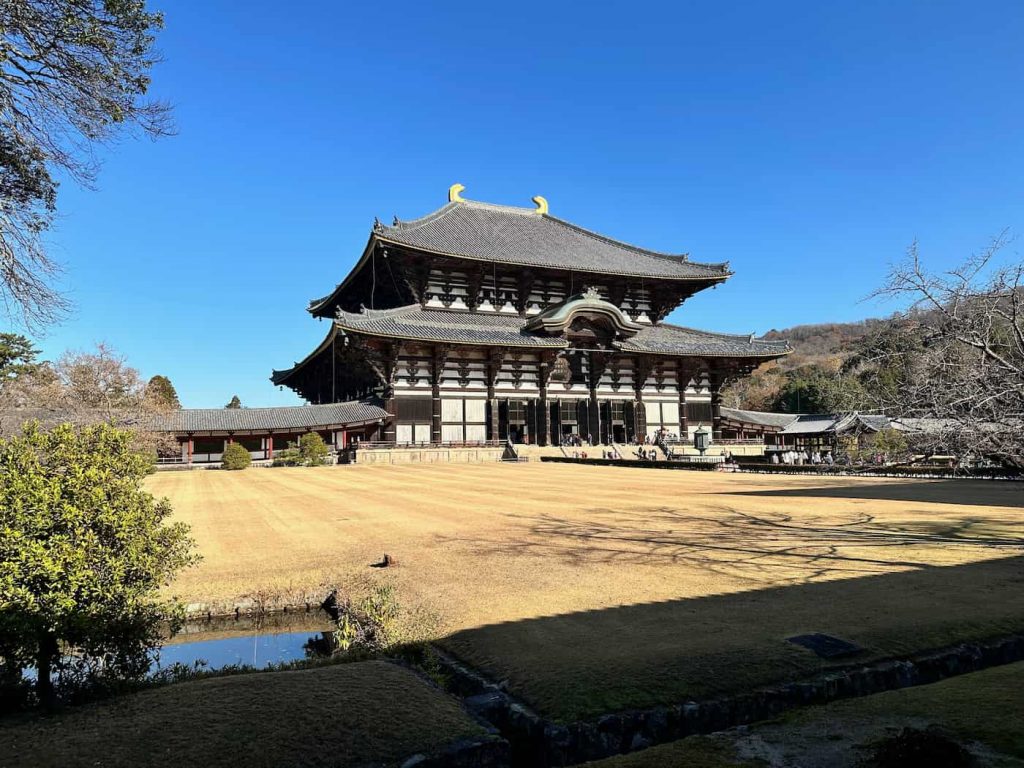
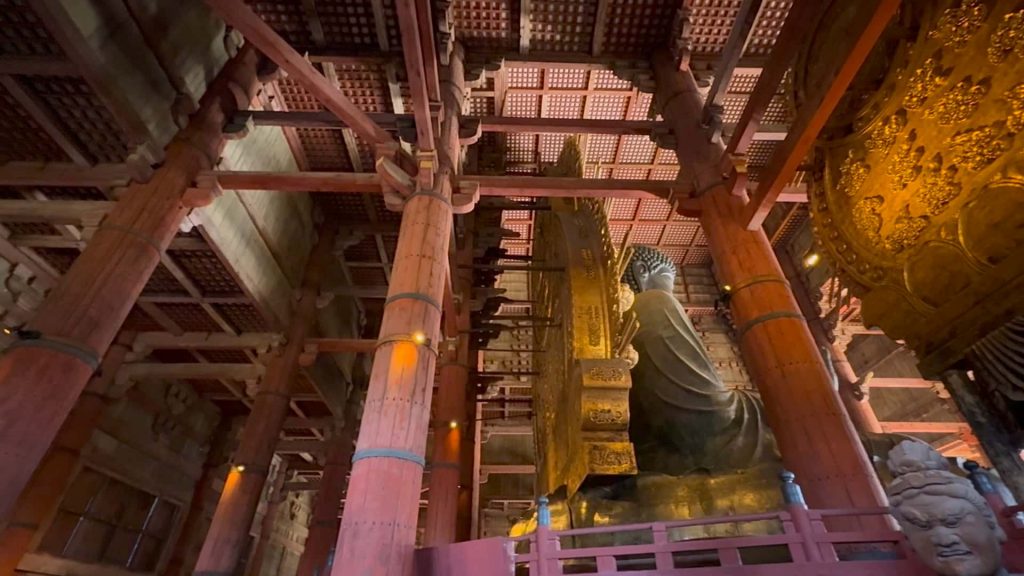
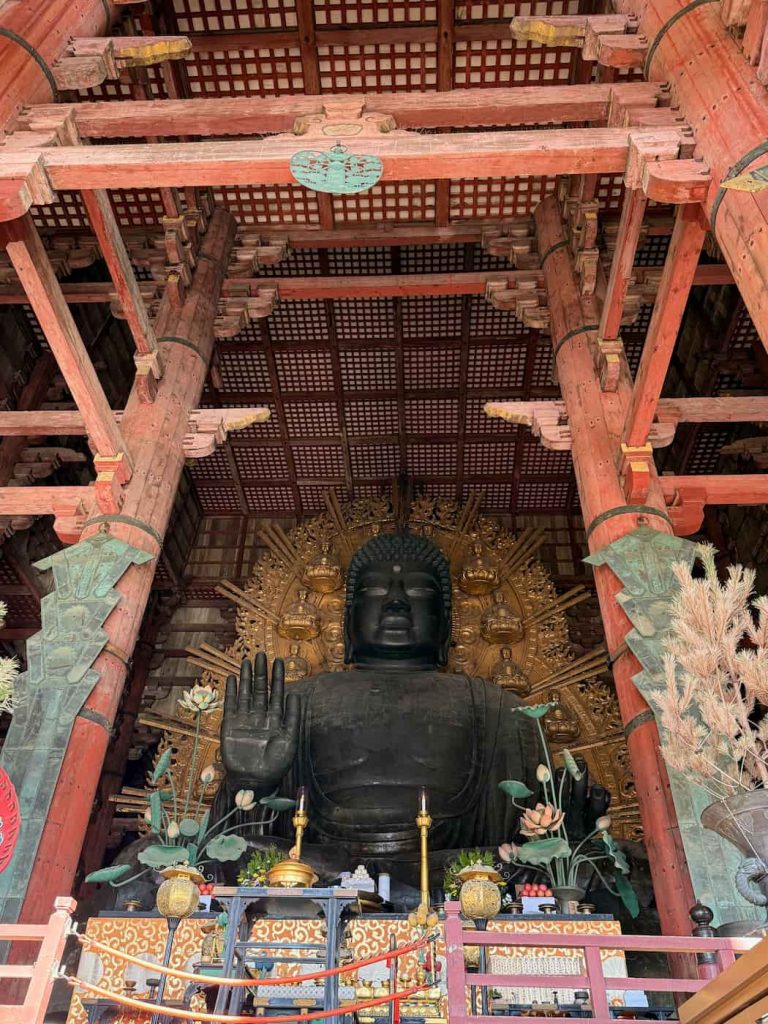
Tōdai-ji is the building that most impressed me with its Great Buddha Hall. The temple is a listed UNESCO World Heritage Site. The hall as it stands today is a reconstruction of 1709, and it is not the largest it has ever been, one can feel that in the proportions of the complex. But even reduced, it is an almost incomprehensible wooden structure: 57 metres wide, 50 metres deep, 48 metres tall with a construction system of bracket arms passing through columns, and horizontal tie beams binding the entire frame.
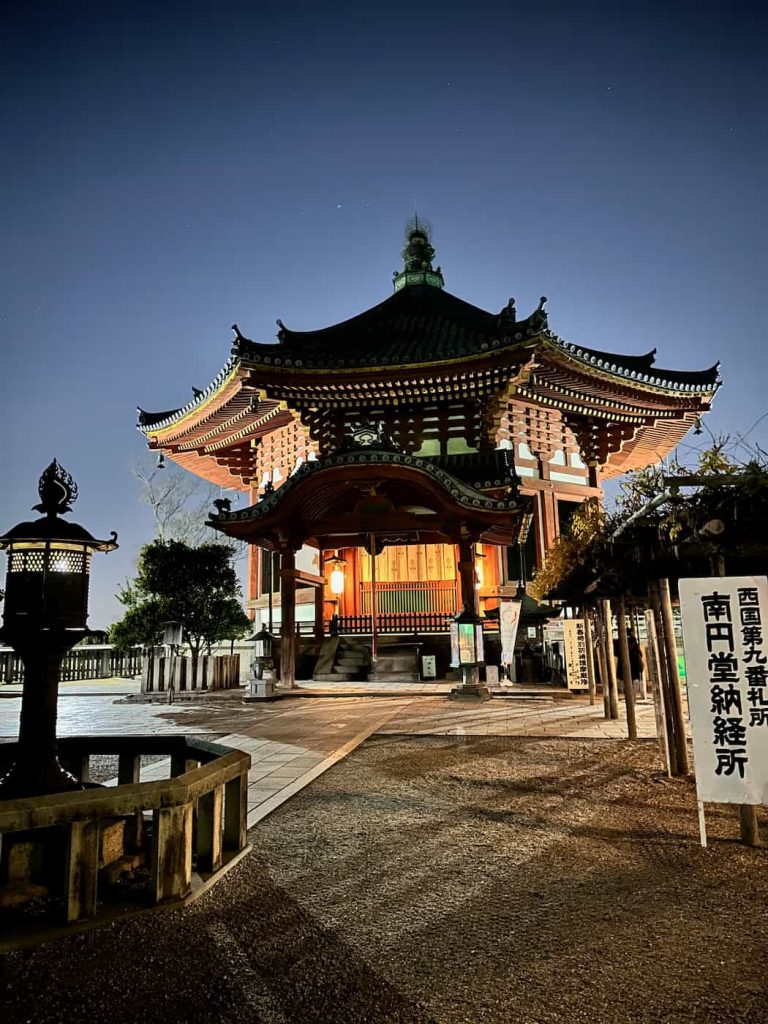
Hōryū-ji Temple is renowned as the oldest wooden structure in the world, dating back to the 7th century and showcasing exquisite ancient architecture and Buddhist art. The Saiin Garan is the most iconic part, housing the five-storey pagoda, the Main Hall (Kondō), and other ancient structures. The five-storey pagoda is one of the oldest wooden structures in the world, a masterpiece of early Japanese architecture.
Kasuga Grand Shrine, approached through the sacred deer park (be prepared to many deers saying hello), is the canonical Kasuga-zukuri shrine complex, its four honden aligned in a forest of stone and bronze lanterns.
Suggested
Arrive in Nara from Osaka or Kyoto. Begin at Tōdai-ji as early as possible (it opens at 7:30 AM), walk south through the park to Kasuga Taisha, spend the afternoon at Hōryū-ji, stay overnight and the following day just walk around the Naramachi district south of Kōfuku-ji that contains a well-preserved fabric of traditional machiya townhouses, with several converted into museums and cafés.
KOYA (KŌYA-SAN) The mountain monastery
Kōya-san is not a city but a settlement, a living monastic community perched at 800 metres in the mountains of Wakayama Prefecture, about two hours from Osaka by train and cable car that can also be reached walking the hill as ancient pilgrims used to. First settled in 819 by the monk Kūkai, Mount Kōya is primarily known as the world headquarters of the Kōyasan Shingon sect of Japanese Buddhism. Located on an 800-metre-high plain amid eight peaks of the mountain, the original monastery has grown into the town of Kōya.
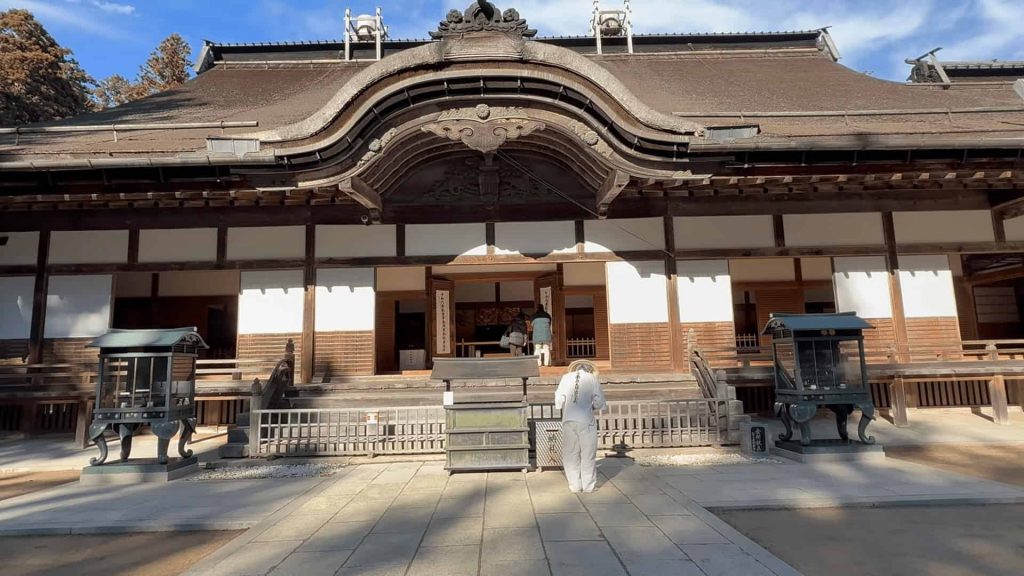
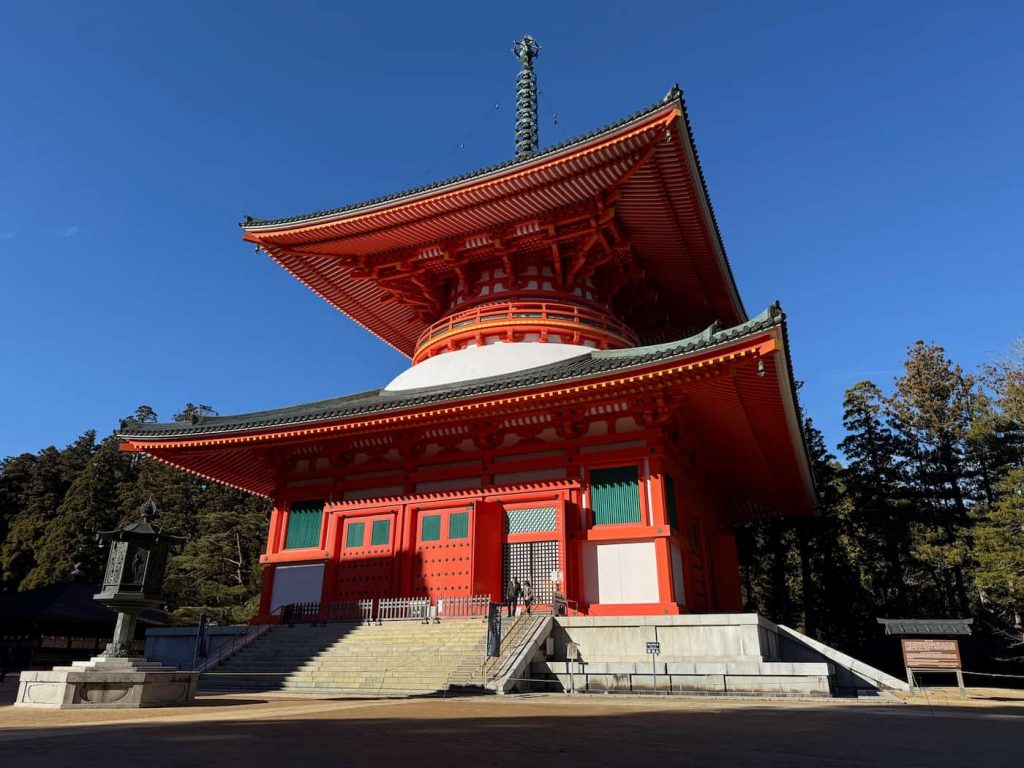
The central temple complex, Danjo Garan, was the first site Kobo Daishi built after founding Koyasan. It includes about 20 temples and smaller buildings, each with its own design and purpose. Kongobu-ji was originally the name of the whole community of temples but now refers to one particular temple which is the headquarters of Shingon Buddhism. Outside is Banryutei, Japan’s largest rock garden, which was created from stones brought from Kobo Daishi’s birthplace. Across the street, the Garan is a large compound with trees and various wooden buildings, where Kobo Daishi founded the original monastery. Konpon Daito (Great Pagoda) is the most important structure, with a 50-metre high stupa, painted in the distinctive Japanese vermilion colour, with four golden Buddhas inside.
I missed the Okunoin cemetery for lack of time. It is stretching for two kilometres through an ancient cedar forest to the mausoleum of Kōbō Daishi with over 200,000 memorial stones, lanterns, and mausoleums are arranged under the cathedral canopy of cedars, many of them centuries old and encrusted with moss.
Suggested
Stay overnight in a shukubō (temple lodging). You will be woken by bells before dawn for the morning service, the only way to experience the ritual use of the spaces. Walk the Okunoin cemetery at both dusk or dawn. Attend the goma fire ceremony at Kongobu-ji. Spend the afternoon exploring the Danjo Garan complex, paying particular attention to the relationship between the Konpon Daito stupa and the surrounding buildings and tree canopy. This is the most spiritually intense architectural environment I encountered in Japan.
OSAKA My last stop
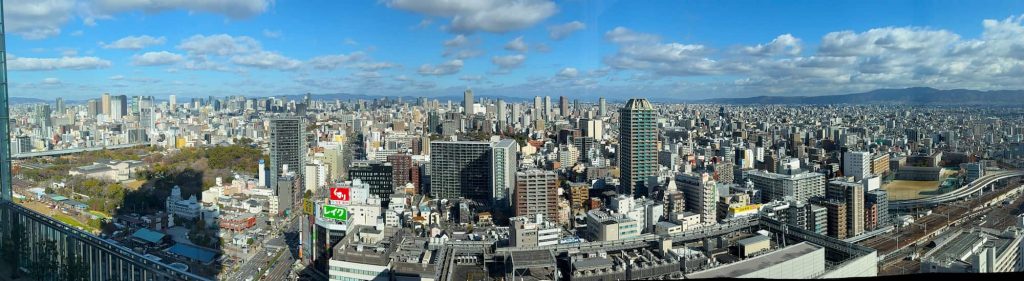
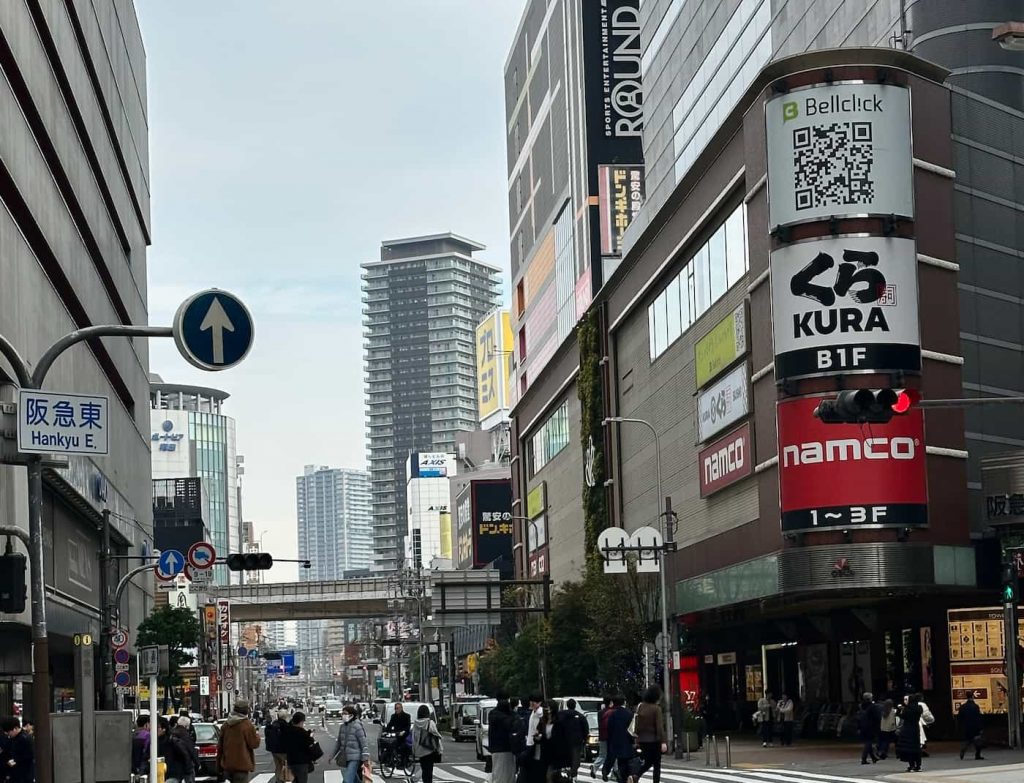
Osaka is Japan’s third city and its culinary and commercial capital, a place of extraordinary energy, generosity, and pragmatic intelligence. Where Kyoto looks inward (to tradition, to refinement, to discretion), Osaka looks outward to the world. Its traditional urban culture is that of the merchant rather than the aristocrat or the monk, and this difference can be felt socially and architecturally in everything from the scale and bustle of its street markets to the brashness of its commercial signage.
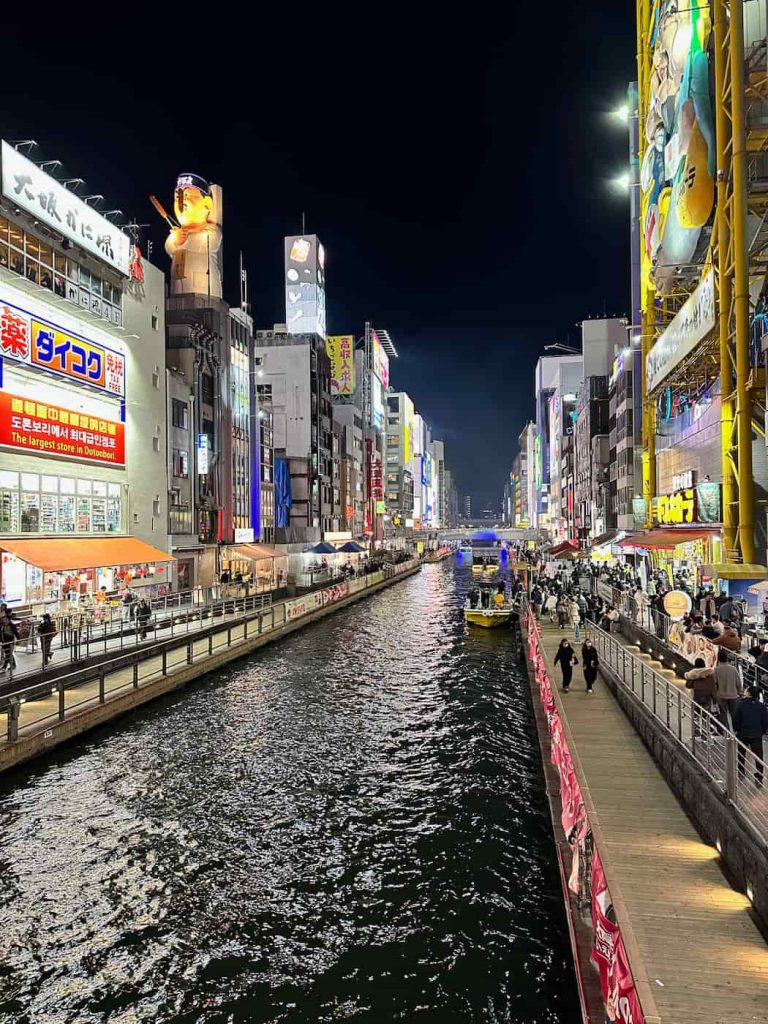
Osaka’s most architecturally interesting experiences are urban rather than monumental. The Shinsekai district built in 1912 on the model of Paris and New York’s Coney Island is a surviving fragment of early 20th century commercial urbanism, with its Tsutenkaku Tower and its dense fabric of kushikatsu restaurants and pachinkō parlours. Namba and Dotonbori are the living heart of Osaka’s merchant culture, the enormous mechanical crab of the Kani Dōraku restaurant, the animated signs, the cooking smells, a maximalist commercial architecture that is its real cultural expression.
Suggested
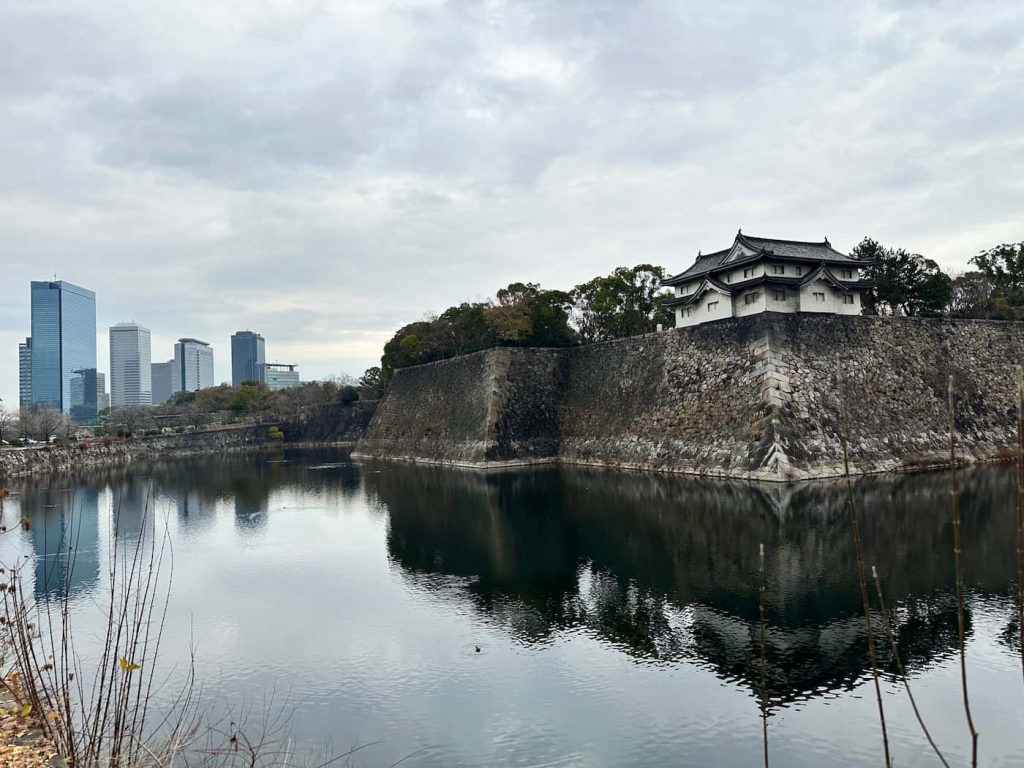
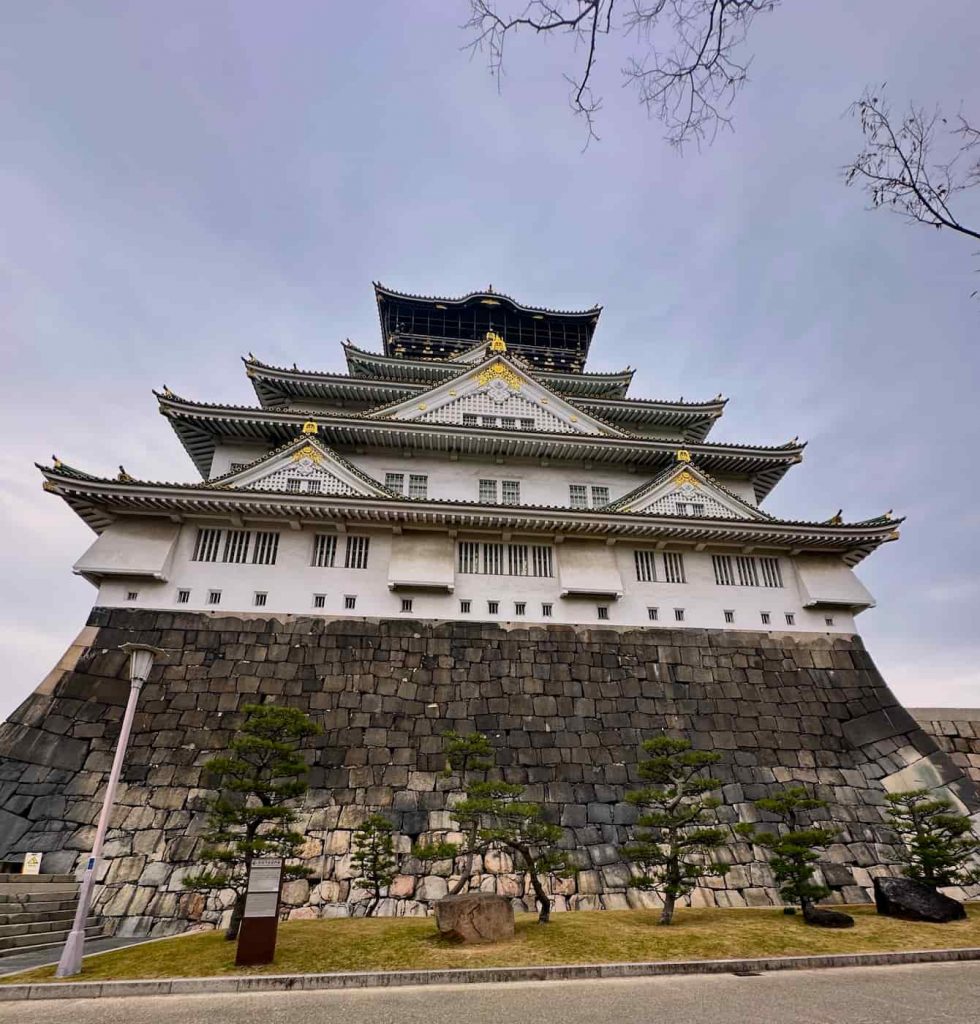
Start with Shinsekai for the surviving 20th century commercial architecture, spend the evening in Dotonbori, the sensory experience of this street at night, with its neon reflections in the canal and its extraordinary density of commercial activity, is an architectural experience of a different kind, visit the Sumiyoshi Taisha shrine at dawn one of Japan’s oldest, predating the Chinese influence on Shinto architecture, and built in the distinctive sumiyoshi-zukuri style with its characteristic tripartite plan and straight, unadorned roof ridges.
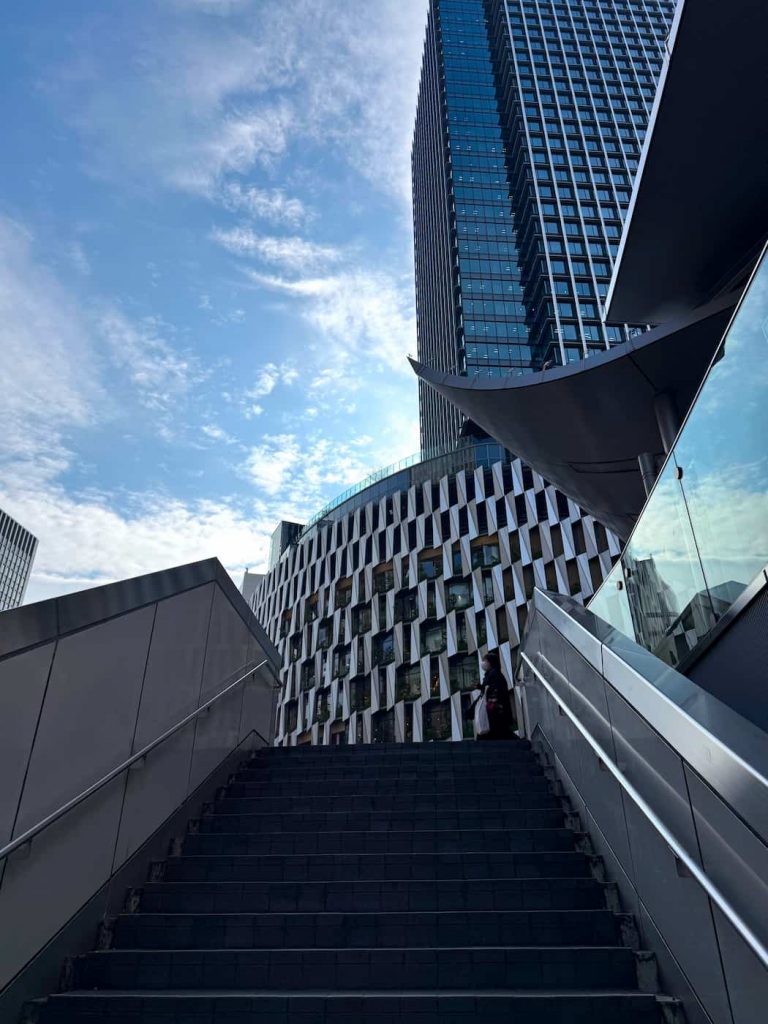
For contemporary architecture, Tadao Andō has produced several key works in the city: the Church of the Light in Ibaraki (30 minutes from central Osaka), the Water Temple on Awaji Island, and the Naoshima island projects.
Final thoughts
The Japanese architectural tradition does not pretend that buildings are eternal. It understands them as processes, things that grow, change, decay, and are renewed, like the natural world they are embedded in. Ise Jingū is rebuilt every twenty years; the gassho-zukuri farmhouses are re-thatched by community effort; the karesansui garden is raked every morning.
There are things I have chosen not to include here. The food, for instance remarkable not only for its quality but for its precision of presentation, whether in high-end restaurants or on the street. The covered markets, which in many cities form continuous, lived urban interiors, part infrastructure, part social space. The cities at night, when lights takes over and neon reflections layer themselves across façades and water, subtly rewriting the language of the streets and the signage from vertical posts to flooring and manhole covers design.
These omissions are deliberate as Japan offers far more than can be contained in a single narrative. Design is not limited to architecture but rather extends into every aspect of daily life, balancing simplicity and complexity, tradition and experimentation.