
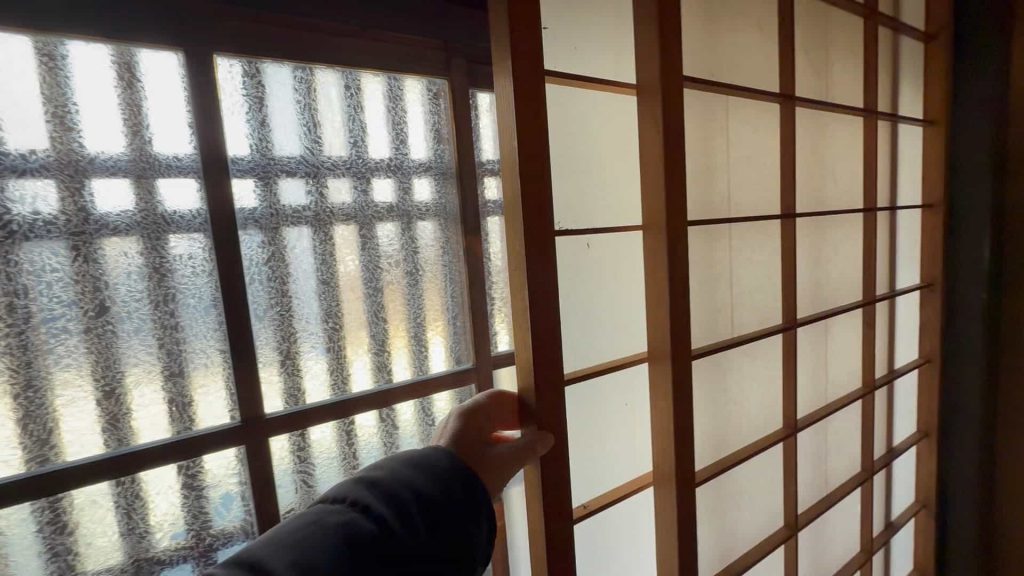
I spent a long afternoon in Kyoto in a machiya, a traditional townhouse that had been converted into a café. It was early December, and the air outside was sharp with cold, but inside, with the irori (a recessed area lined with stone or clay where a fire is maintained and above which, a suspended hook (jizaikagi) was used to hang a kettle or pot) and the latticed shoji (translucent sliding screens, typically made from a lightweight wooden lattice covered with washi paper) diffusing the winter light, time seemed to move differently. I kept thinking about the quality of that light: not bright, not dark, but intermediate, contemplative, the kind of light that makes you want to stay still and look. Jun’ichirō Tanizaki wrote about it in his essay “In Praise of Shadows”, the Japanese aesthetic of darkness, of the beauty that reveals itself slowly as the eye adjusts.
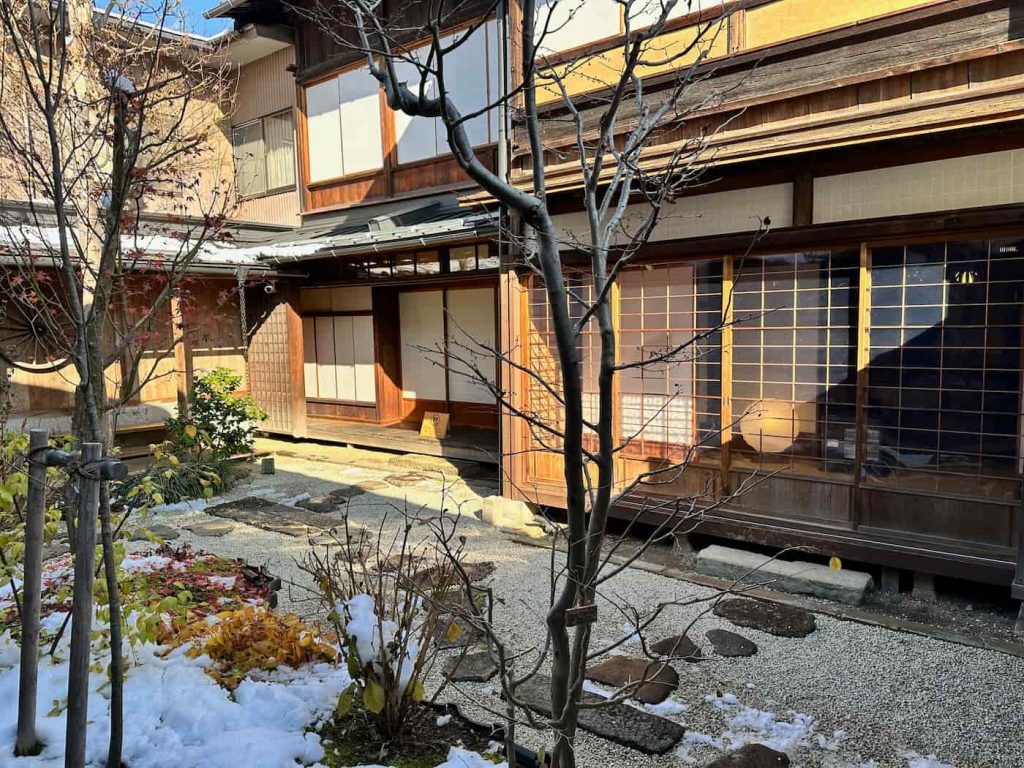
The traditional Japanese house thinks about impermanence, knows it will be modified and rebuilt, embraces flexibility over fixity, nature over artifice, and the quality of a single material over the quantity of many. It is also a deeply pragmatic architecture, an architecture of climate response, of social hierarchy, of economic constraint and profound beauty in its intelligence.
Key design principles
What defines the traditional Japanese house is not immediately visible in its form, but in the principles that organise it. These concepts developed over centuries, govern how space is proportioned, how views are constructed, and how the inhabitants move through the environment. They are subtle, often intangible, yet they shape the entire spatial experience.
Ma is the meaningful interval, the space between things that has its own presence, not emptiness but potential, not absence but pause. It appears in the spacing of columns, in the pause between notes in traditional music, in the interval between a question and its answer. Architecturally, it manifests itself in the proportion of rooms, the width of verandas, the width of threshold zones.
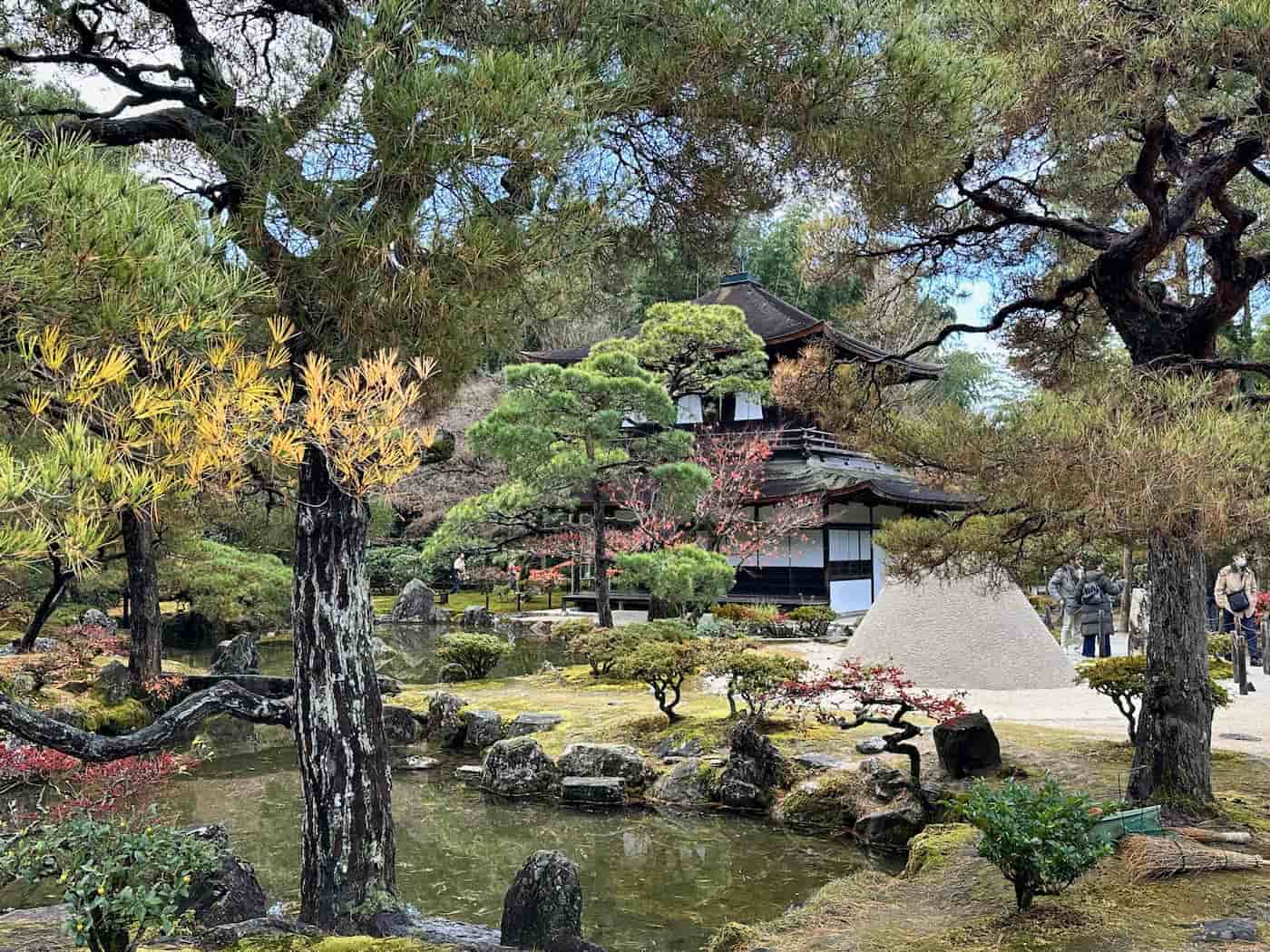
Shakkei (“borrowed scenery”) is the principle of framing the landscape as part of the composition of the garden and house. A mountain glimpsed through a carefully pruned tree, a distant temple roof visible from the garden, these are not accidents but designed views, incorporated into the experience of the house as deliberately as any interior detail.
Miegakure (“show and hide”) is the principle of partial concealment that creates curiosity and the desire to continue. Japanese spatial sequences never reveal everything at once: a gate screens the house from view, a bend in the path delays the arrival at the garden, a shoji screen suggests rather than shows. Architecture is a series of revelations over time.
Wabi is the beauty of imperfection, incompleteness, and transience found in the cracked plaster wall, the moss on the stone, the knot in the timber, these are not defects to be remedied but qualities to be appreciated. Wabi is deeply embedded in Japanese domestic aesthetics, informing the selection of materials, the acceptance of ageing, and the celebration of the handmade.
Orientation and climate response
The plan of the house is inseparable from its environmental context. Orientation is carefully considered, often privileging southern exposure to maximise winter sunlight while deep eaves mitigate overheating in summer. In winter, the house contracts. Sliding panels are closed, and activity centers around heated elements such as the irori or the kotatsu (a low table with a heat source beneath it). These localised heating strategies reflect an acceptance of seasonal variation rather than an attempt to homogenise interior climate.
A key element is the engawa, a narrow, continuous veranda that runs along the perimeter of the house. This space is neither fully inside nor outside; it acts as a climatic buffer, mediating temperature, light, and airflow. From the engawa, one can look out onto the garden, which is not treated as a separate entity but as an extension of the interior.
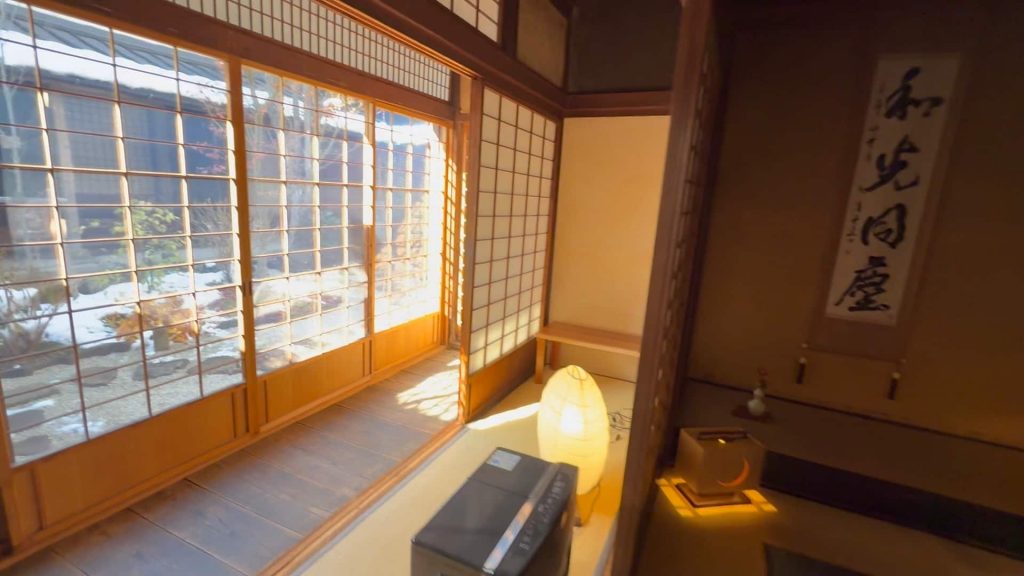
The deep overhanging eave is the primary climate device: its angle is calibrated to admit the low winter sun while shading the interior from the high summer sun, a passive solar device of extraordinary elegance. The engawa provides a further buffer zone that modulates the thermal relationship between inside and outside.
The Archetype, a house defined by modules and thresholds
The traditional Japanese house, broadly referred to as minka (literally “people’s house”), is less a singular type than a flexible archetype built on a consistent set of principles. At its core lies a modular system based on the post-and-beam frame, the system of screens, and the tatami module, whose standardised proportions govern the dimensions of rooms and, by extension, the entire plan.
The Post-and-Beam Frame
The Japanese house relies on wood as the primary building material, using advanced construction methods and nail-free joinery. The structural system is a post-and-beam frame: vertical columns (hashira) support horizontal beams (hari) and purlins, with the joints made by complex mortise-and-tenon connections that are both strong and slightly flexible which is good for earthquake areas.
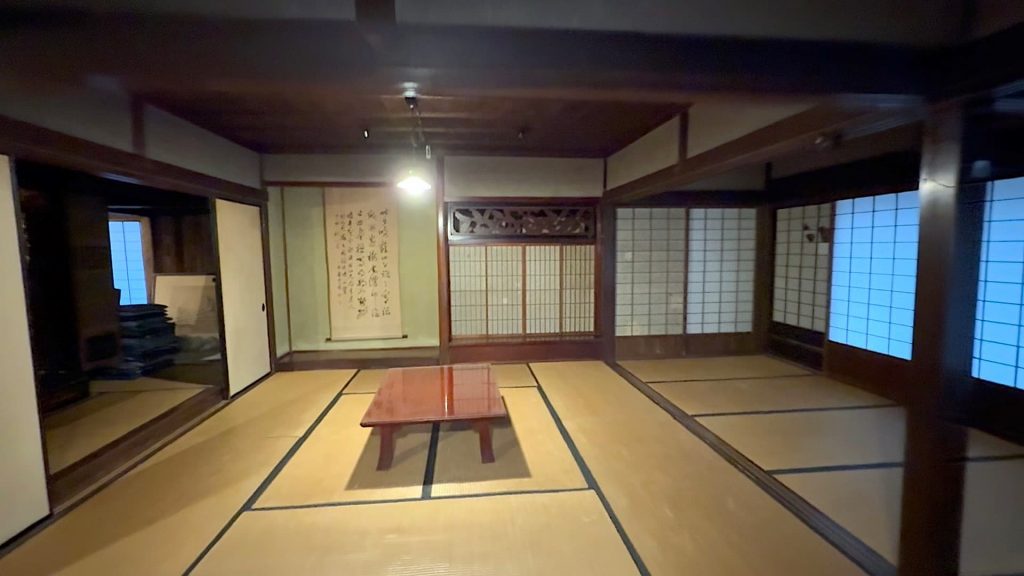
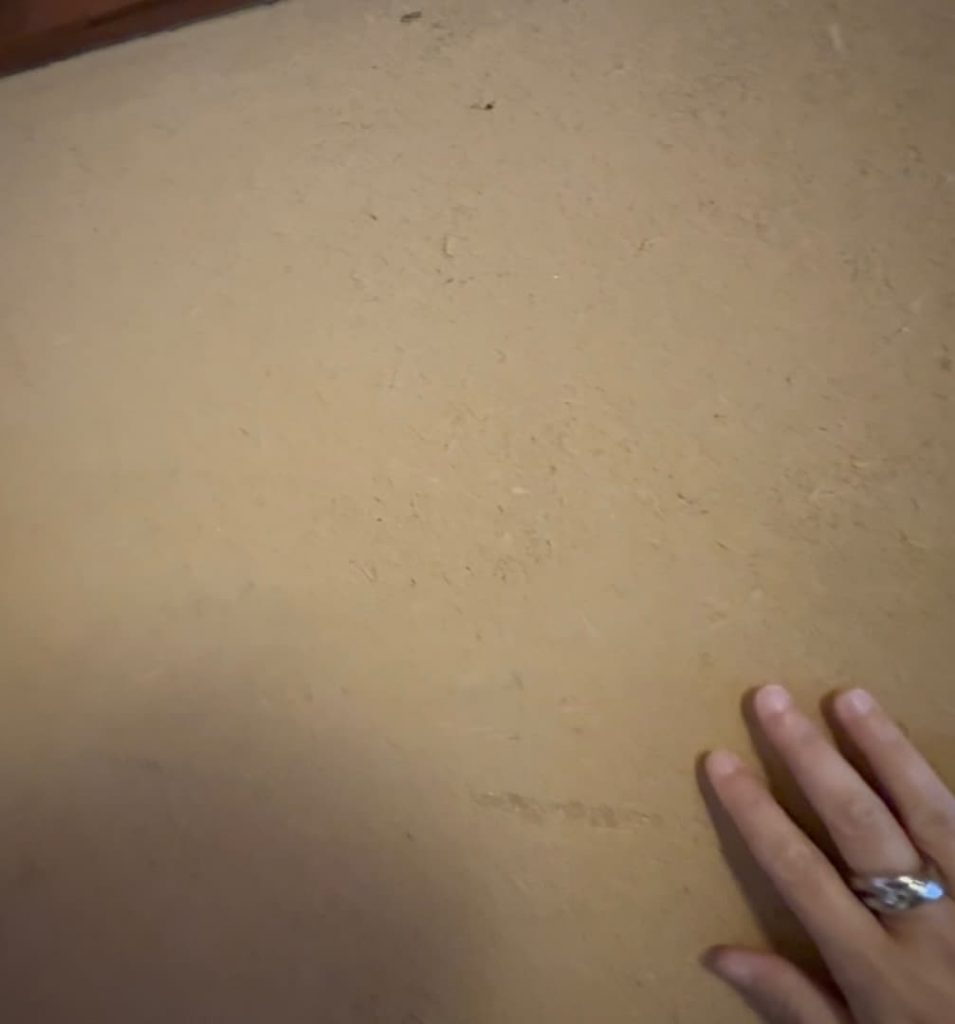
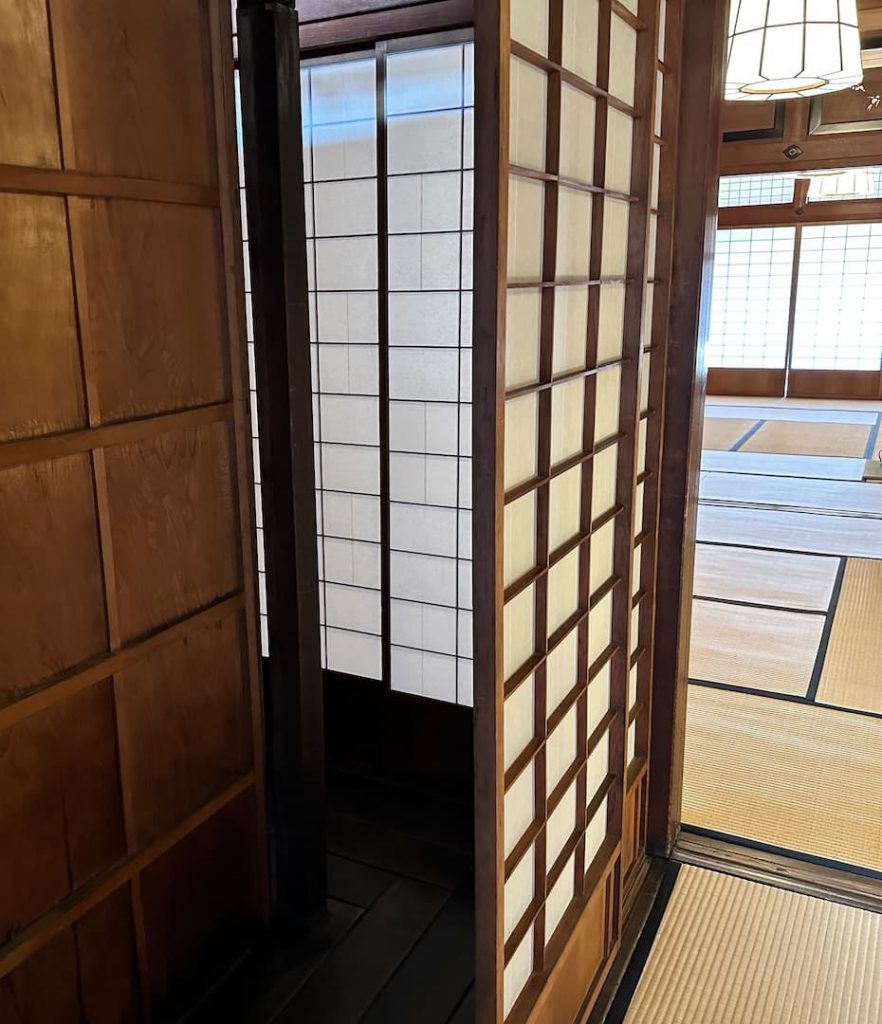
Because the structure is a complete frame, independent of the walls, the walls carry no load and this is the fundamental condition that makes the Japanese house so spatially flexible: the infill between the posts can be almost anything, solid plank, plaster, shoji, fusuma, or nothing at all. The columns are typically set on stone footings (rather than being buried in the ground), which allows the timber to breathe rather than rot, and the floor is raised off the ground, a practice inherited from ancient granary design that provides ventilation beneath and creates a clear threshold between inside and outside.
The Tatami Module
Tatami mats are composed of a rice straw core covered with a surface of woven rush (igusa), with cloth edges (heri). They are fragrant when new, gradually yellowing with age, and they require periodic replacement (typically every few years for the surface covering). The tatami floor is the primary social surface of the Japanese house: you sit on it, sleep on it, eat on it. You remove your shoes at the genkan (entrance threshold) and step up onto the tatami level, a gesture that simultaneously marks the transition from outside to inside and from the public to the intimate domain.
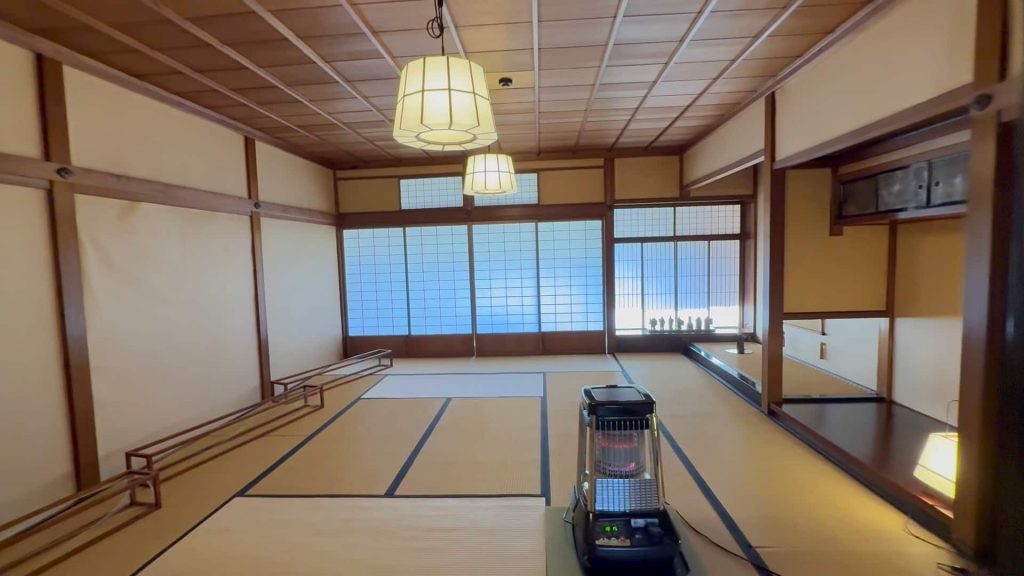
These mats serve as more than mere flooring, they are the fundamental unit that defines space in traditional Japanese homes. A standard tatami mat measures approximately 180 cm × 90 cm, though this varies regionally, for example Kyoto tatami are larger than Tokyo tatami). The entire floor plan of a traditional Japanese house is laid out on a grid derived from this module. The module creates a rigorous dimensional order, room sizes are described in tatami: a four-and-a-half tatami room (yojōhan), a six tatami room, an eight tatami room.
The System of Screens
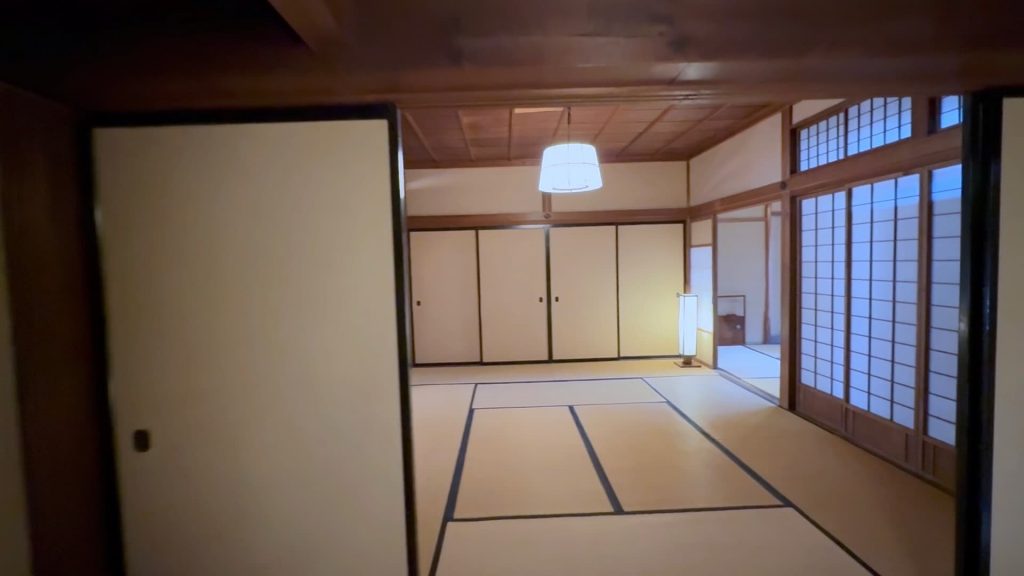
The walls of the traditional Japanese house are largely composed of sliding screens of two kinds: shoji and fusuma. The shoji is a latticed wooden frame covered with translucent washi paper that allows light to pass while obscuring view, creating the characteristic diffused luminosity. Shoji slides in wooden tracks and can be fully opened to dissolve the wall between inside and outside, or closed to create enclosure and warmth. The fusuma is an opaque sliding panel, typically made of multiple layers of washi over a wooden frame, and covered with painted or plain paper or fabric. Fusuma are the room dividers of the Japanese house that define rooms when closed and eliminate them when open.
Structure and materials
Structurally, the house follows the same timber logic observed in temples, though often in a more restrained form. A post-and-beam framework supports the roof, with joinery techniques that allow for both precision and flexibility. Columns are typically placed at regular intervals, corresponding to the tatami grid, creating a coherent relationship between structure and space. The absence of nails means that buildings can be disassembled, repaired, and even relocated—an important consideration in a country historically prone to natural disasters.
Materials are almost entirely local. Timber, often cedar, pine, or cypress, is used for the structural frame. Walls, where they exist, are composed of earth plaster over a bamboo lattice, providing both insulation and breathability. Roofs may be covered with thatch, wooden shingles, or tiles, depending on the region and family status. Hinoki (Japanese cypress) and sugi (Japanese cedar) are the preferred structural timbers, hinoki for its extraordinary durability and fragrance, sugi for its straight grain and ease of working. Bamboo appears in ceiling lattices, in window screens, in drainage details. Washi (handmade Japanese paper) is used for shoji screens. Clay and straw are used for earthen walls. Every material is chosen for its performance characteristics and its aesthetic character together.

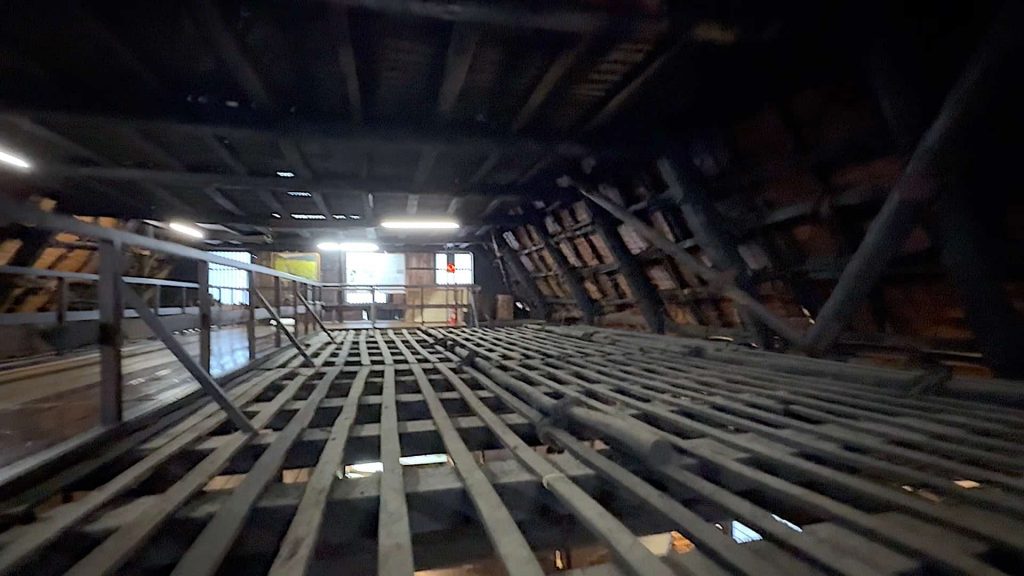
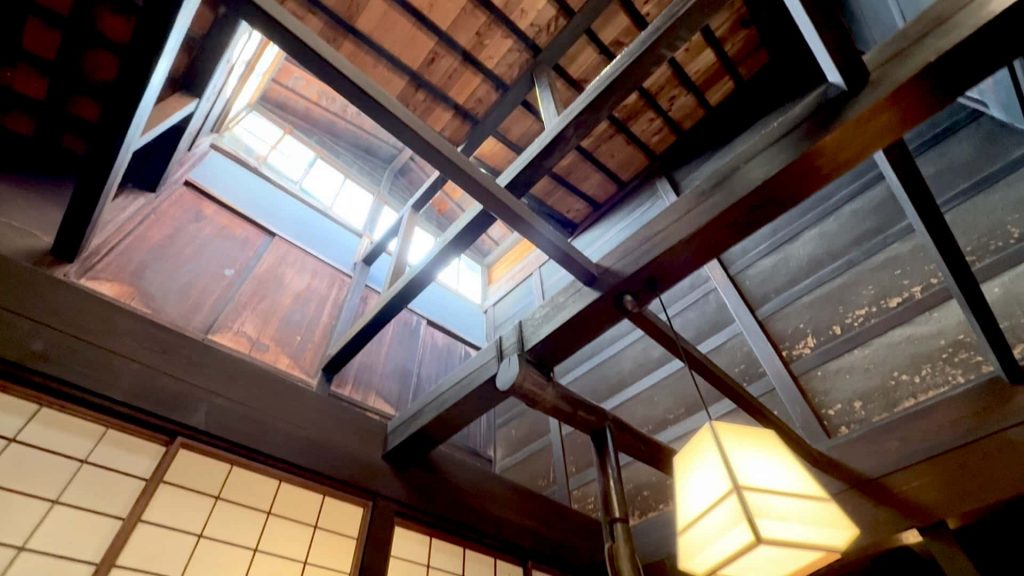
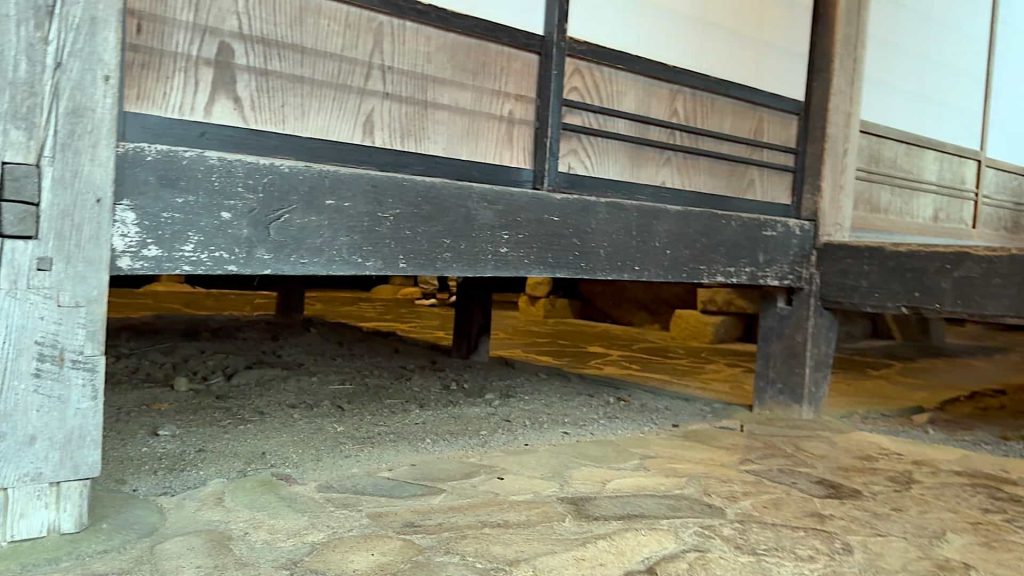
The use of natural materials is not only pragmatic but aesthetic. Surfaces are left unfinished or minimally treated, allowing them to age and develop character over time. This process of weathering is not seen as deterioration but as an integral part of the building’s life.
Plan, threshold, and the sequence of spaces
A traditional Japanese house has no fixed plan in the Western sense: the fusuma can be rearranged to create a large single space for a gathering, or divided into multiple small rooms for sleeping. This system means that the traditional Japanese house is fundamentally a flexible, seasonal, time-based architecture, the house is not a fixed container but a process that changes with the seasons, the time of day, and the social occasion.
Having said that, walking into a traditional Japanese house, you move through a spatial sequence that structures the social hierarchy of domestic life:
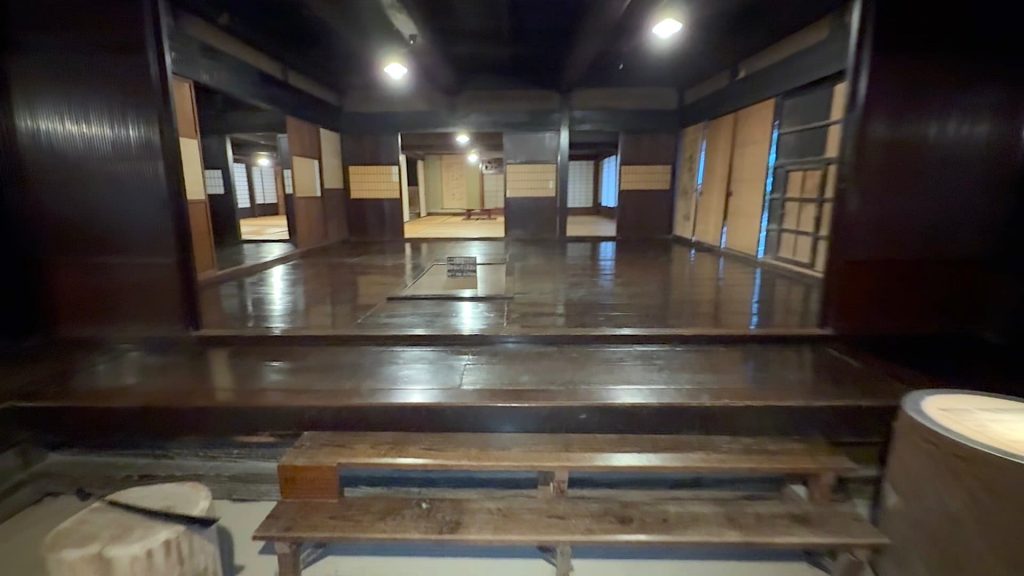
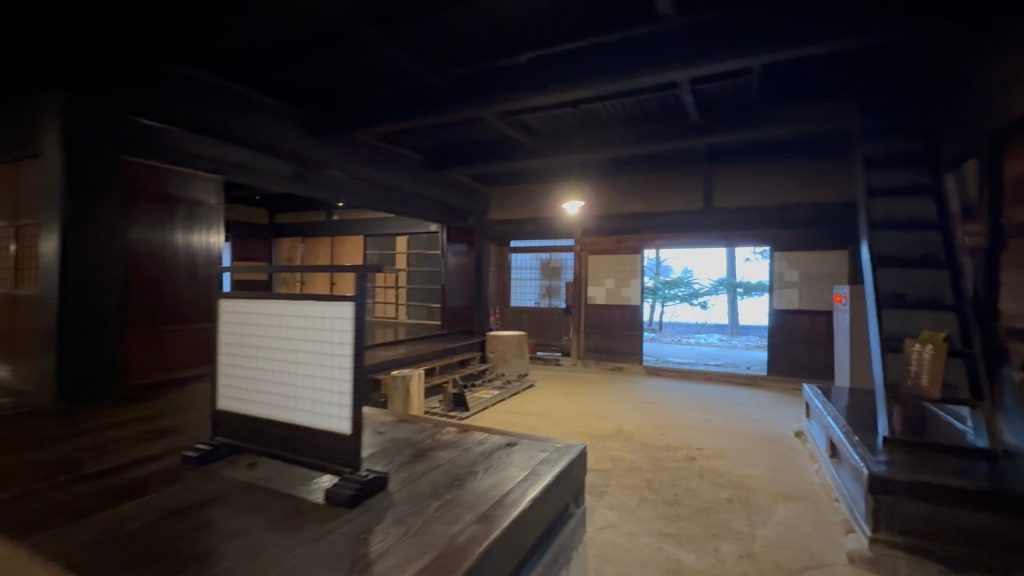
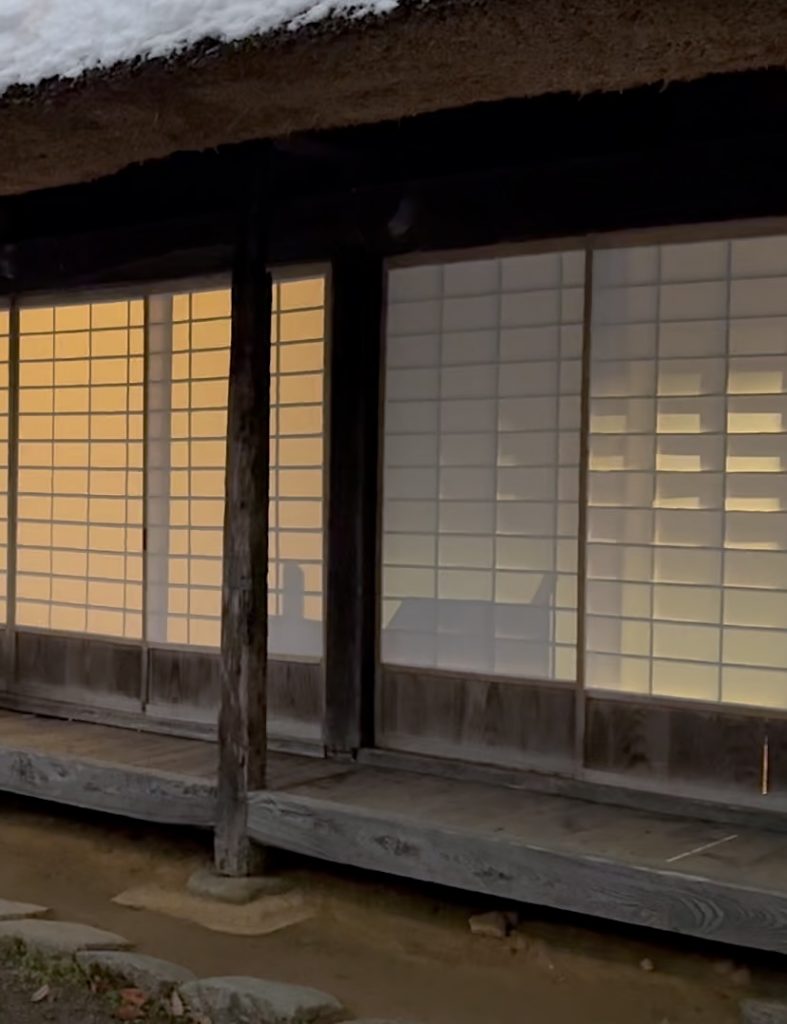
Genkan is the entrance threshold, where outdoor shoes are removed and exchanged for indoor slippers. The genkan is typically a small, hard-floored zone at a lower level than the raised interior. Its design ranges from a simple earth-floored passage in farmhouses to an elaborately tiled, formally arranged antechamber in wealthy samurai or merchant residences.
Doma in rural farmhouses, is the earthen-floored zone at the entrance level, used for agricultural work, cooking, and animal shelter. The doma is the functional heart of the farmhouse, where the irori is often located and where most of the daily domestic labour takes place. It is the unroofed interior, the building’s memory of the outdoors.
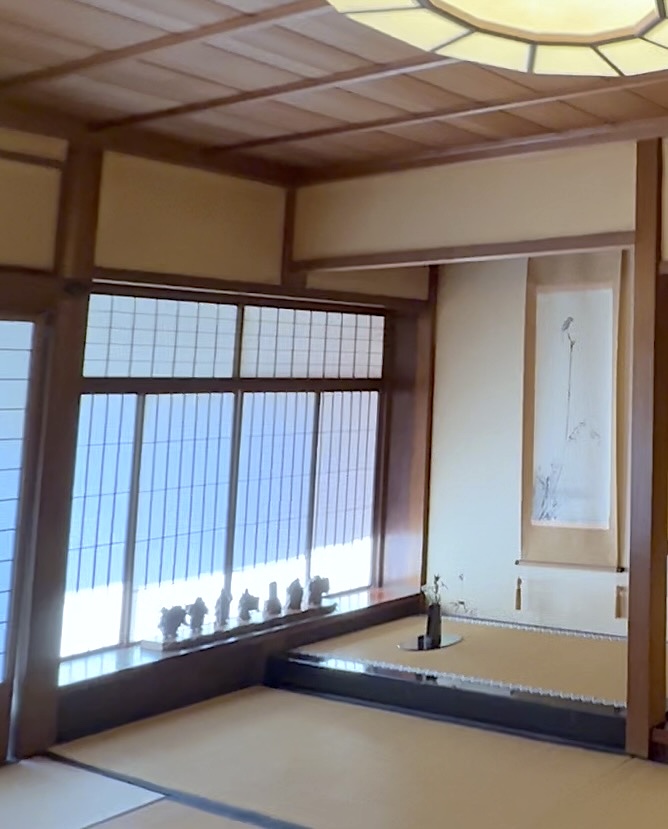
Zashiki is the formal reception room, almost always tatami-floored and featuring the tokonoma, a decorative alcove where a hanging scroll and a flower arrangement are displayed in combination, the tana (shelving unit), and the shoin (desk alcove with a window above). The zashiki is the most aesthetically charged room in the house, it is where guests are received and where the household’s cultural aspirations are made visible.
Tokonoma is a shallow niche, typically one tatami mat wide and half a tatami deep, with a slightly raised floor, a plastered back wall, and a beam defining its upper boundary where art is located, a single hanging scroll (kakejiku), a simple flower arrangement (ikebana), perhaps a ceramic object are positioned. For the Japanese house, this small space embodies the principle that art is not decorative but structural, it holds the space together.
Engawa is the veranda, a transitional space between the interior and the garden, typically a metre or so wide, running along the exterior face of the tatami rooms. The engawa is neither inside nor outside: it is floored in polished wood rather than tatami, it is partially sheltered by the overhanging eave, and it provides a place to sit, look at the garden, and simply be in that intermediate zone. In the summer, when the fusuma and shoji are fully opened, the engawa effectively becomes part of the interior; in winter, with the screens closed, it becomes a buffer zone between the warmth of the tatami rooms and the cold of the garden.
Typologies and regional variations
Economic status influences the scale and refinement of houses, but not necessarily their fundamental organisation. Both modest and affluent dwellings relied on the same underlying principles: modular planning, flexible spaces, and timber construction. What differs is the degree of elaboration. Wealthier homes might include dedicated reception rooms, more finely crafted joinery, and decorative elements such as tokonoma, a recessed alcove used to display art or calligraphy. Poorer houses, by contrast, ae more utilitarian, often combining living and working spaces under a single roof. Yet even in the simplest dwellings, the essential spatial logic remains intact. This continuity suggests that the strength of the system lies not in its ornamentation, but in its adaptability.
While the term minka encompasses a wide range of houses, several distinct typologies emerge, shaped by geography, climate, and social structure.
Minka (民家) — The Folk House
Minka, or “house of the people,” were houses built using any of the traditional Japanese building styles. Japanese society was divided into four groups: farmers, artisans, merchants, and the samurai class. The minka dwellings were initially for the non-samurai castes or low-level samurai. Minka homes are generally classified as nōka (farmhouses), machiya (townhouses), gyoka (fishermen’s dwellings), and sanka (mountain dwellings).
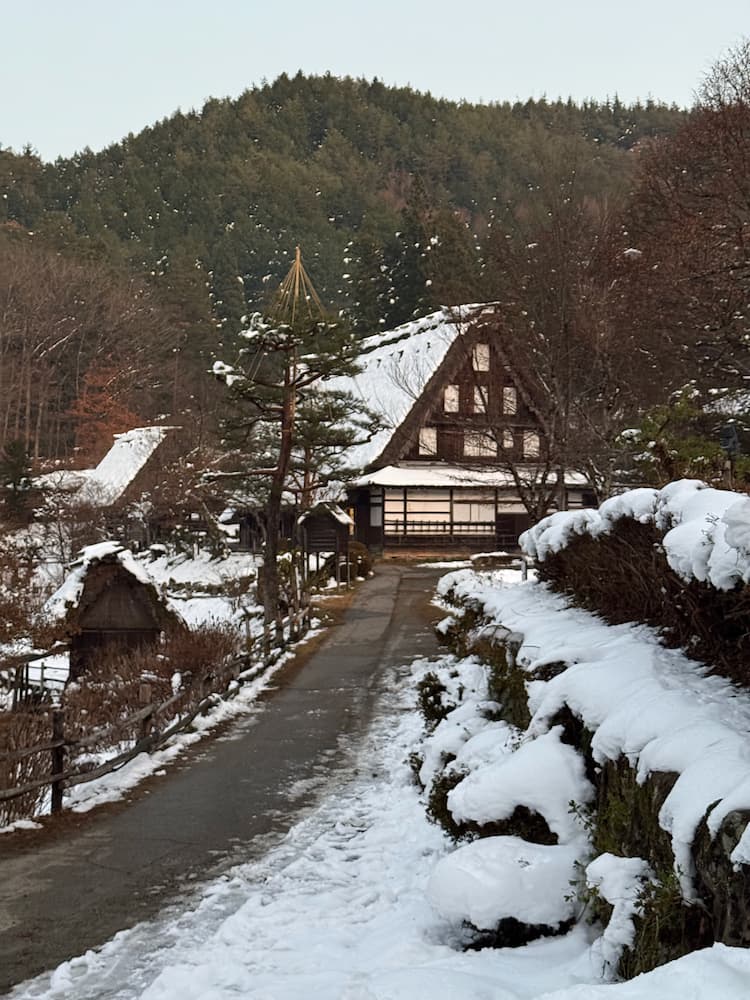
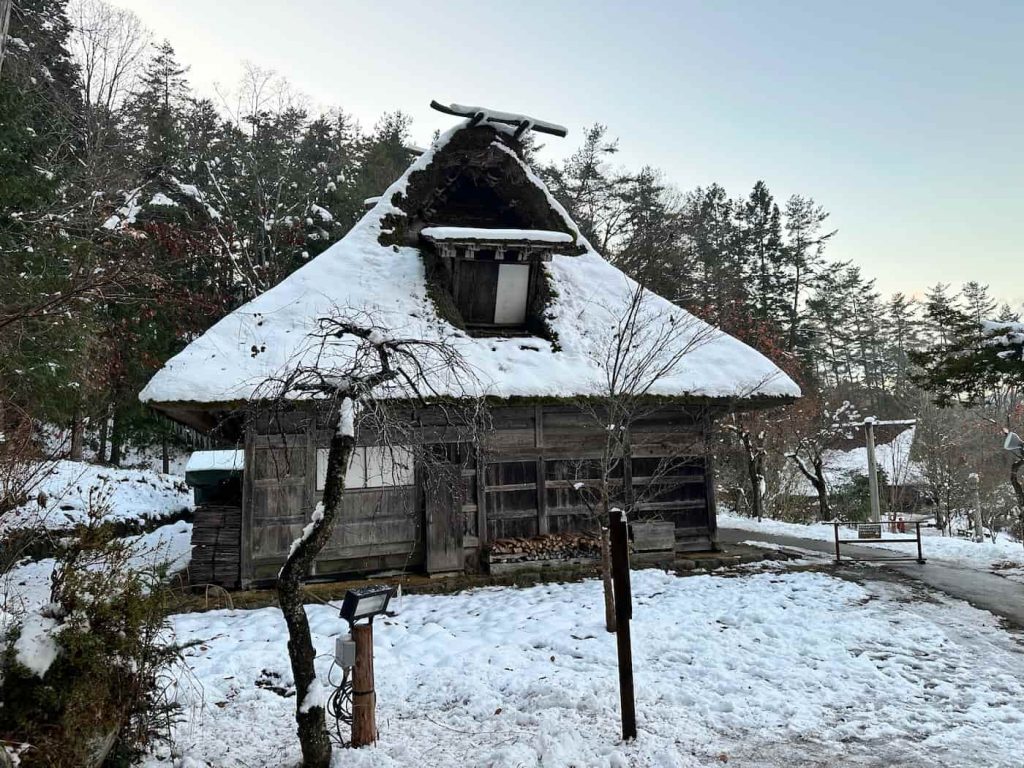
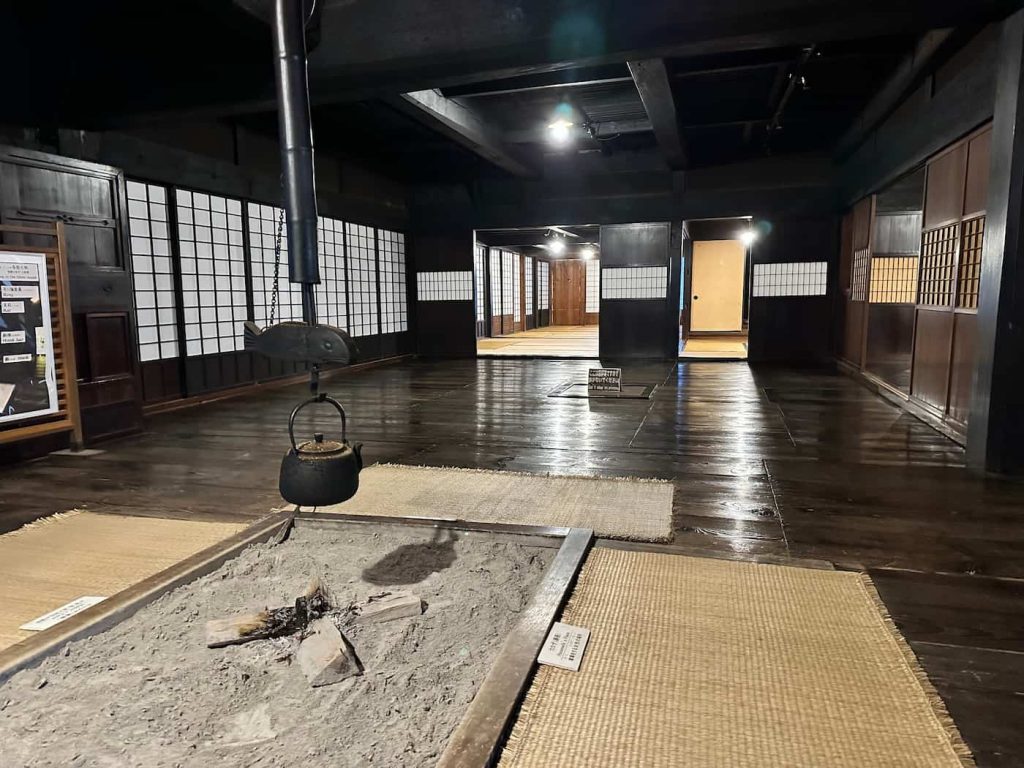
The nōka, the rural farmhouse, is the most architecturally varied of these types, because it adapted to the extraordinary climatic and geographic diversity of Japan. The interior of a nōka is organised around the doma and the irori, the raised tatami area for sleeping and receiving is always clearly distinguished from the earthen-floored working zone. The irori is both functional (cooking, heating) and social (the family gathers around it) and structural (the smoke it produces cures the thatch and the timbers above, dramatically extending their life).
Machiya (町家) — The Urban Townhouse
Machiya are the narrow, deep townhouses found in cities like Kyoto. Their compact street-facing facades gave way to surprisingly deep interiors organised around small courtyard gardens (tsuboniwa) that provided light and ventilation. The front room typically served as a shop, with living quarters behind. A machiya usually had a narrow front, deep interior, and a courtyard garden (tsuboniwa) to provide light and air circulation. This clever plan reflected both taxation rules and environmental adaptation, taxes were assessed based on the width of the street frontage, so merchants minimised this width and maximised depth.
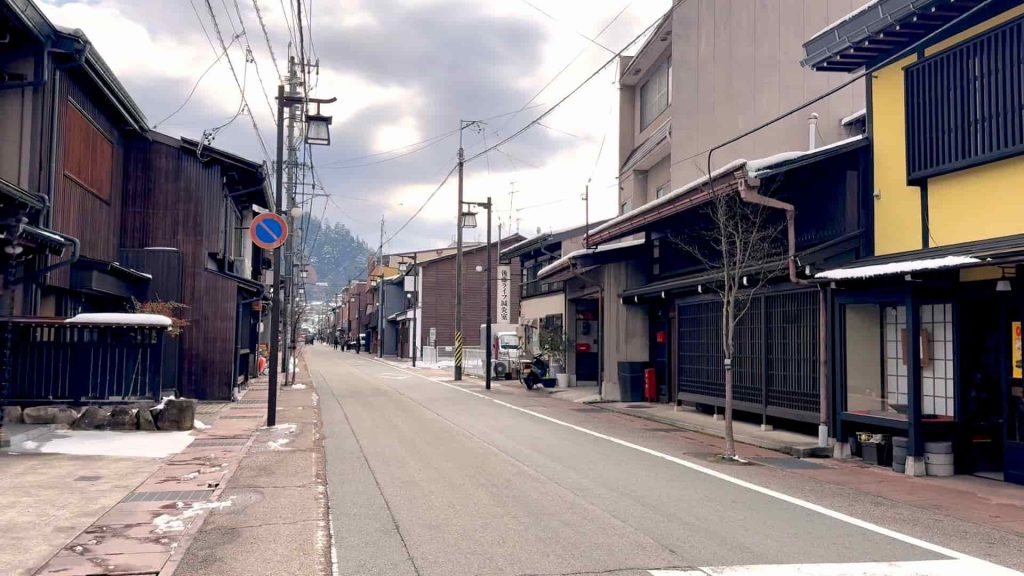
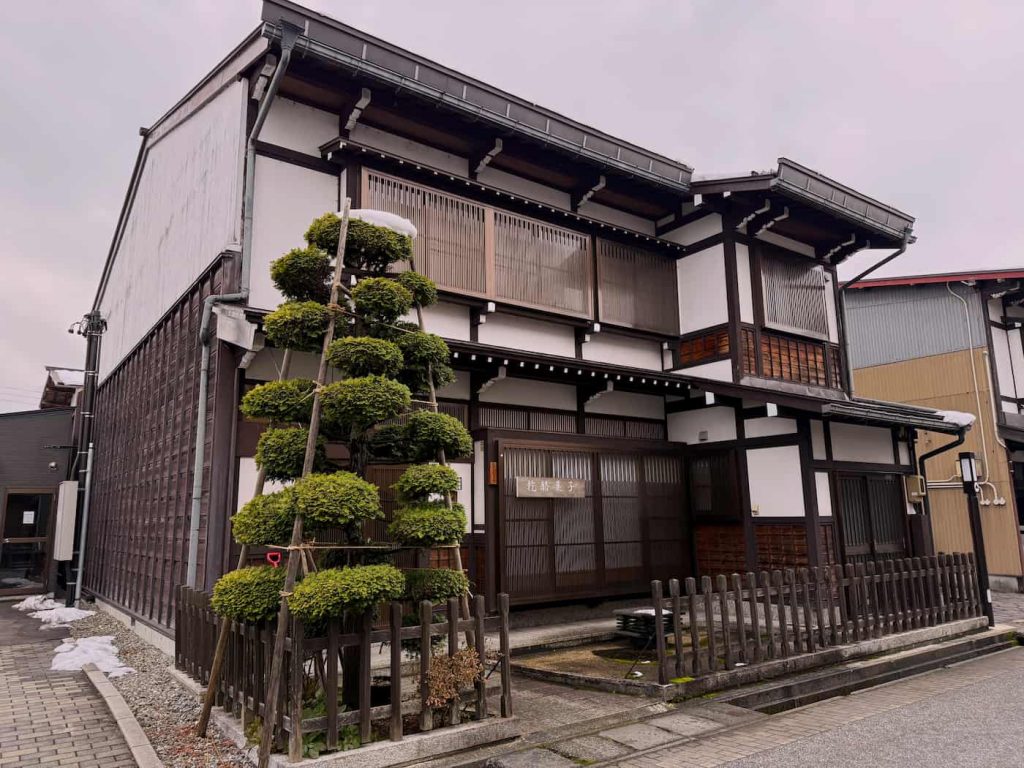
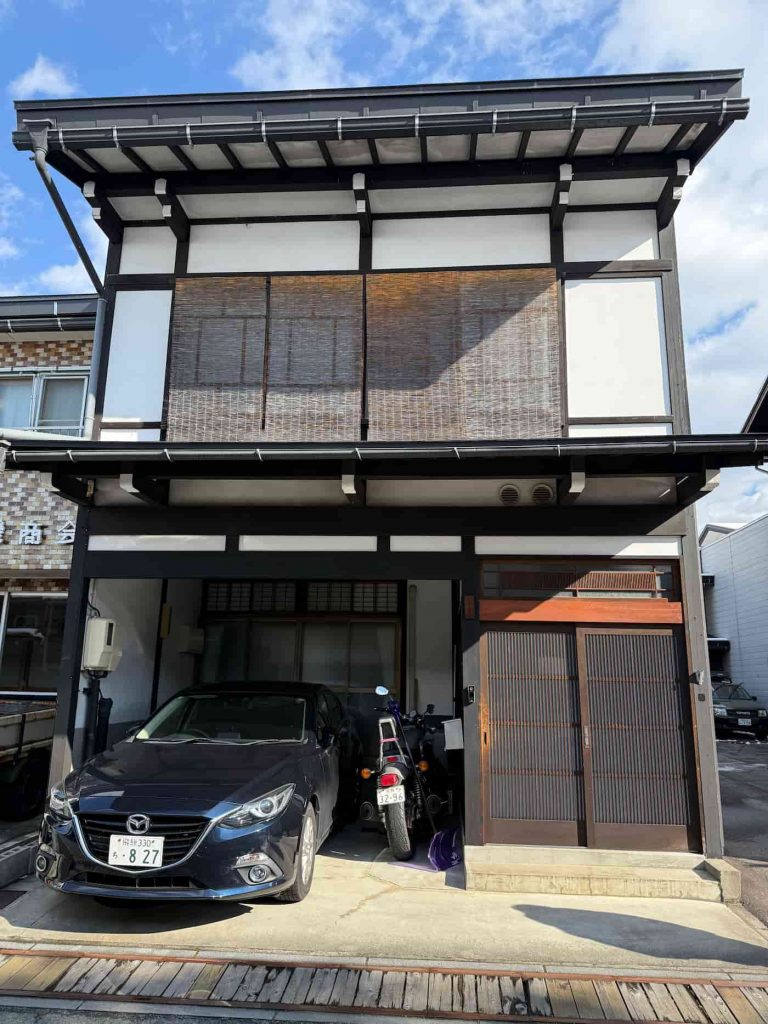
Walking along the old streets of Kyoto’s Gion district or the merchant quarters of Kanazawa or Takayama, you see these narrow fronted buildings repeating in sequence, their wooden lattice facades creating a rhythm of visual richness. Inside, the plan opens up progressively: shop at the front (mise no ma), then an inner room (naka no ma), then the main living quarters (oku no ma), then the garden (tsuboniwa), then perhaps a storehouse (kura) at the rear. The tsuboniwa, the small courtyard garden, is a masterpiece of compressed landscape design, bringing light and nature into a building that is otherwise landlocked by its neighbours on both sides.
Shoin-zukuri (書院造) — The Aristocratic Style
With the rise of the samurai, the shoin-zukuri style emerged. It featured tatami flooring throughout, fixed sliding doors, and formal alcoves for displaying a hanging scroll or flower arrangement. The shoin-zukuri is the residential style of the upper classes, samurai lords, daimyō, and the aristocracy, and it represents the most fully elaborated version of the Japanese domestic interior. Every element is precisely specified: the tokonoma, the tana (shelving), the shoin (the window-lit desk alcove that gives the style its name), and the formal arrangement of rooms in hierarchical sequence. Nijō Castle in Kyoto contains some of the finest extant shoin-zukuri interiors.
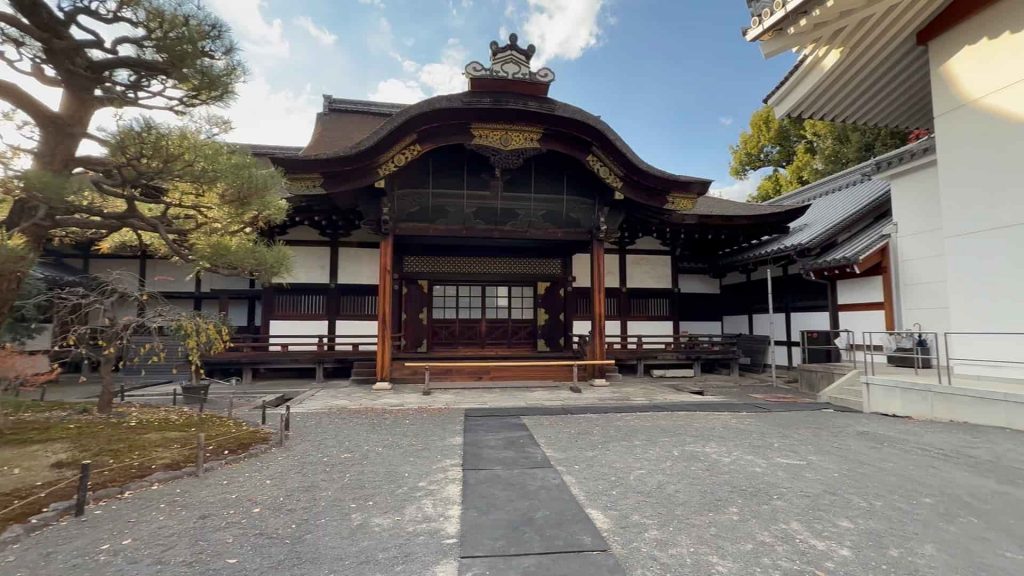
Sukiya-zukuri (数寄屋造) — The Tea-Influenced Style
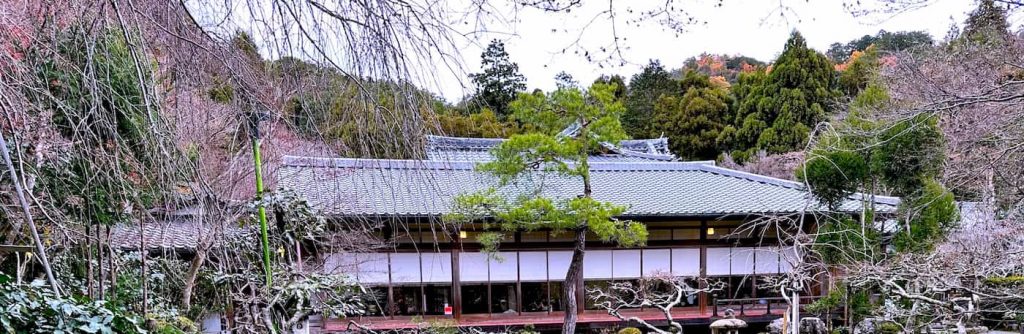
The sukiya-zukuri emerged from the influence of the tea ceremony and its architecture (the chashitsu) on residential design, it is informal, intimate, and deliberately rustic in its refinement. Natural timber posts (sometimes left with their bark, or deliberately bent and gnarled); irregular stone floors; rough plaster walls; the deliberate use of “imperfect” materials, are characteristics of sukiya aesthetic. Katsura Imperial Villa in Kyoto is the supreme masterpiece of this sensibility.
Other traditional building types: the ryokan and the chashitsu
Two building types sit slightly outside the purely domestic typological map but are so intimately related to the house, architecturally and culturally, that it would be a real omission to leave them out. They are the ryokan and the chashitsu, and between them they represent the Japanese house at its most distilled: one a collective, hospitable version of the domestic interior, the other a radical reduction of it to its irreducible minimum.
Ryokan (旅館) — The Traditional Inn
The ryokan is, structurally and spatially, the minka or machiya typology pushed to its most complete expression as a total environment for living. What distinguishes it from other typologies is not a different architectural grammar but a different programme: where the private house is organised around family hierarchy and daily domestic rhythm, the ryokan is organised around the ritual of the guest’s stay / arrival / bathing / dining / sleeping, and every spatial decision follows from that choreography.
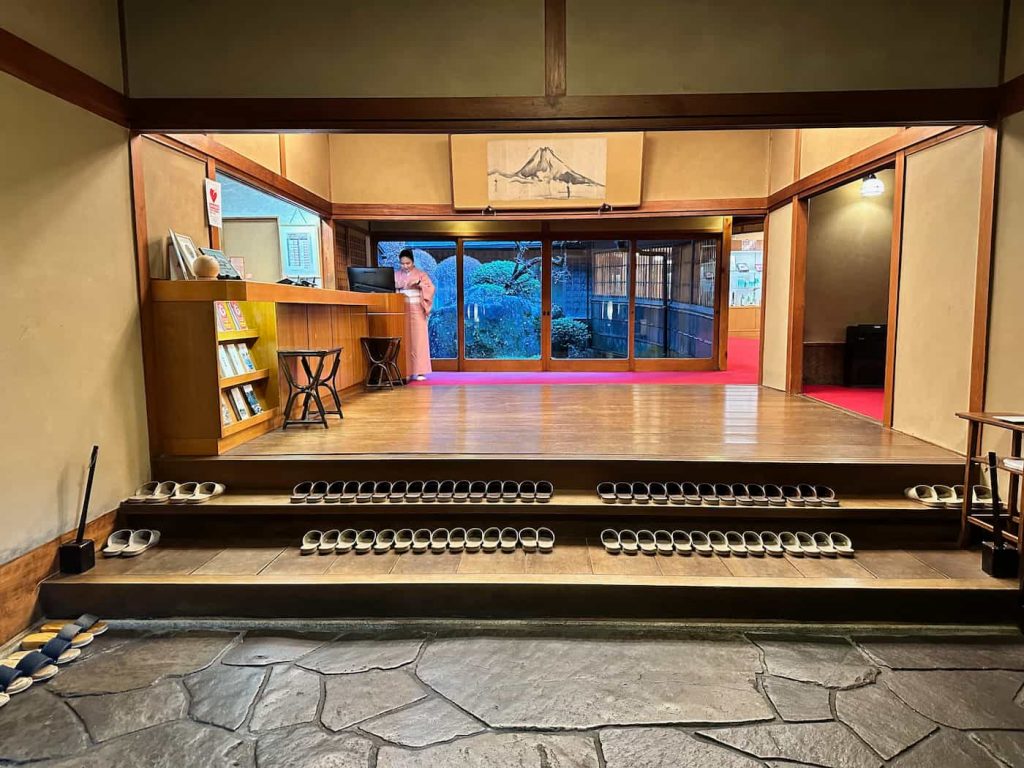
The plan is typically axial and sequential: a formal genkan where guests remove their shoes and are guided into the interior by a ryokan attendant, a sequence of corridors connecting the guest rooms and the communal spaces, typically constructed with polished timber and opening to garden views along their length, and guest rooms that are full tatami-floored suites, each with its own tokonoma, engawa, and a private garden view calibrated from the specific sitting position on the tatami.
The bathhouse is the spatial heart of the ryokan, and in the great onsen ryokan, particularly those of Hakone, Gero, and the Kinosaki coast, the bath architecture reaches extraordinary levels of refinement: stone or hinoki cypress tubs sunk into the floor, the water arriving directly from a thermal spring, the walls and ceilings of natural timber, small windows framing a slice of garden. The relationship between the bathing body and the natural world, the steam, the view, the sound of water, is the ryokan’s deepest architectural idea.
In terms of construction, traditionally they use natural-finish timber posts, washi paper on ceilings and screens, clay plaster walls in warm earth tones, and an almost obsessive attention to material transitions such as the junction of timber and stone, of tatami and polished board, of lacquer and raw wood. The result is a sensory richness operating through radical material restraint, where the luxury is entirely in the quality of what is there rather than the quantity of it.
Chashitsu (茶室) — The Teahouse
The chashitsu is, in one sense, the smallest building in the Japanese tradition, and in another sense the most architecturally loaded. A canonical tea room measures four-and-a-half tatami, approximately 2.7 metres by 2.7 metres. A smaller room of two tatami brings the space down to something barely large enough to stand in. And yet within this extreme compression, the chashitsu contains the entire design vocabulary of the Japanese house in concentrated form: the tokonoma is here reduced to a narrow alcove for a single scroll and a single flower, the shoji screen precisely calibrates light from a precisely positioned window, often high on the wall to illuminate the scroll, the tatami floor, the rough plaster walls often mixed with straw, sand, or crushed shells, and left visibly imperfect, and the structural timber posts.
What is radical about the chashitsu is not the size per se but the discipline of selection it enforces: every element is chosen as if nothing else exists, and the relationship between each element is charged with meaning. The nijiriguch entrance, roughly 70 cm square, through which every guest must pass by crouching, is the chashitsu’s most famous architectural gesture, and its implications are vast: it abolishes status difference, a daimyō must bow as low as a farmer to enter, it reorients the body as you arrive on hands and knees, humbled and attentive, and it marks the threshold between the ordinary world and the world of the ceremony with physical clarity.
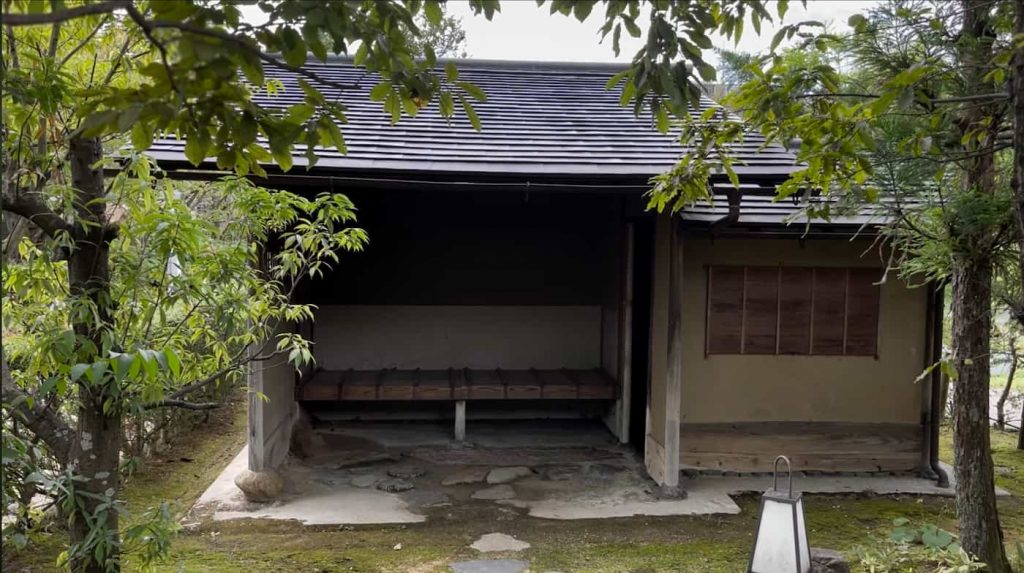
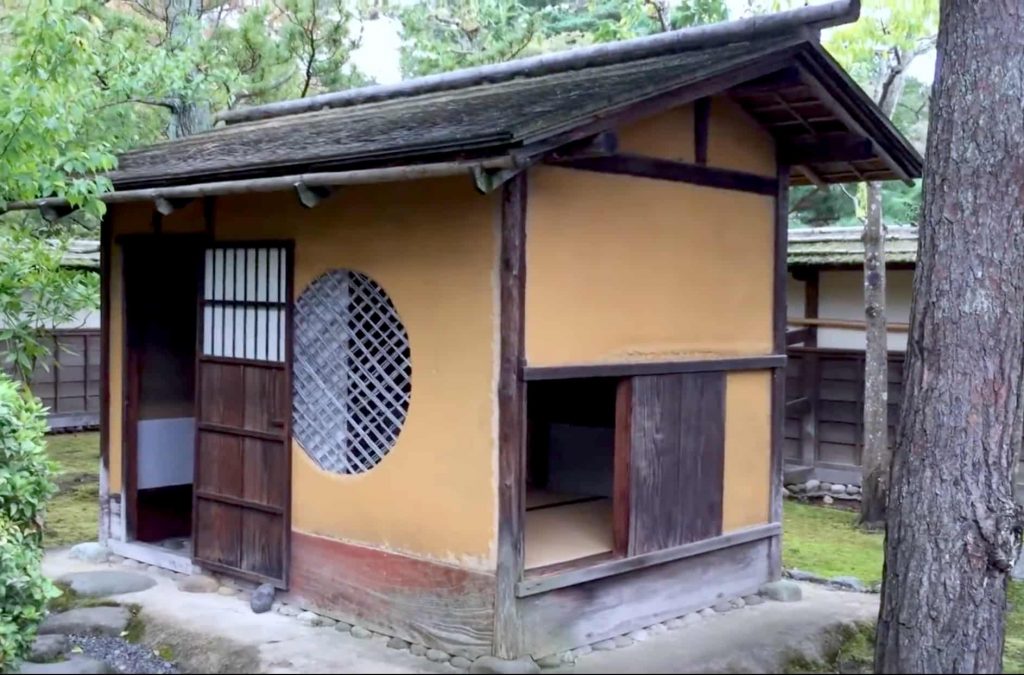
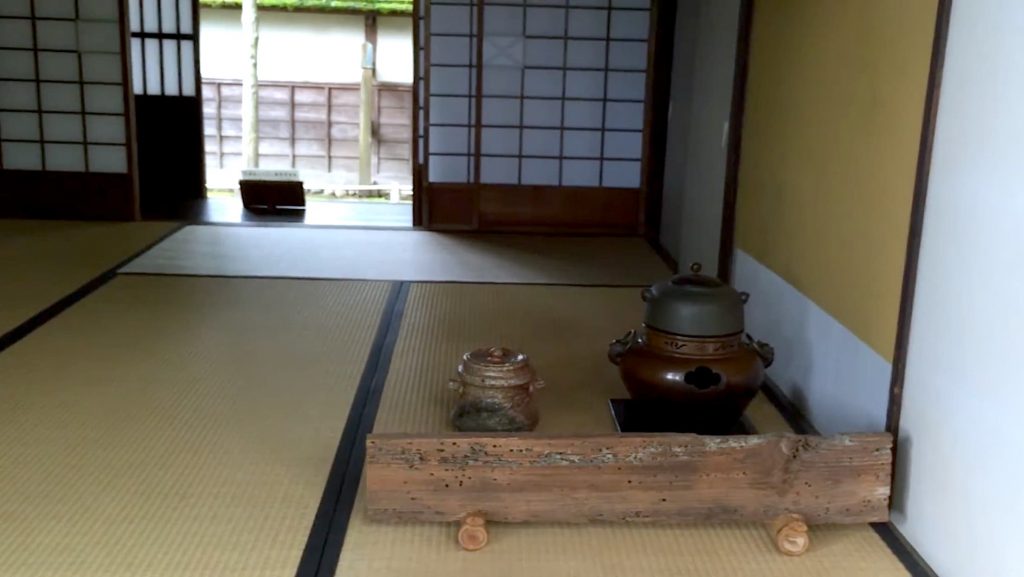
Structurally, the chashitsu tends to use deliberately rough and irregular materials: bark-on timber posts with visible knots and bends, bamboo lattice for interior ceilings and window screens, woven rush for tatami edges, and handmade ceramic fixtures that look as though they grew from the ground rather than being manufactured. This is the wabi aesthetic at its most rigorous: not the simulation of poverty but the genuine refinement of restraint, the understanding that beauty at its deepest is not addition but subtraction.
Final thoughts
Japan’s geography, its range of latitude from subtropical Okinawa to subarctic Hokkaidō, its mountainous interior and coastal lowlands, ensures that the Japanese house varies enormously by region even within the same typological category. In this occasion. could not visit the entire country and a follow up trip will be needed to expand on this topic. This regional variation is one of the most fascinating aspects of Japanese vernacular architecture.
What I noticed is that in Kyoto and the Kinki region, machiya predominate in the urban fabric, with their characteristic latticed facades (kōshi) and compact plans. In the Tōhoku and Japan Alps regions, heavy snowfall drives steep roofs, thick walls, and enclosed plans that minimise heat loss. In the Inland Sea coast and western Japan, lighter construction, larger openings, and extensive veranda spaces respond to the mild, humid climate. In Okinawa, the ryūkyū-style house has its own distinctive vocabulary, shaped by typhoon exposure and a different cultural inheritance.