
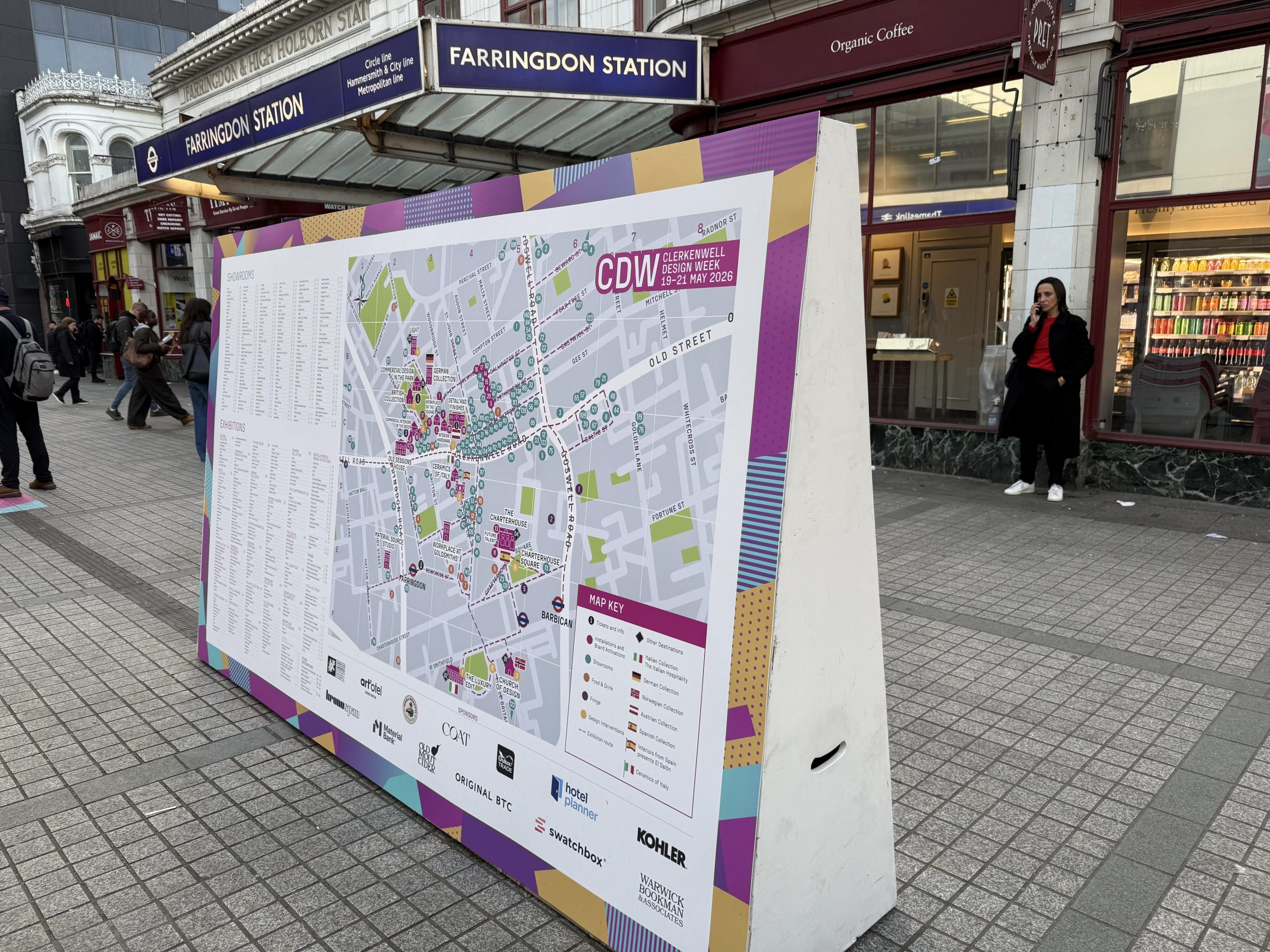

Every May, Clerkenwell Design Week transforms one of London’s most creative neighbourhoods into a vibrant celebration of design, craftsmanship and innovation. More than a trade event, it is a festival that spills into the streets, opening doors to remarkable historic buildings, hidden courtyards, contemporary showrooms and former industrial spaces that are rarely experienced in quite this way.
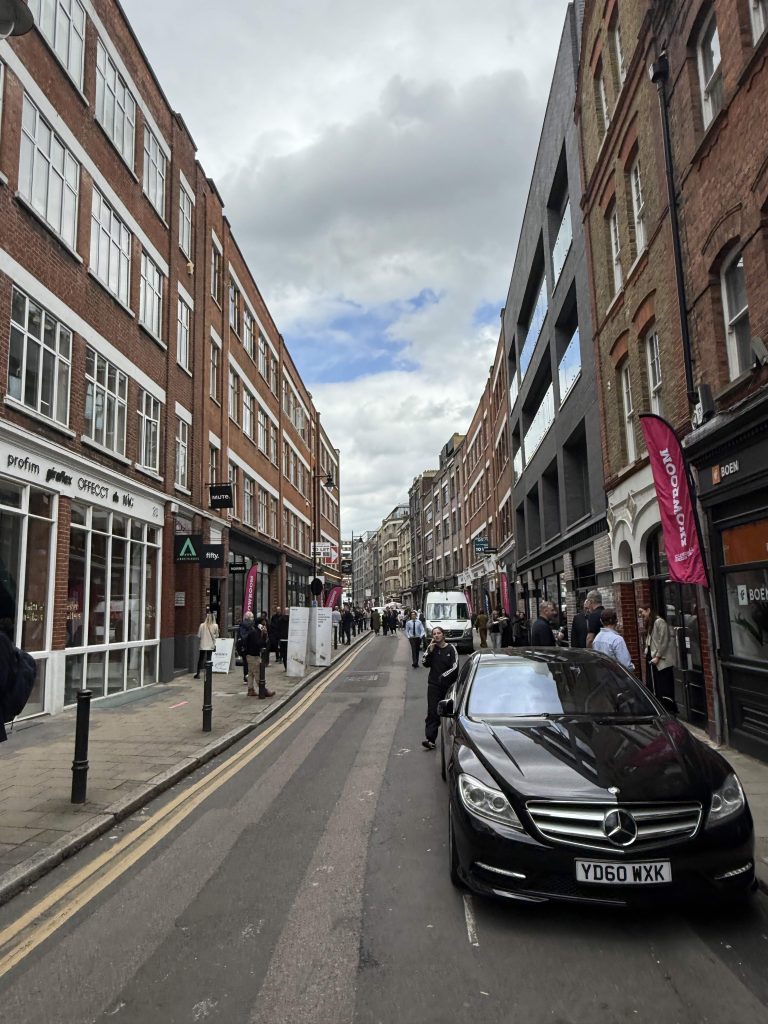
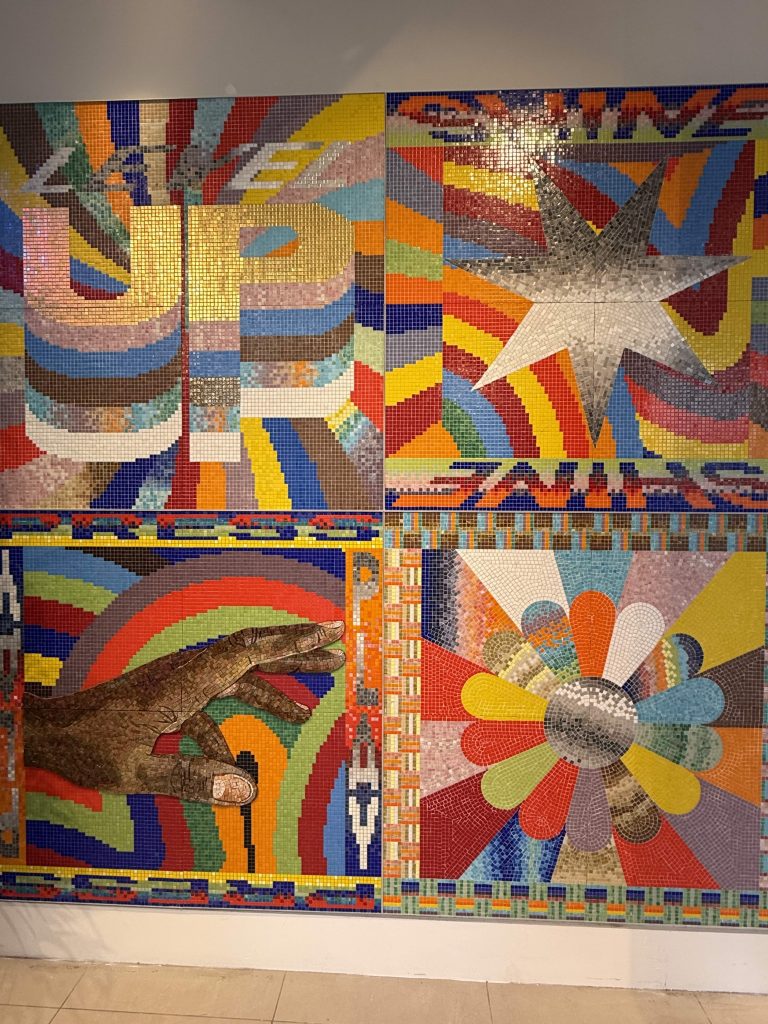
Rather than gathering everything under one roof, the festival invites you to wander through one of London’s most characterful neighbourhoods, where centuries of history become the backdrop for contemporary design. Every street seems to reveal another showroom, another temporary installation or an unexpected conversation, making the experience feel less like visiting a trade fair and more like discovering an entire district transformed by creativity.
London’s Historic Heart Meets Contemporary Design
This year’s 15th edition was a milestone, with the festival spreading across iconic buildings that are usually closed to the public, each offering a unique atmosphere for the showcased work.
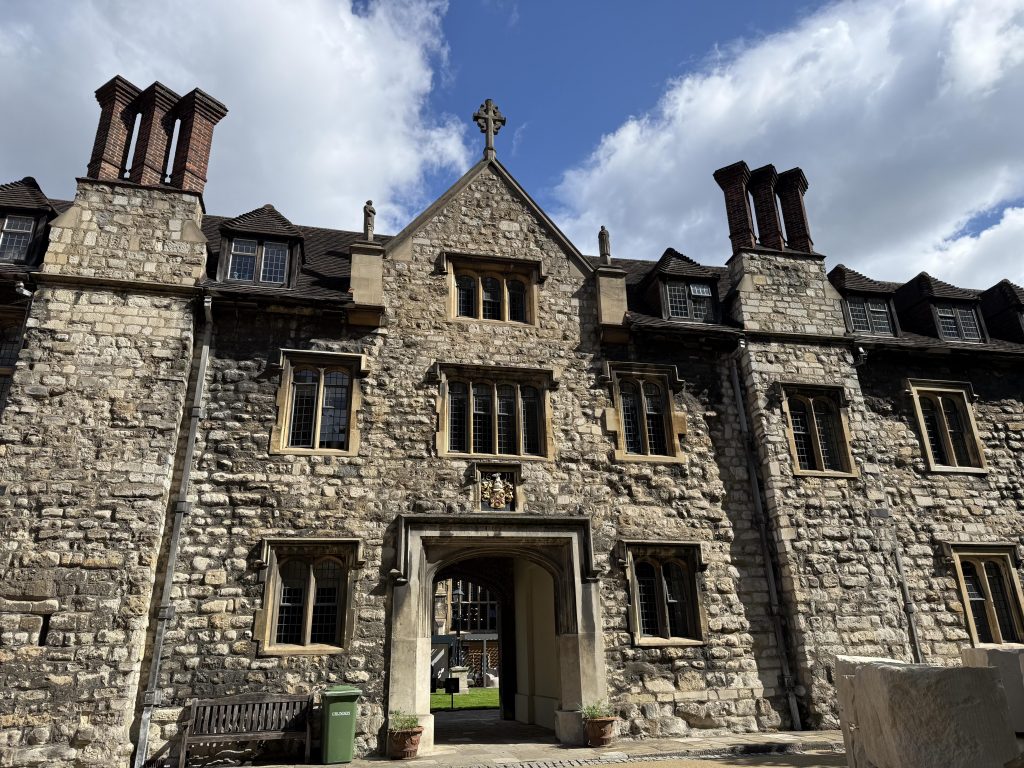
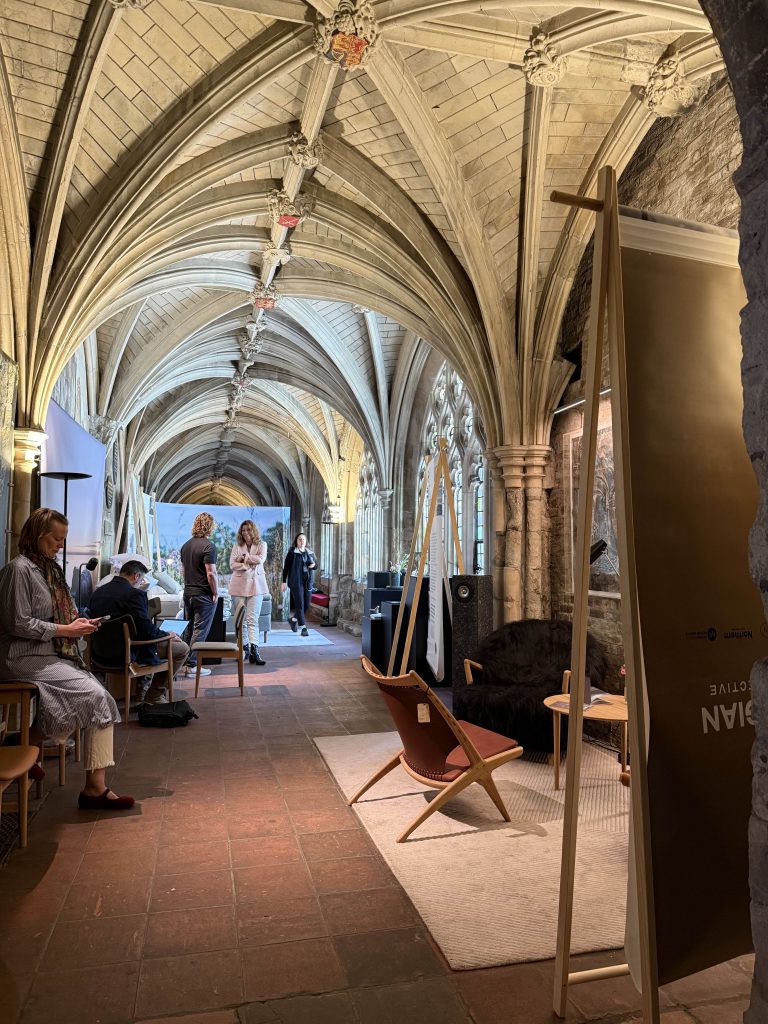
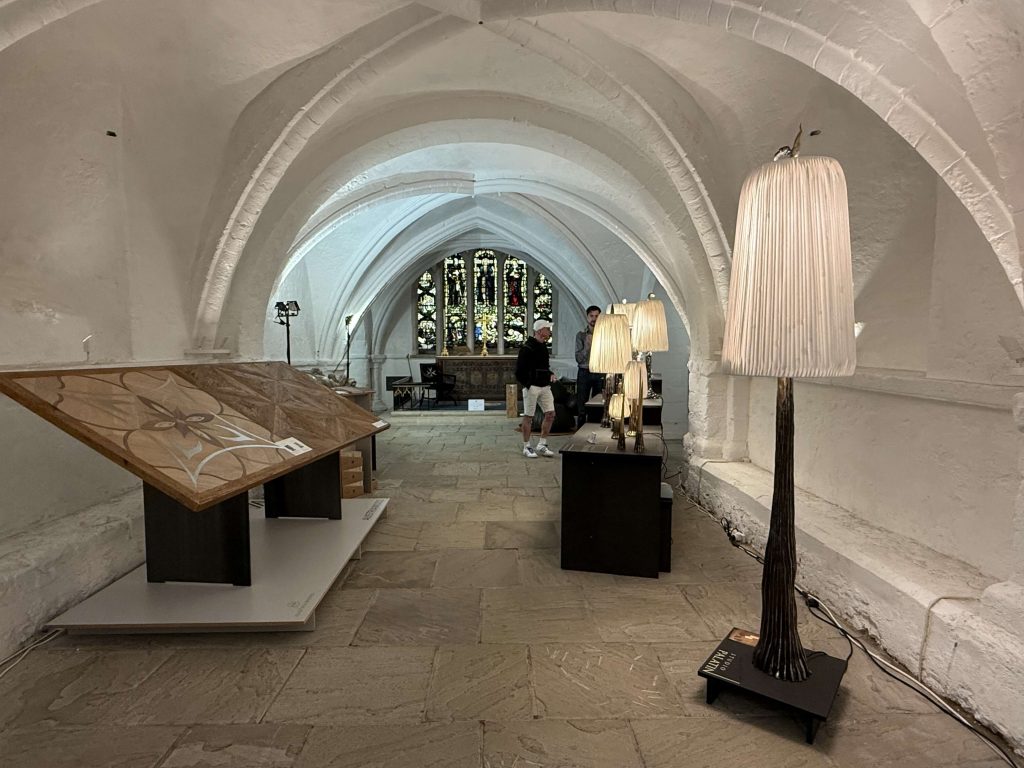
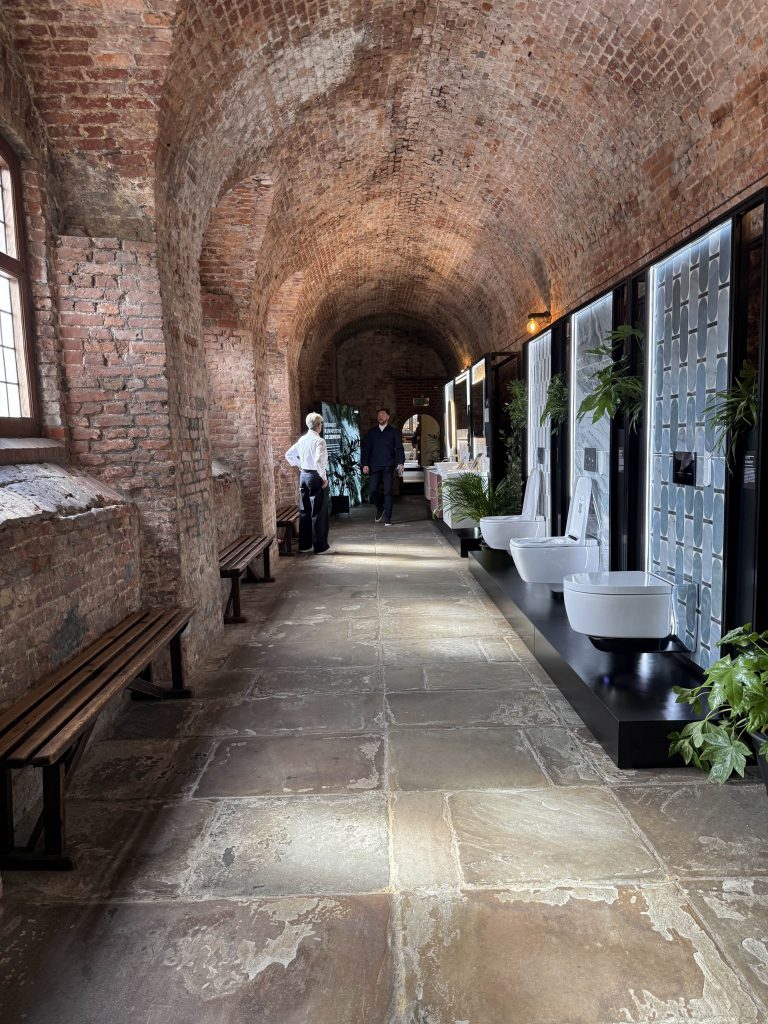
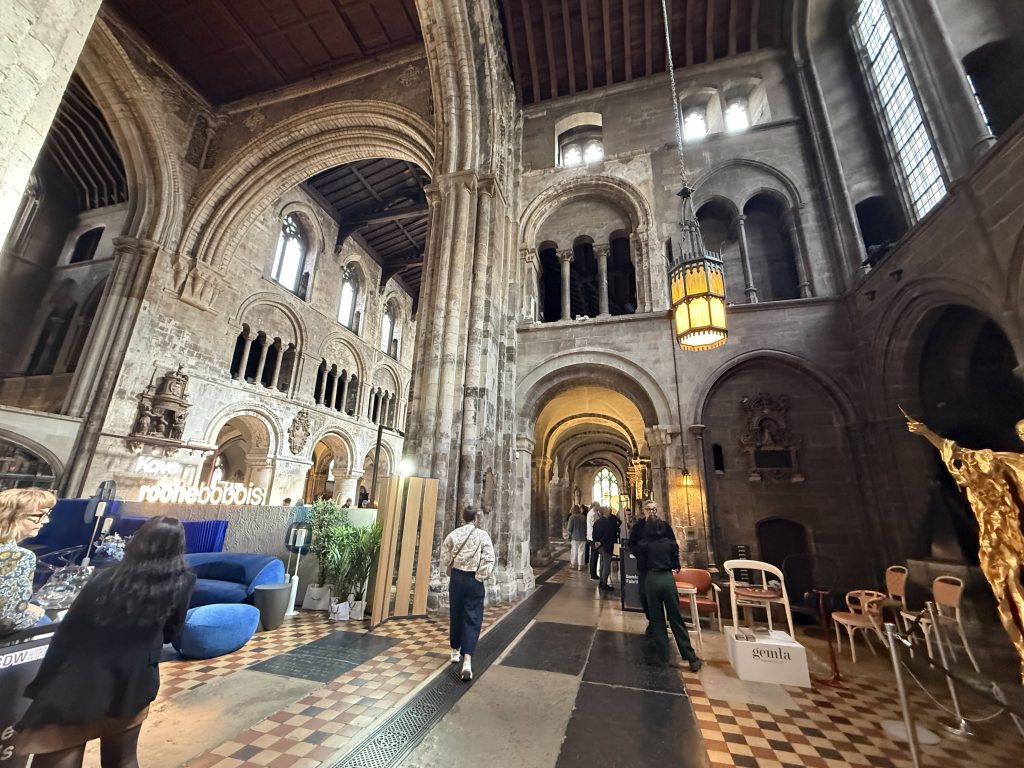
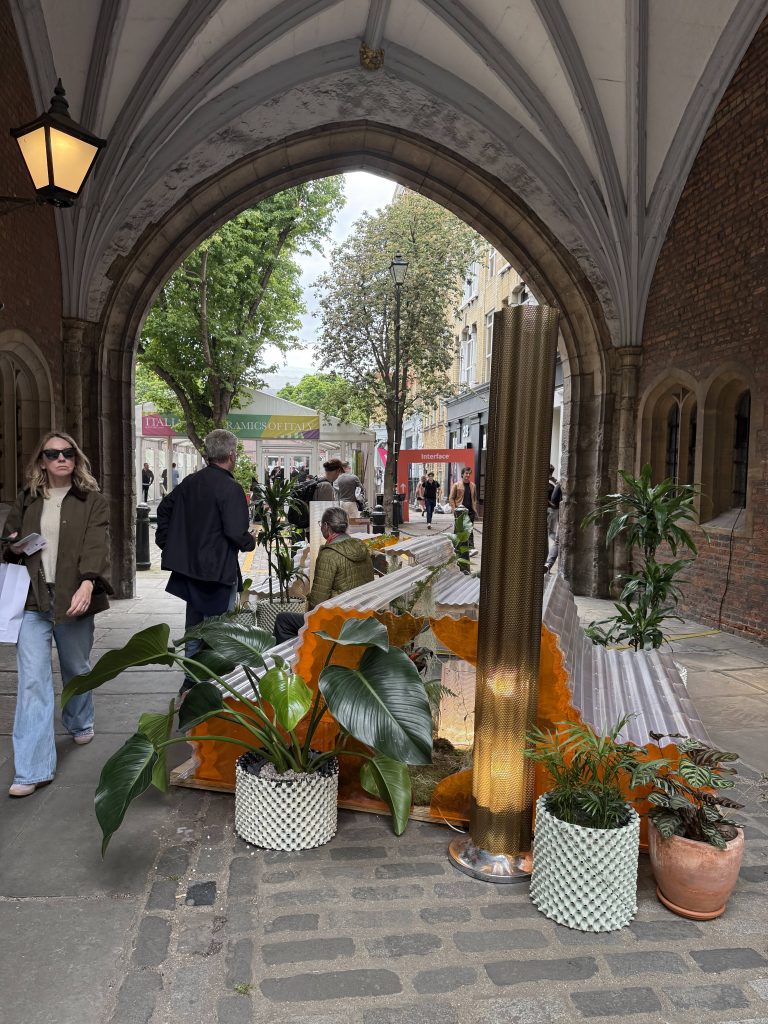
The Charterhouse, A former 14th-century Carthusian monastery, later a Tudor mansion and almshouse. Its Great Hall and cloisters retain original medieval and Tudor architectural features, including intricate woodwork and grand stone facades, with its timeless cloisters and grand halls, hosted contemporary furniture, decorative lighting, and luxury finishes, its ancient walls providing a striking contrast to the sleek lines of modern design.
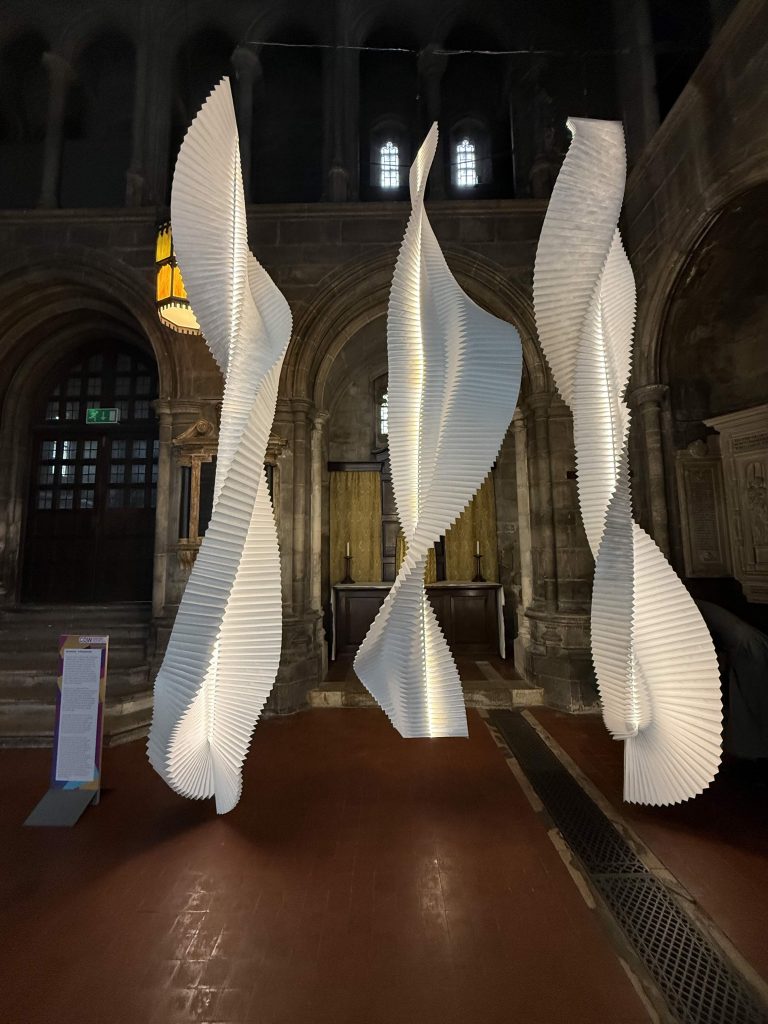
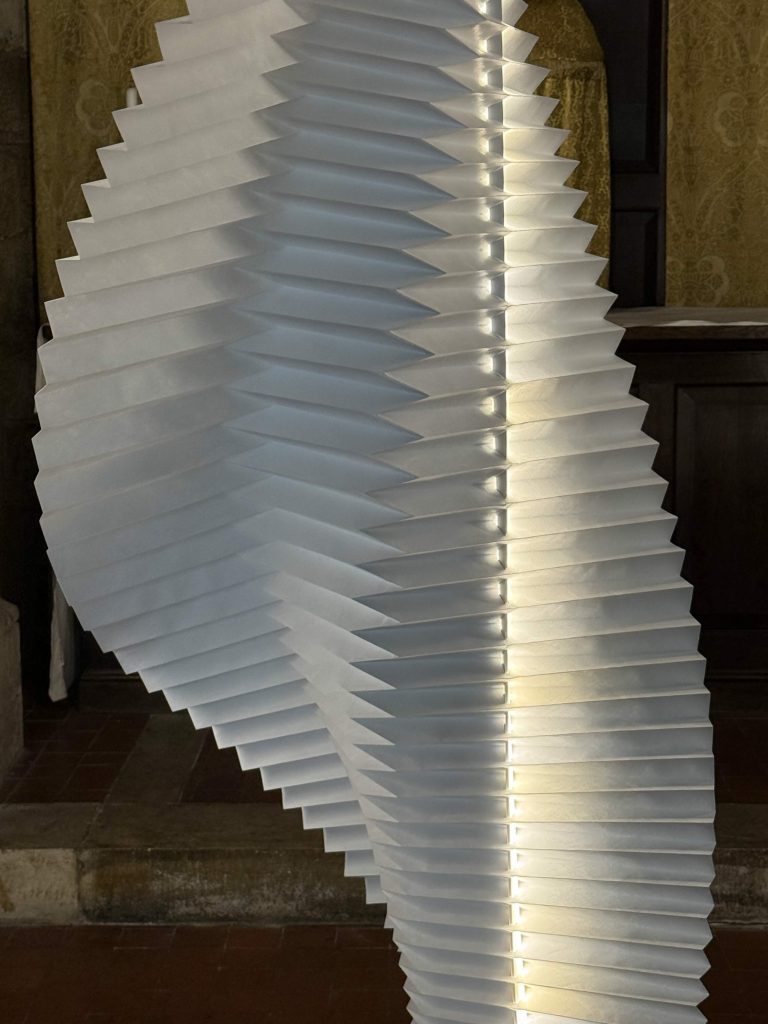
St Bartholomew the Great, one of London’s oldest churches, A 12th-century Norman church, one of London’s oldest surviving parish churches. Its Romanesque nave, medieval crypt, and 15th-century tower showcase a blend of architectural styles from different eras, became the “Church of Design,” its 900-year-old nave home to a monumental origami-inspired installation by Fung + Bedford, suspended like a constellation of folded light.
The crypt of St Luke’s Church, A 12th-century crypt with vaulted brick ceilings and original medieval columns. Once used for storing meat from nearby Smithfield Market, it now offers a unique subterranean space with historic character, with its vaulted brick ceilings and hidden garden, offered a serene escape and a backdrop for the British Collection
St James’ Church, A 12th-century church rebuilt in the 18th century, featuring a grand Georgian interior with a coffered ceiling, Doric columns, and a striking west front. Its spacious nave and atmospheric lighting make it a notable venue showcased the best of British design talent, its atmospheric interior lending gravitas to every piece
The Old Sessions House, An 18th-century courthouse designed by George Dance the Younger. Its grand foyer, with a sweeping staircase and classical detailing, reflects the building’s original use as a center of justice and governance, with its grand foyer and historic courtrooms, served as the festival hub, buzzing with brand activations, presentations, and the energy of designers and visitors alike.
Beyond these, the district’s ateliers, industrial buildings, and showrooms brimmed with installations, talks, and pop-up exhibitions, each space telling its own story of craft, innovation, and the enduring power of good design. Alongside the installations, an extensive programme of talks, panel discussions and workshops filled the neighbourhood with conversations about craftsmanship, sustainability, innovation and the future of design, making the festival feel as much about ideas as it was about beautiful objects.
My curated walk
The Italian Ospitality, curated by Giulio Cappellini at Haberdashers’ Hall, was an installation that highlighted the quality and innovation of Italian design. The space was a collaboration with the Italian Trade Agency and INTERNI magazine, offering a platform for Italian brands to showcase their work in the UK market. The exhibition balanced established names with emerging brands, presenting furniture, lighting and decorative pieces that combined refined craftsmanship with unmistakable Italian sophistication. The display felt carefully composed, allowing each object to speak while together creating an immersive vision of Italian living. It was a reminder of how design can be both functional and emotionally resonant, a testament to Cappellini’s ability to bridge tradition and avant-gardeinternimagazine.it+2. Architect, entrepreneur and internationally renowned art director, Cappellini has spent more than four decades discovering and nurturing some of the world’s leading designers, including Jasper Morrison, Marcel Wanders and Nendo long before they became household names. His carefully curated selection celebrated the richness of contemporary Italian design, bringing together furniture, lighting and accessories that perfectly balanced innovation, craftsmanship and timeless elegance.
Explore Giulio Cappellini’s work
Suspended dramatically within the soaring interior of St Bartholomew the Great, Resonance by Fung + Bedford appeared incredibly delicate while filling the space with remarkable presence. Founded by artists and designers James Fung and Eleanor Bedford, the multidisciplinary British studio has become known for transforming flat materials into monumental sculptural environments through the art of folding. Working primarily with Tyvek and other lightweight materials, they create immersive installations that explore light, geometry and movement. Constructed from meticulously hand folded elements illuminated from within, Resonance floated through the medieval church like a luminous ribbon, creating an unforgettable dialogue between architecture, craftsmanship and light. The crisp geometry interacted beautifully with light and shadow, creating an installation that constantly changed as visitors moved around it. Learn more at https://www.fungandbedford.com.
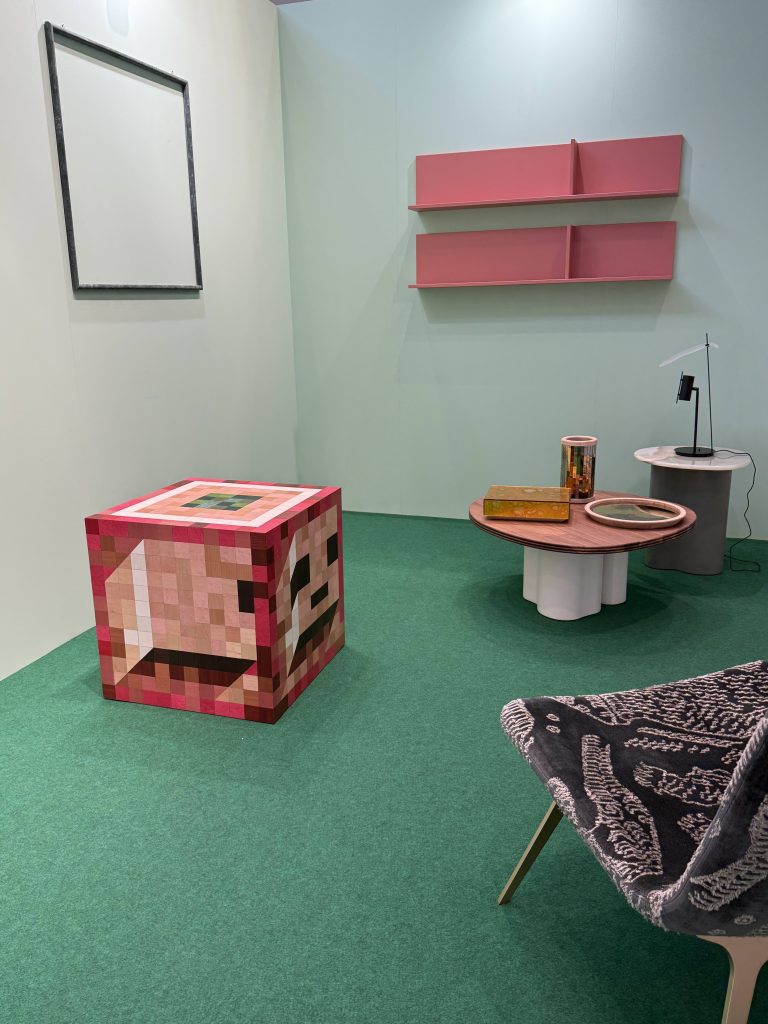
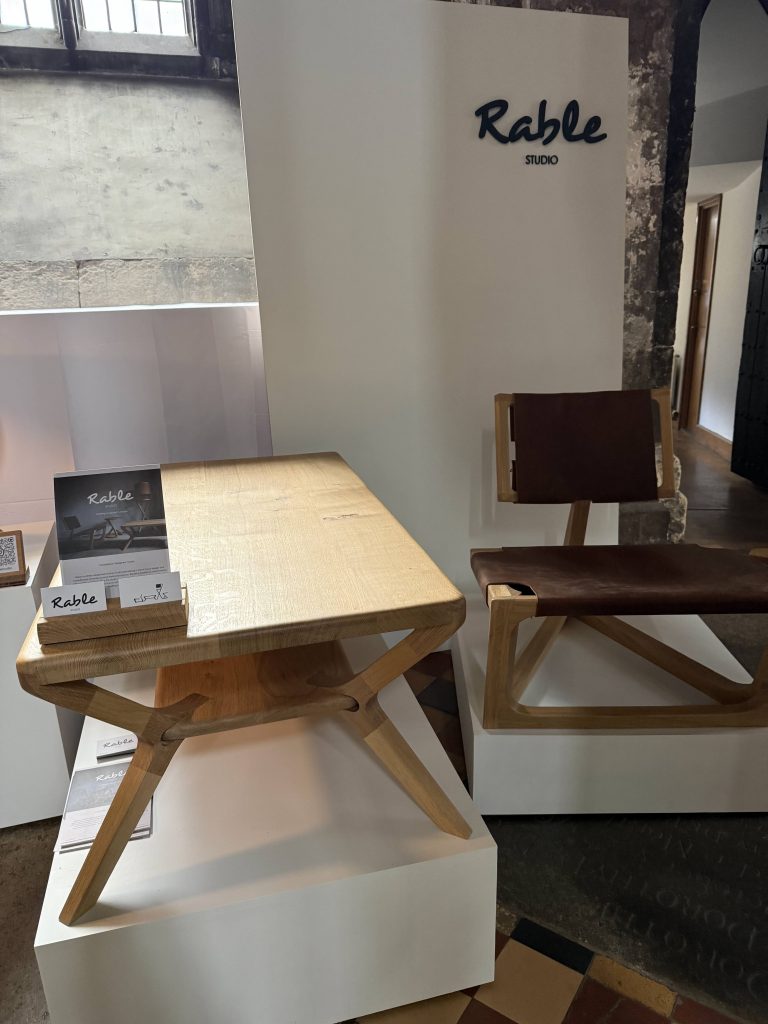
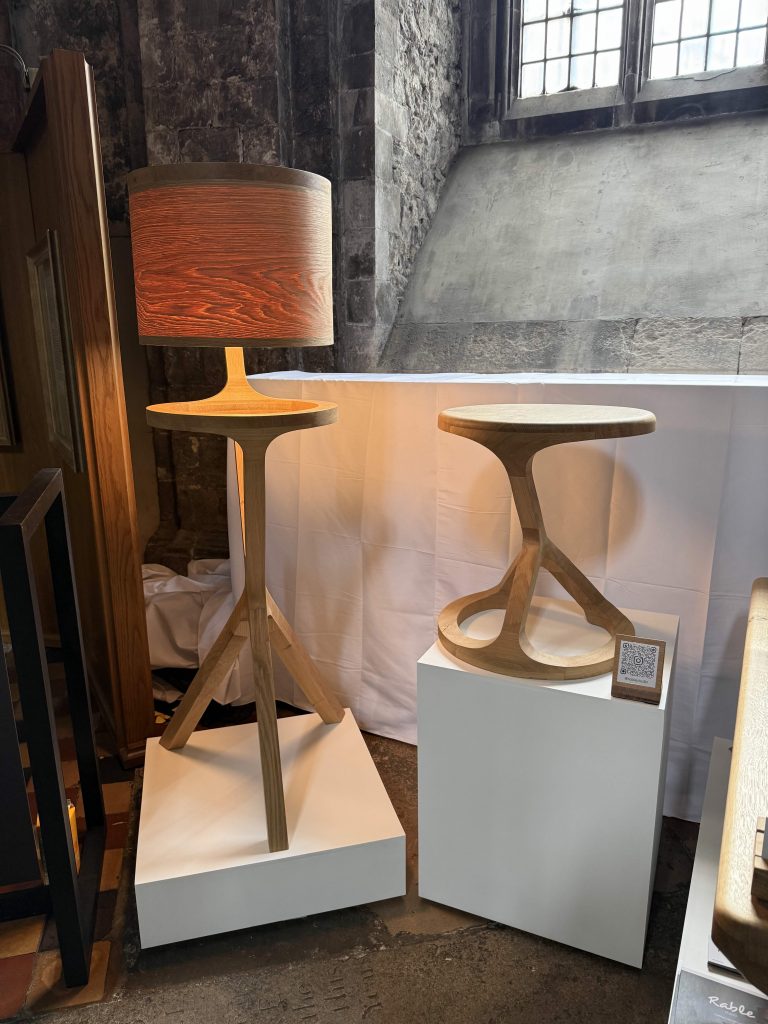
I discovered the beautifully crafted work of young furniture maker Archie Symes at Rablestudio . Every piece demonstrated a deep respect for timber, allowing the grain and natural character of the material to become part of the design itself. Symes, a British designer and graduate in Industrial Design from Loughborough University, founded Rablestudio to create refined, geometric furniture that blends traditional craftsmanship with modern manufacturing. His wooden furniture pieces, exhibited as part of the Future Talent showcase at The Charterhouse, were a testament to the beauty of simplicity and the enduring appeal of natural materials. The furniture felt understated yet highly accomplished, celebrating traditional woodworking techniques through contemporary forms that are both functional and enduring. Representing a new generation of British furniture makers, Symes combines traditional woodworking techniques with a contemporary design language that celebrates simplicity, proportion and material honesty. Every piece revealed an exceptional understanding of timber, allowing the natural grain and texture to become integral to the design rather than something to conceal. The result is furniture that feels quietly confident, beautifully made and built to last. Learn more at https://rablestudio.com
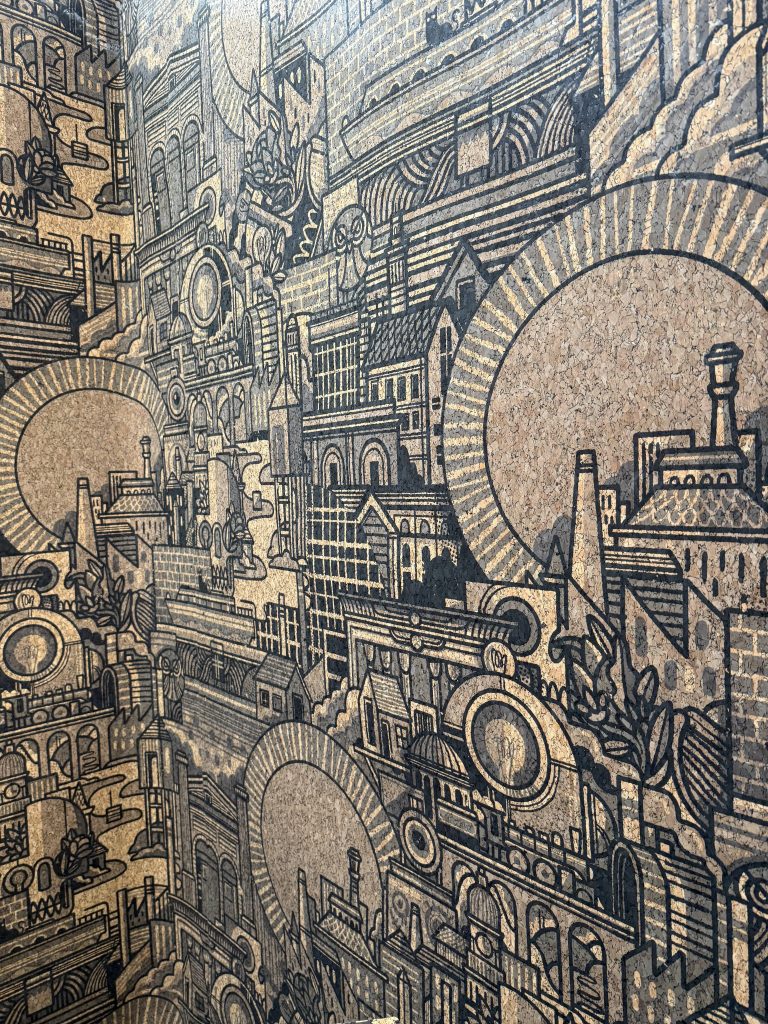
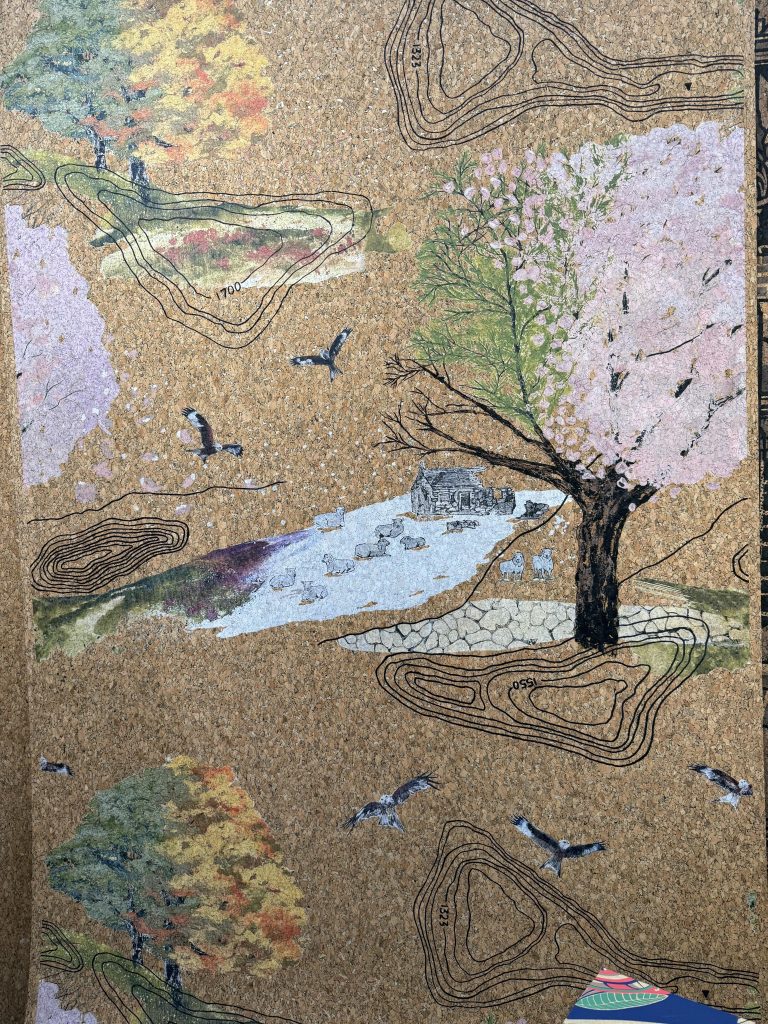
The wallpaper collection by The Monkey Puzzle Tree was a revelation in texture and sustainability. Founded in Yorkshire by textile designer Charlotte Raffo, the brand is known for its award-winning real cork wallpapers, which are made in England to the highest environmental and ethical standards. Their designs, collaborations with artists across the North of England, such as like Yorkshire painter Olivia Beau, transforming original artworks into luxurious wallpapers and textiles while ensuring every artist receives royalties from each design sold. Their use of cork creates richly textured wall coverings that are both tactile and visually striking, offering a sustainable alternative without sacrificing character or craftsmanship. brought warmth and depth to spaces, proving that eco-friendly materials can be both stylish and sophisticated. challenged expectations of what natural wallcoverings can achieve. Rich in texture and warmth, the surfaces combined tactile beauty with sustainable materials, bringing softness and depth to interior spaces while showcasing the remarkable versatility of cork as a contemporary finish.
Explore Monkeypuzzletree
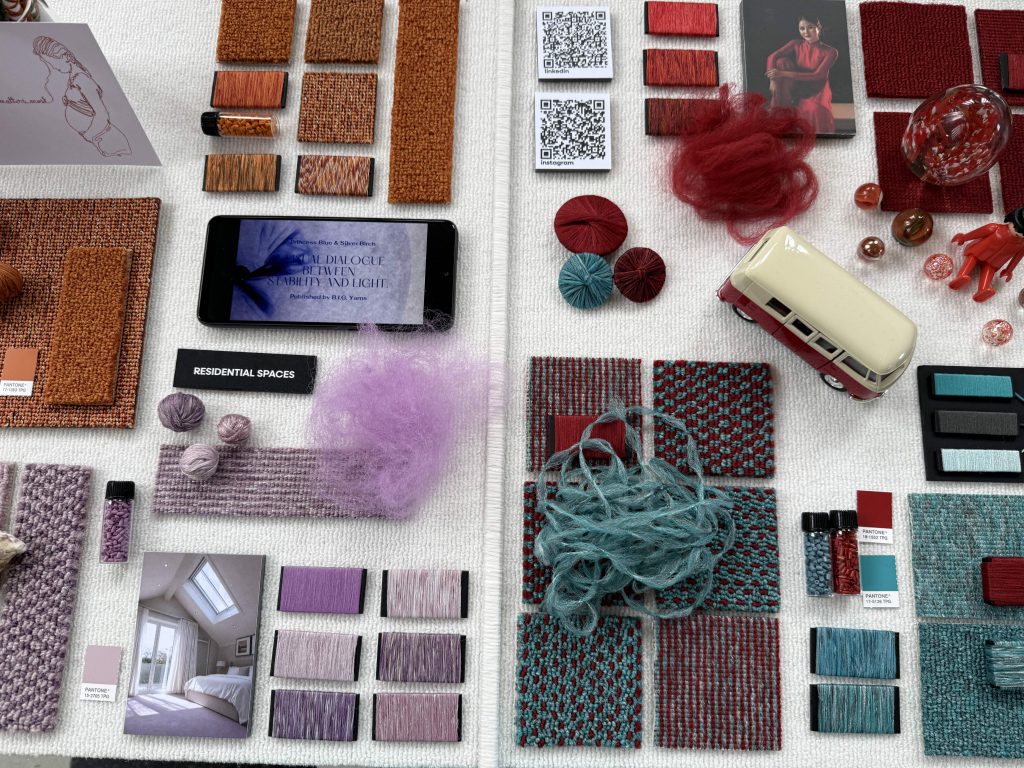
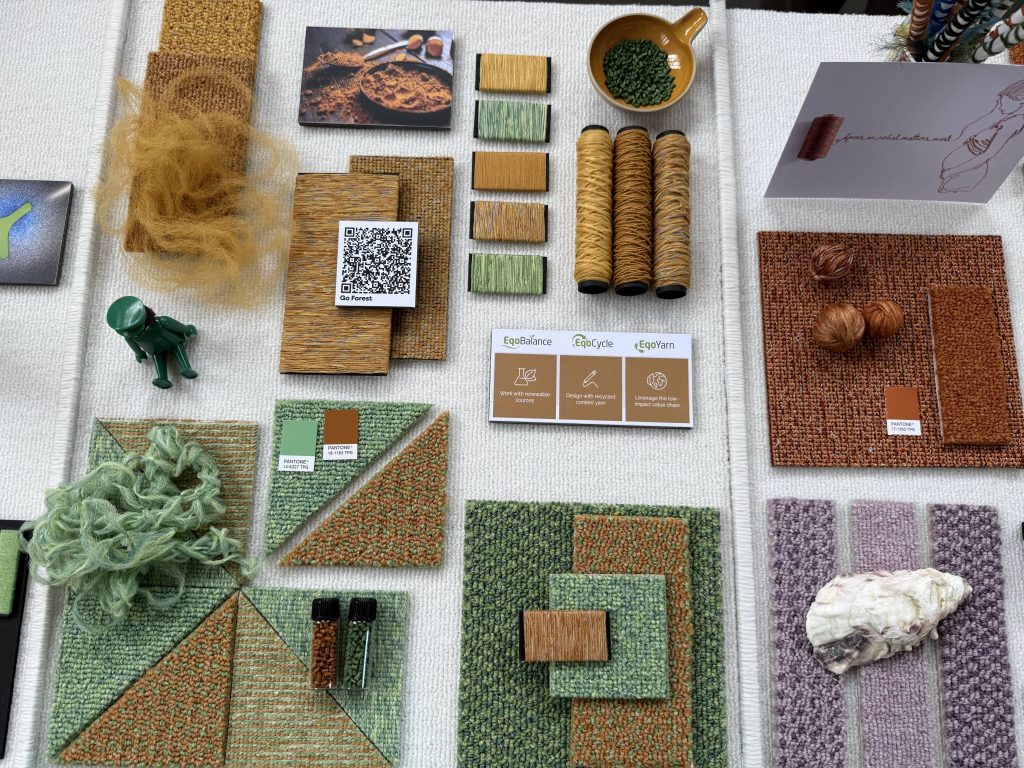
B.I.G. Yarns showcased the future of eco-conscious interiors with their natural wool productions and earthy color palettes. The company, a specialist in sustainable yarns, is passionate about offering yarns that go beyond just being a product, they are essential to creating specific atmospheres within buildings. Their commitment to sustainability was evident in every thread, offering a gentle reminder that luxury and responsibility can go hand in handfibre. B.I.G. Yarns demonstrated how innovation and environmental responsibility are increasingly shaping the interiors industry. The company champions responsible wool production, working closely with farmers and manufacturers to create high quality yarns coloured with naturally inspired palettes and environmentally conscious processes. Their presentation highlighted the importance of traceability, craftsmanship and slow production, demonstrating that the future of interior textiles lies in materials that respect both people and the landscape from which they originate. Their presentation focused on responsibly produced yarns for interior applications, highlighting advances in sustainable manufacturing alongside a sophisticated palette inspired by natural colours. It was an encouraging example of how technical performance and environmental awareness can successfully coexist within modern specification. Website: https://www.bigyarns.com.
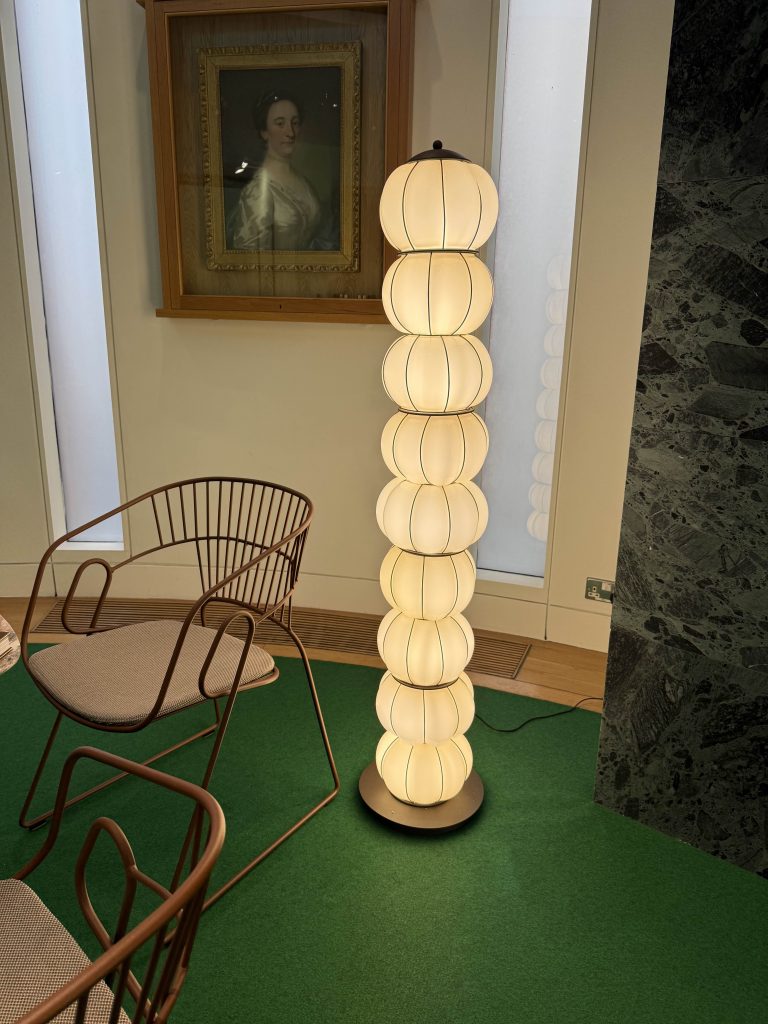
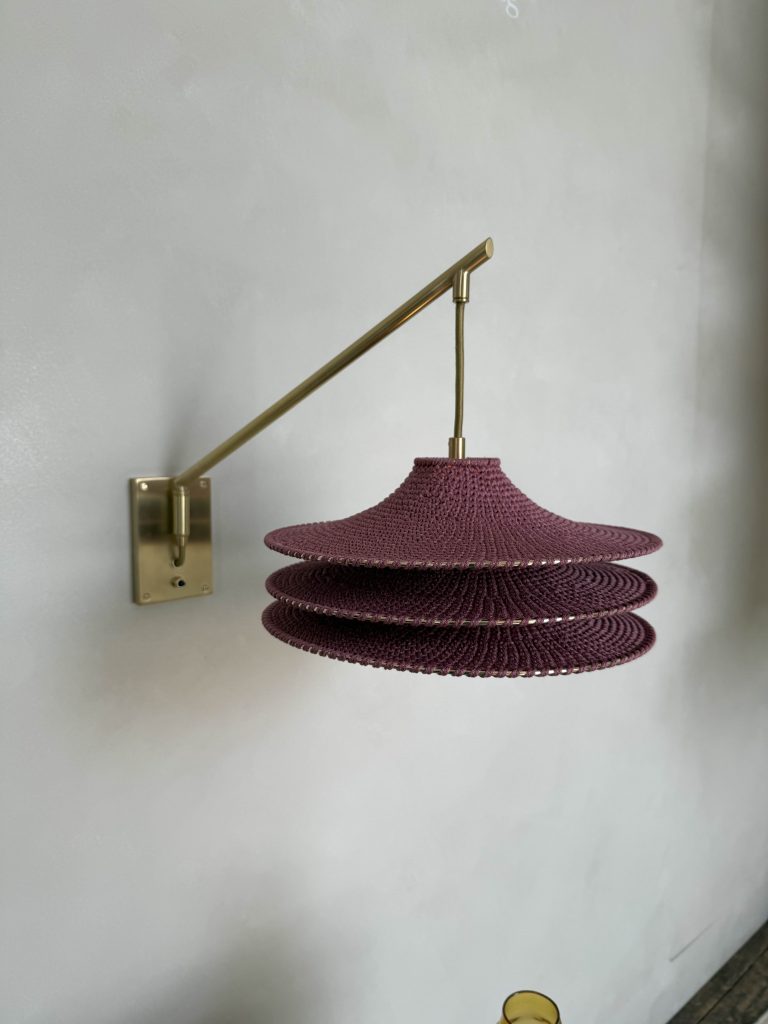
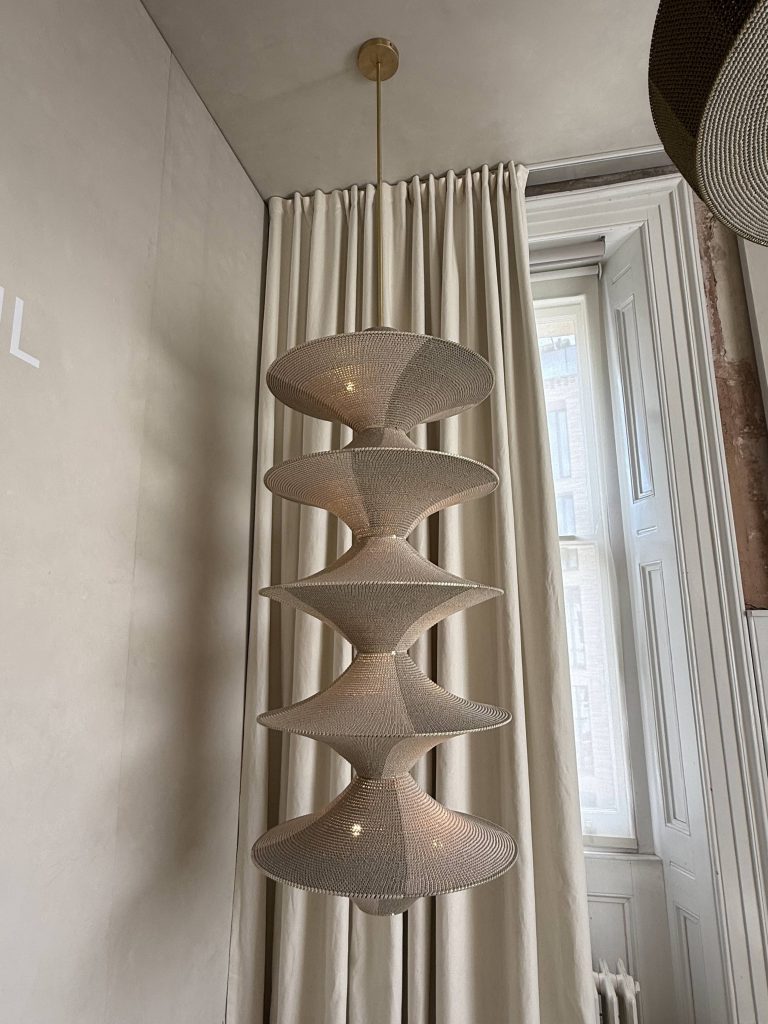
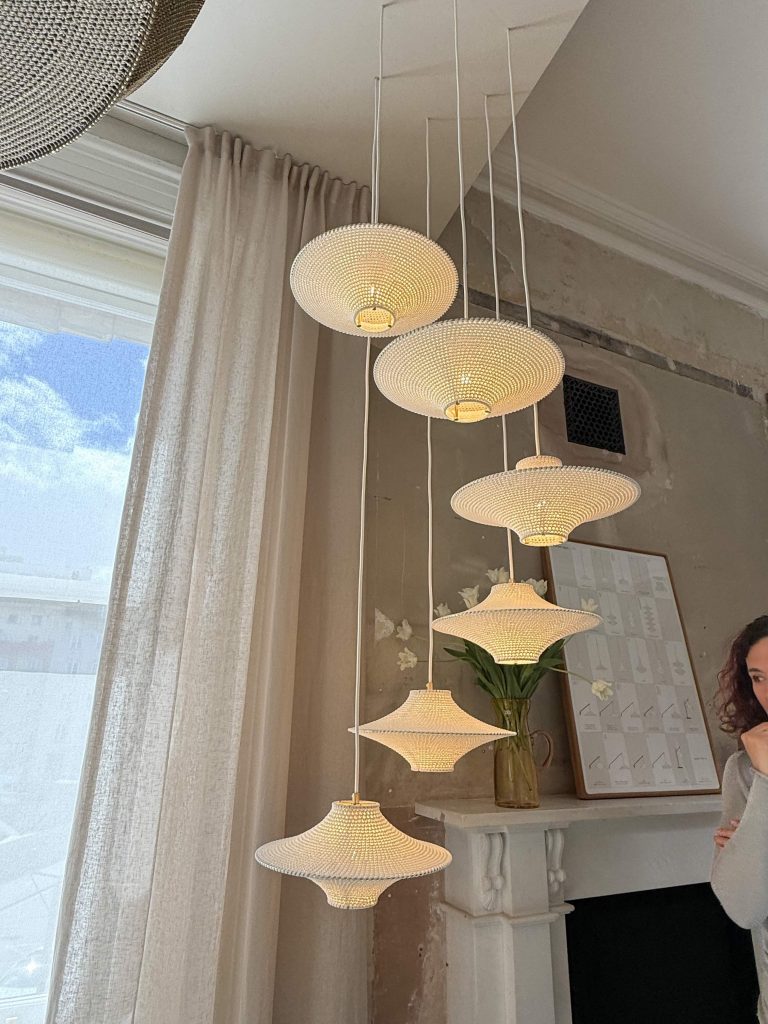
The handcrafted lighting by Naomi Paul offered a welcome contrast to highly industrial production. Each lamp, carefully crocheted by hand, transformed yarn into sculptural forms that diffused light with extraordinary softness. The collection demonstrated how traditional textile techniques can create contemporary lighting that feels both intimate and architectural, adding warmth and texture to interior spaces. Originally trained in textile design, Paul has developed an internationally recognised practice centred on hand crocheted lighting, produced in her London studio by skilled artisans. Each shade is made stitch by stitch using ethically sourced Egyptian cotton, creating sculptural forms that soften both light and acoustics. Her work sits somewhere between textile art and lighting design, resulting in pieces that feel timeless, tactile and quietly luxurious. Learn more at https://www.naomipaul.co.uk.
Office furniture remained one of the strongest themes throughout the festival, reflecting the continuing evolution of workplace design. Across numerous showrooms the emphasis had clearly shifted towards creating environments that support wellbeing, flexibility and collaboration. Softer forms, residential inspired materials, acoustic solutions and adaptable furniture suggested that the future workplace is becoming increasingly comfortable, human centred and visually refined, dissolving the traditional boundaries between office and home. Flexible layouts, residential influences, improved acoustic solutions and biophilic materials reflected a growing emphasis on wellbeing, collaboration and adaptability. Rather than designing for rows of desks, manufacturers are increasingly creating environments that encourage creativity, comfort and human connection, responding to the changing ways we work while maintaining a strong focus on sustainability and longevity.
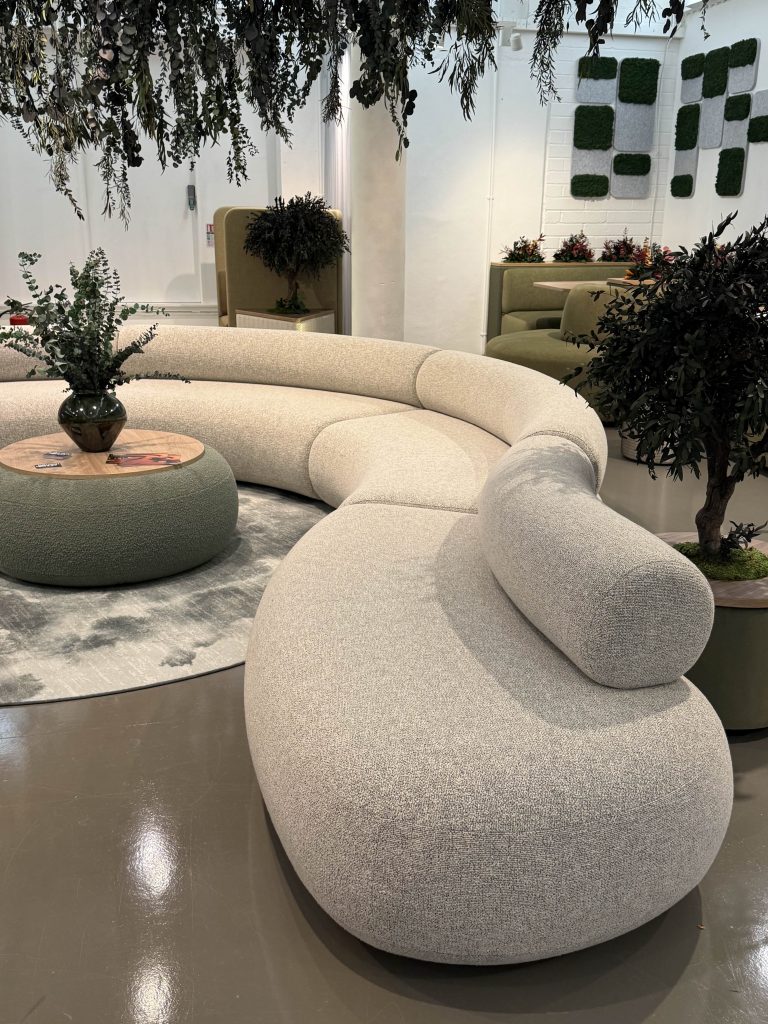
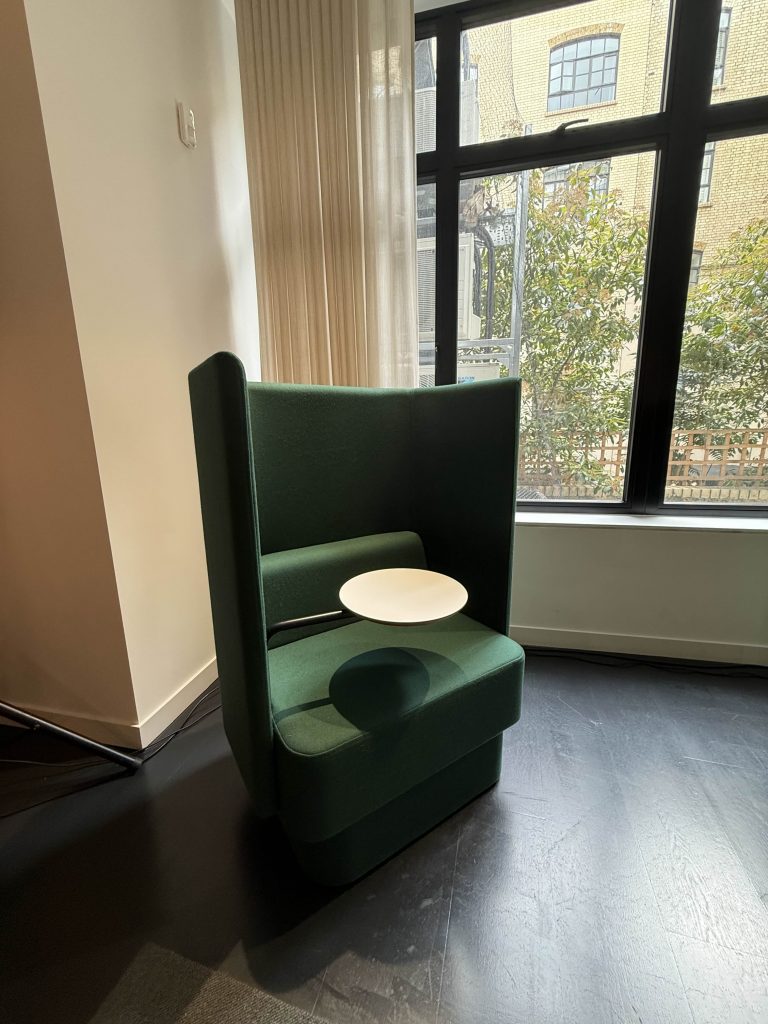
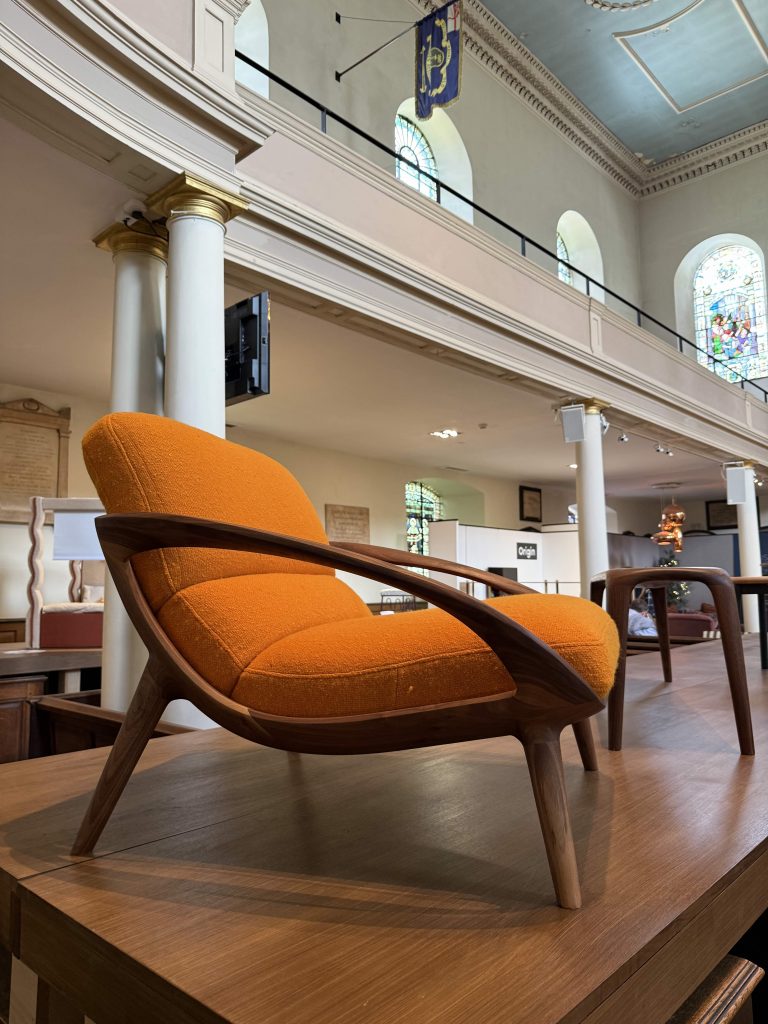
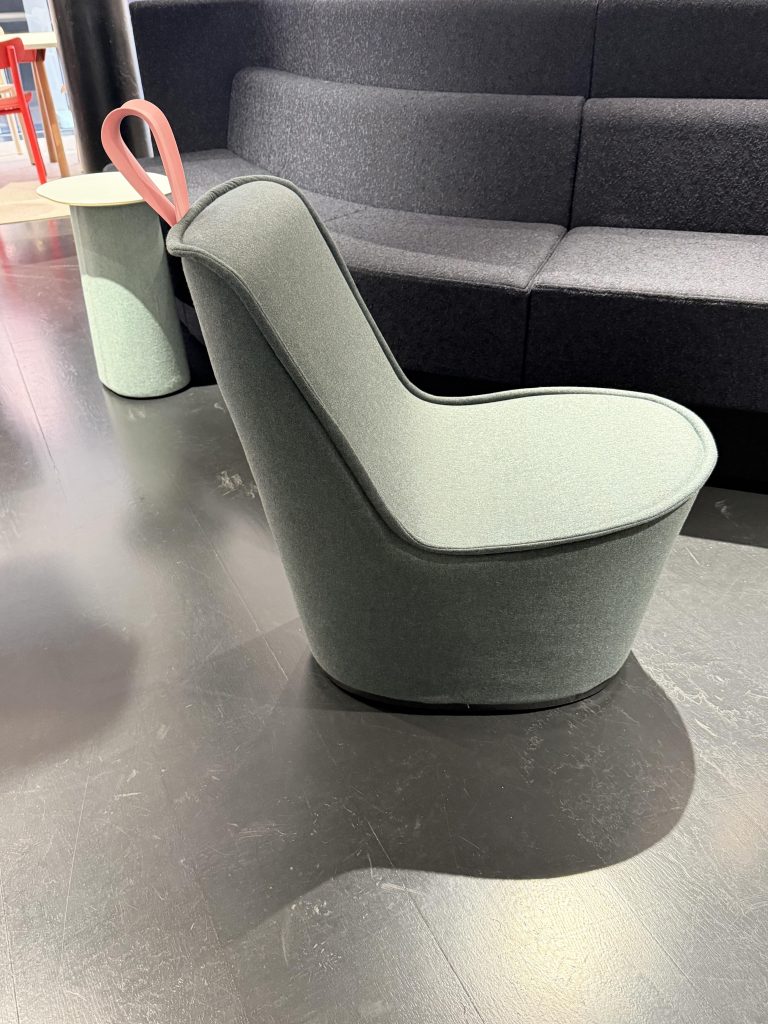
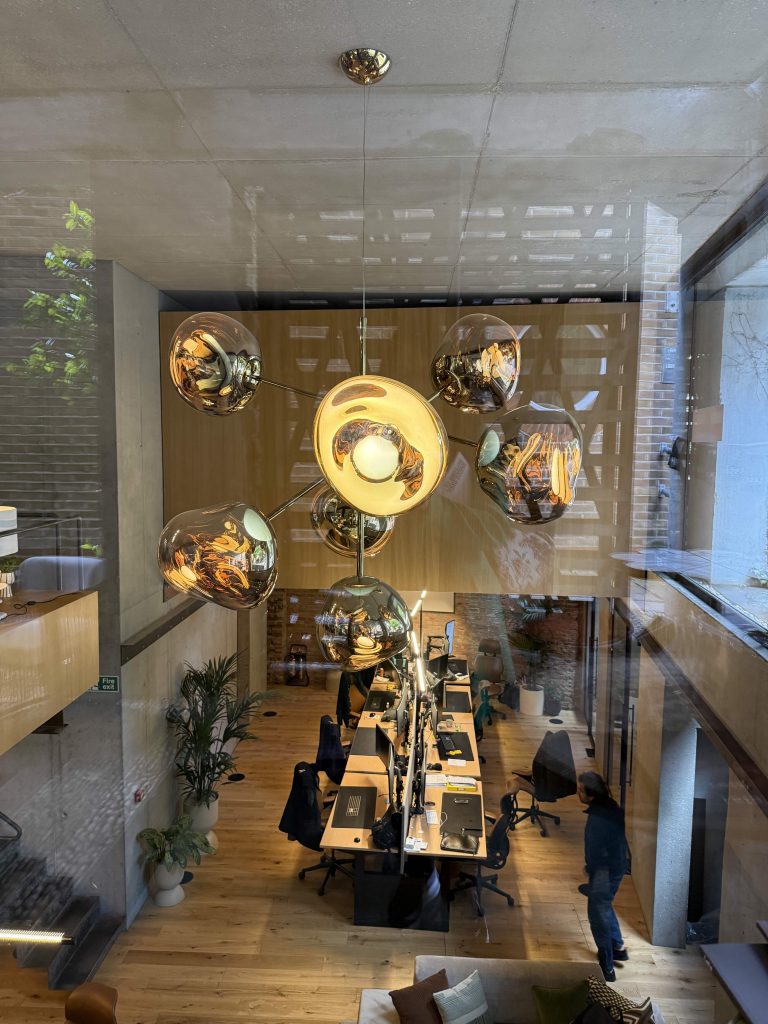
Knoll’s Konzert Collection, designed by Paolo Dell’Elce and presented by MillerKnoll, attracted considerable attention for its beautifully resolved private office system, balancing architectural precision with a softer, more residential character. Herman Miller drew crowds with Bound, an innovative sit stand booth and desking system that rethinks individual focus spaces for hybrid working, while Colebrook Bosson Saunders showcased Lana, its award winning laptop stand that demonstrated how even the smallest workplace accessories can combine elegant engineering with circular design principles. Orangebox also received widespread attention with Tessel, a highly adaptable modular seating collection that reflects the growing demand for flexible, collaborative work environments. Notable pieces included the Apex Canopy Table by Hawk Furniture, a reimagined signature design with a cleaner aesthetic and simpler assembly, and the Claydon Console 7 by Lucy Gold x Barnby Design, a functional yet striking piece. Deadgood launched a new chair that brought a playful side to commercial furniture, while String Furnitureshowcased its elegant, configurable systems, proving their timeless relevance. Ahrend also presented its circular service for office furniture, emphasizing refurbishment and remanufacturing as part of a broader industry push towards sustainability.
After dark the festival comes alive
As the showrooms closed their doors each evening, Clerkenwell took on an entirely different character. The conversations continued long after the exhibitions had finished, spilling into courtyards, terraces and beautifully designed showroom spaces that became the setting for some of the festival’s most memorable moments. Live bands, DJs and jazz performances provided the soundtrack while guests enjoyed everything from Italian aperitivos and street food to champagne receptions and cocktails.
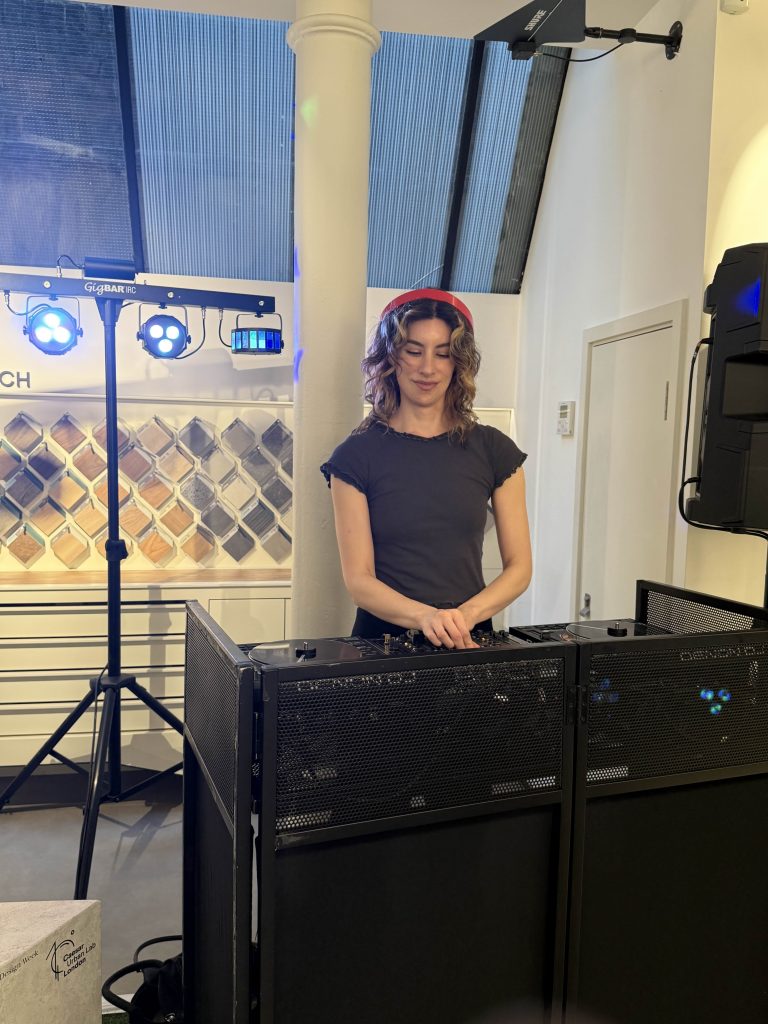
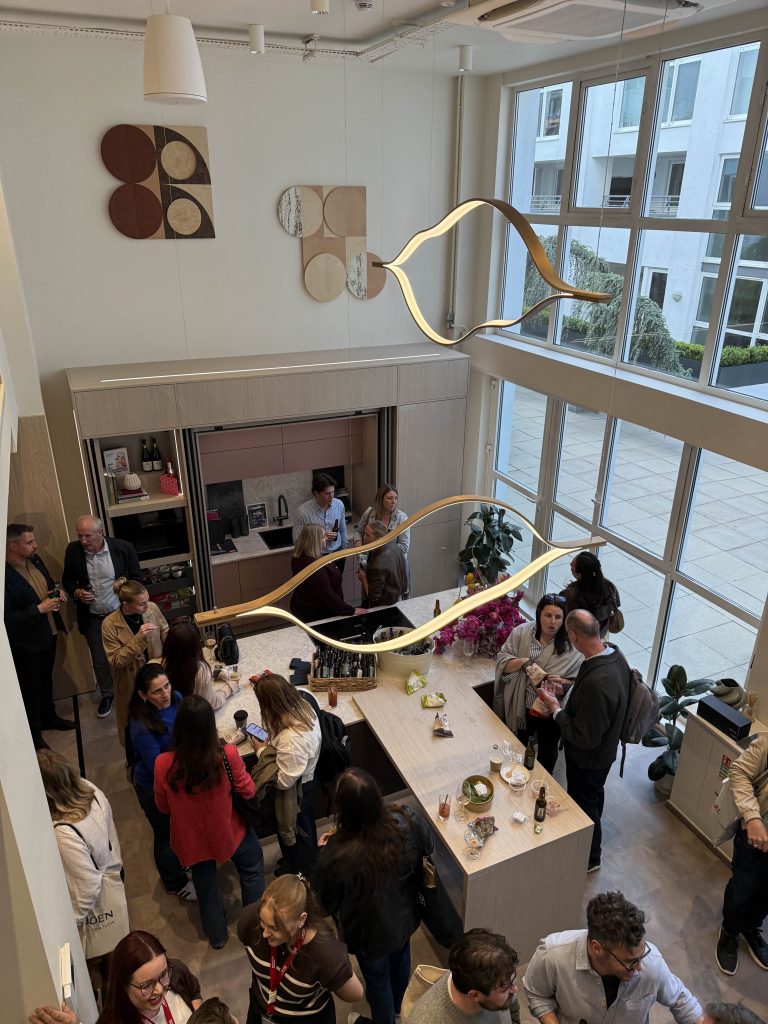
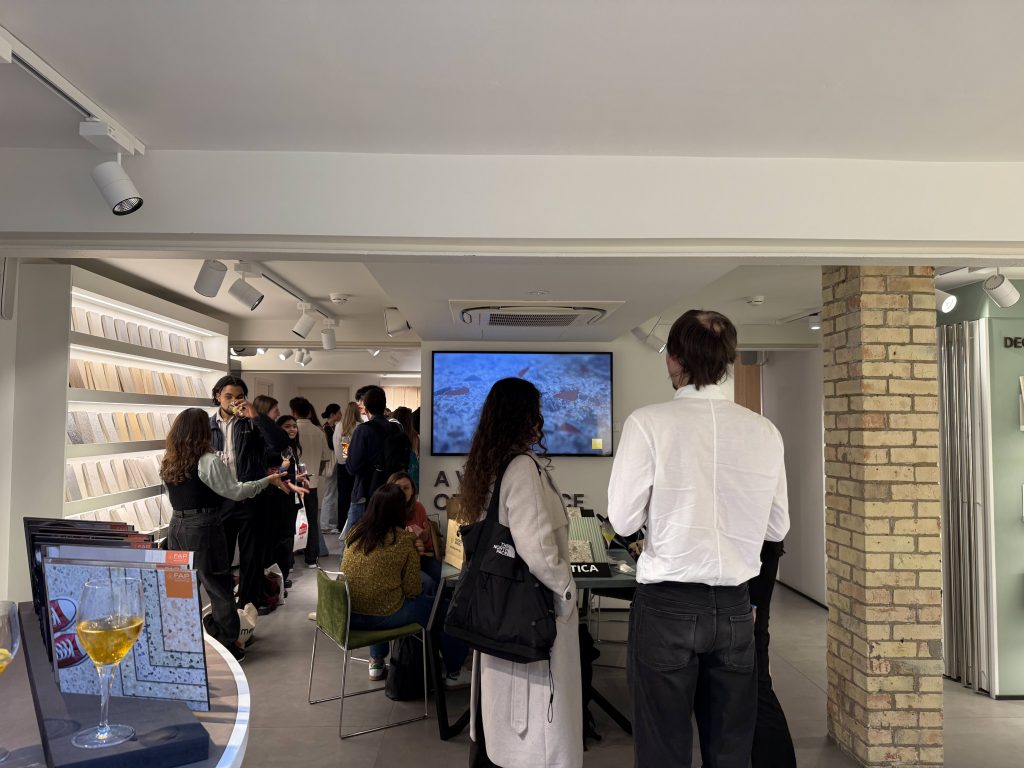
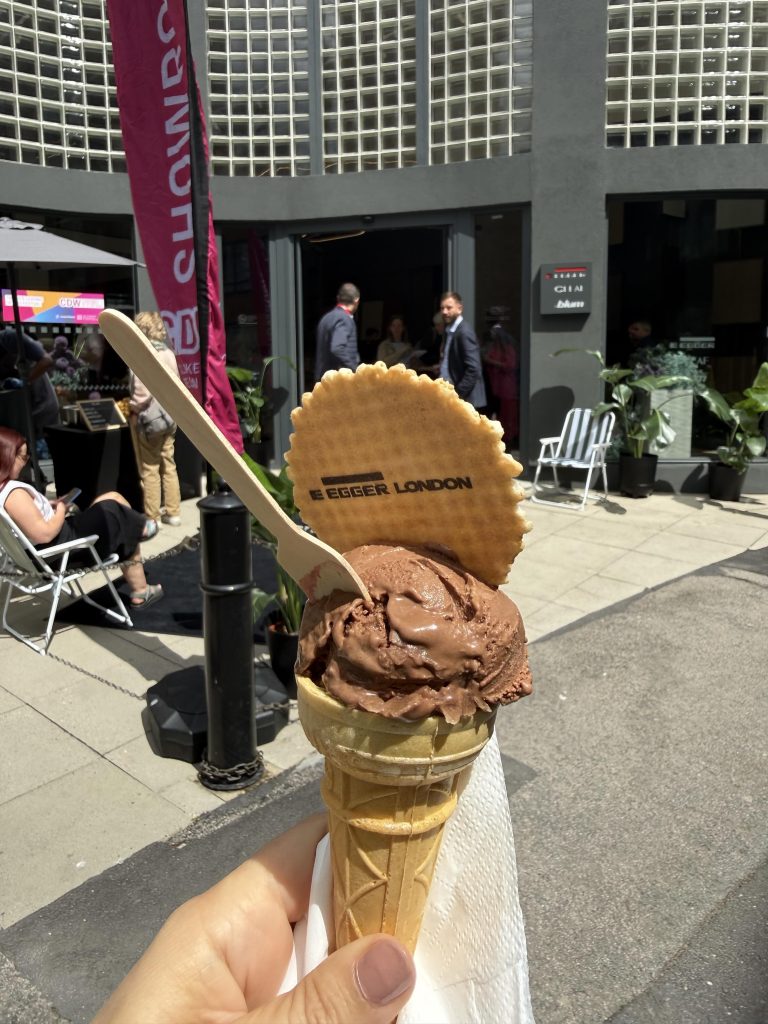
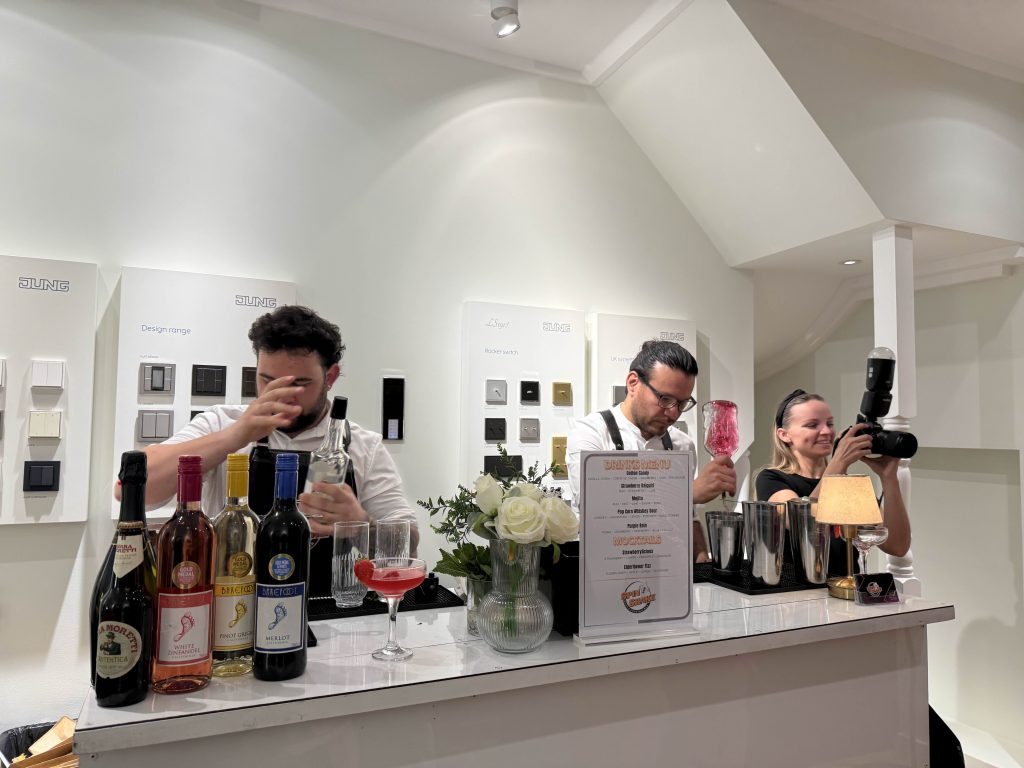
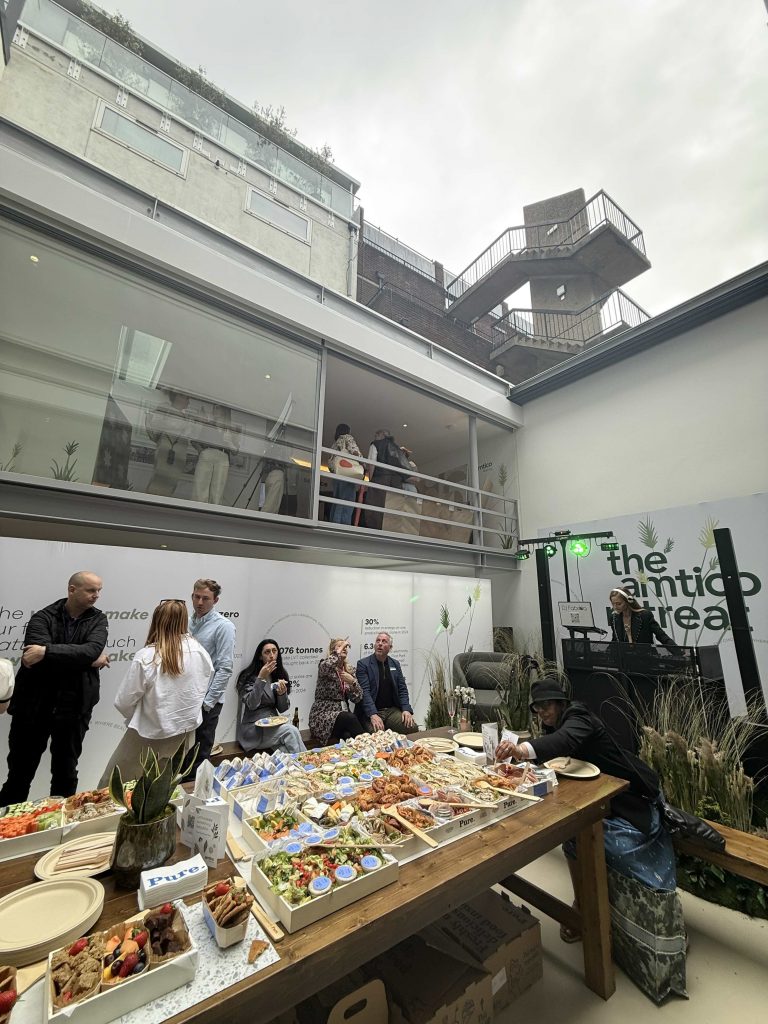
Those evenings are what make Clerkenwell Design Week so much more than a trade event. They capture the generosity, openness and sense of community that define the design industry, reminding us that some of the best ideas are shared not in conference rooms, but over good food, good music and great company. Those evenings are what make Clerkenwell Design Week so much more than a trade event. They capture the generosity, openness and sense of community that define the design industry, reminding us that some of the best ideas are shared not in conference rooms, but over good food, good music and great company.
